
Crowdsourced air quality data lets you participate in pollution tracking, providing real-time info that supplements official sources. It offers localized insights and helps communities raise awareness and influence policies. But, challenges like sensor accuracy, data verification, and privacy concerns can affect trustworthiness. Ensuring proper calibration and privacy safeguards makes the data more reliable. If you keep exploring, you’ll discover ways to navigate these opportunities and overcome the obstacles effectively.
Key Takeaways
- Crowdsourcing enhances localized air quality monitoring, empowering communities and filling gaps beyond official stations.
- Sensor accuracy varies, requiring calibration and verification to ensure reliable data for decision-making.
- Data privacy concerns arise from location and activity sharing, necessitating encryption and anonymization measures.
- Combining multiple data sources and proper calibration improves trustworthiness and reduces false pollution readings.
- Ethical use of crowdsourced data supports public health initiatives while safeguarding against misuse or surveillance.

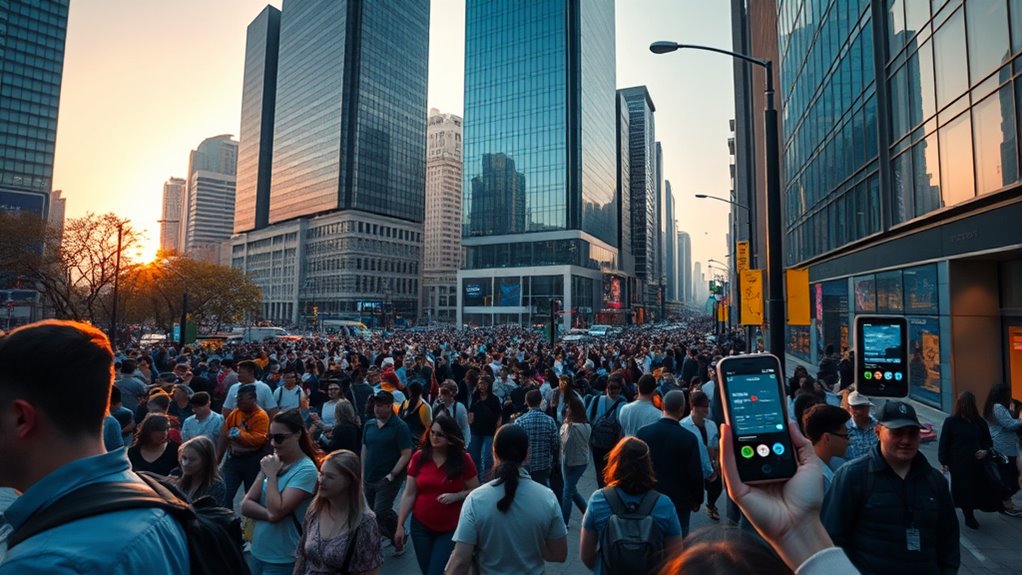
In recent years, crowdsourcing has transformed how we monitor air quality by enabling everyday people to contribute real-time pollution data. This shift empowers communities to gather localized information that was previously difficult to obtain through traditional monitoring stations. But as you participate in these initiatives, it’s essential to consider two critical factors: sensor accuracy and data privacy. Understanding these elements helps you appreciate both the potential and the limitations of crowdsourced air quality data.
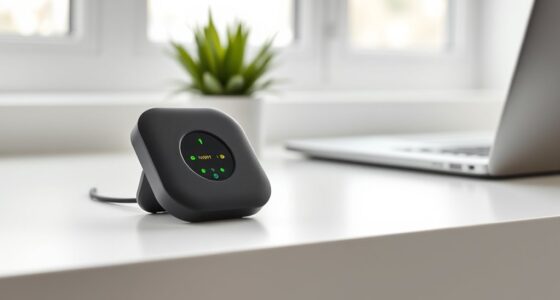
Sensor accuracy is a major concern because the devices used by volunteers vary widely in quality and precision. Many affordable sensors are designed for consumer use and might not measure pollutants as reliably as government-grade equipment. When you contribute data from these sensors, the accuracy can fluctuate based on calibration, maintenance, and environmental conditions. This variability can affect the overall quality of the data collected, potentially leading to misinterpretations or misguided policy decisions. As a user, you should be aware that while crowdsourced data offers valuable insights, it often requires verification and calibration to guarantee its reliability. Combining data from multiple sources and cross-checking with official monitoring stations can help mitigate inaccuracies. Additionally, understanding sensor calibration practices can significantly improve the trustworthiness of your contributions.
Data privacy is another crucial issue you need to keep in mind. When you upload pollution data, it often includes information about your location and activity, which could be sensitive if not properly protected. Responsible platforms implement encryption and anonymization techniques to safeguard your privacy, but there’s always a risk of data misuse or breaches. You should review the privacy policies of the apps and services you use, ensuring that your personal information isn’t unnecessarily exposed. Protecting your privacy encourages continued participation and helps build trust in crowdsourced initiatives.
Furthermore, you should be aware of how your data might be used. Some platforms aggregate data to create publicly accessible maps or reports, which can be incredibly useful for raising awareness and informing local policies. However, there’s also the potential for data to be used commercially or for surveillance purposes if privacy safeguards aren’t robust. Being vigilant about what you share and understanding the terms of service can help you make informed decisions about participating.
Ultimately, your involvement in crowdsourced air quality monitoring offers powerful opportunities to influence public health and environmental policy. Still, it hinges on the integrity of sensor data and respect for your privacy. By choosing reliable platforms and being conscious of the information you share, you can contribute meaningfully while protecting yourself. Recognizing these challenges ensures that your participation remains a positive force for community-driven change and cleaner air.
Frequently Asked Questions
How Accurate Are Crowdsourced Air Quality Measurements Compared to Official Data?
Crowdsourced air quality measurements can be quite accurate if you guarantee proper sensor calibration and thorough data validation. While they might not match official data perfectly, regular calibration helps maintain accuracy, and validation processes filter out unreliable readings. By actively managing these factors, you can trust crowdsourced data as a valuable supplement for monitoring air quality, especially in areas lacking extensive official monitoring networks.
What Privacy Concerns Are Associated With Crowdsourcing Air Quality Data?
You might worry about privacy concerns with crowdsourcing air quality data because your personal data, like location, could be exposed. Sharing this info raises data security issues, as hackers or unauthorized users could access sensitive details. To safeguard yourself, verify the platform encrypts data and follows strict privacy policies. Being cautious about what you share helps prevent misuse of your personal data and maintains your privacy while contributing to air quality monitoring.
How Can Data Quality Be Maintained Across Diverse User Devices?
Ever wondered how to guarantee reliable data from diverse devices? You can maintain quality by implementing regular sensor calibration and standardizing data collection protocols. Addressing device diversity, you should develop adaptive algorithms that account for different sensor types and hardware variations. This proactive approach helps minimize discrepancies, ensuring consistent, accurate air quality measurements across all user devices, so your data remains trustworthy regardless of the device used.
What Incentives Motivate Public Participation in Air Quality Monitoring?
You’re motivated to participate in air quality monitoring through community engagement and gamification strategies. These methods make involvement fun and rewarding, encouraging you to contribute regularly. When you see your efforts help improve local conditions, you feel a sense of purpose and ownership. Incentives like badges, leaderboards, or community recognition boost your motivation, making it more likely you’ll stay committed to providing valuable data for cleaner air.
How Is Crowdsourced Data Integrated With Existing Official Air Quality Networks?
You integrate crowdsourced data with official air quality networks by first ensuring sensor calibration and data standardization. This process aligns the different data sources, making the information comparable and reliable. You then use algorithms and validation protocols to merge the datasets, addressing discrepancies. This integration enhances the overall monitoring system, providing more exhaustive coverage and real-time insights into air quality, ultimately supporting better public health decisions.
Conclusion
As you embrace crowdsourced air quality data, remember it’s a double-edged sword—like a beacon shining light into hidden corners of pollution, yet sometimes casting shadows of doubt. While it offers incredible opportunities to empower communities and improve health, it also demands vigilance against inaccuracies. By steering through these waters wisely, you can transform a mosaic of individual efforts into a powerful shield protecting your environment. Together, you hold the key to a clearer, healthier future.

In the dynamic world of air purifiers and clean air advocacy, Aire stands out as a beacon of knowledge and passion. As the Editor in Chief of Aero Guardians, Aire has been instrumental in shaping the platform’s voice and direction, ensuring that every piece of content resonates with clarity, authority, and authenticity.