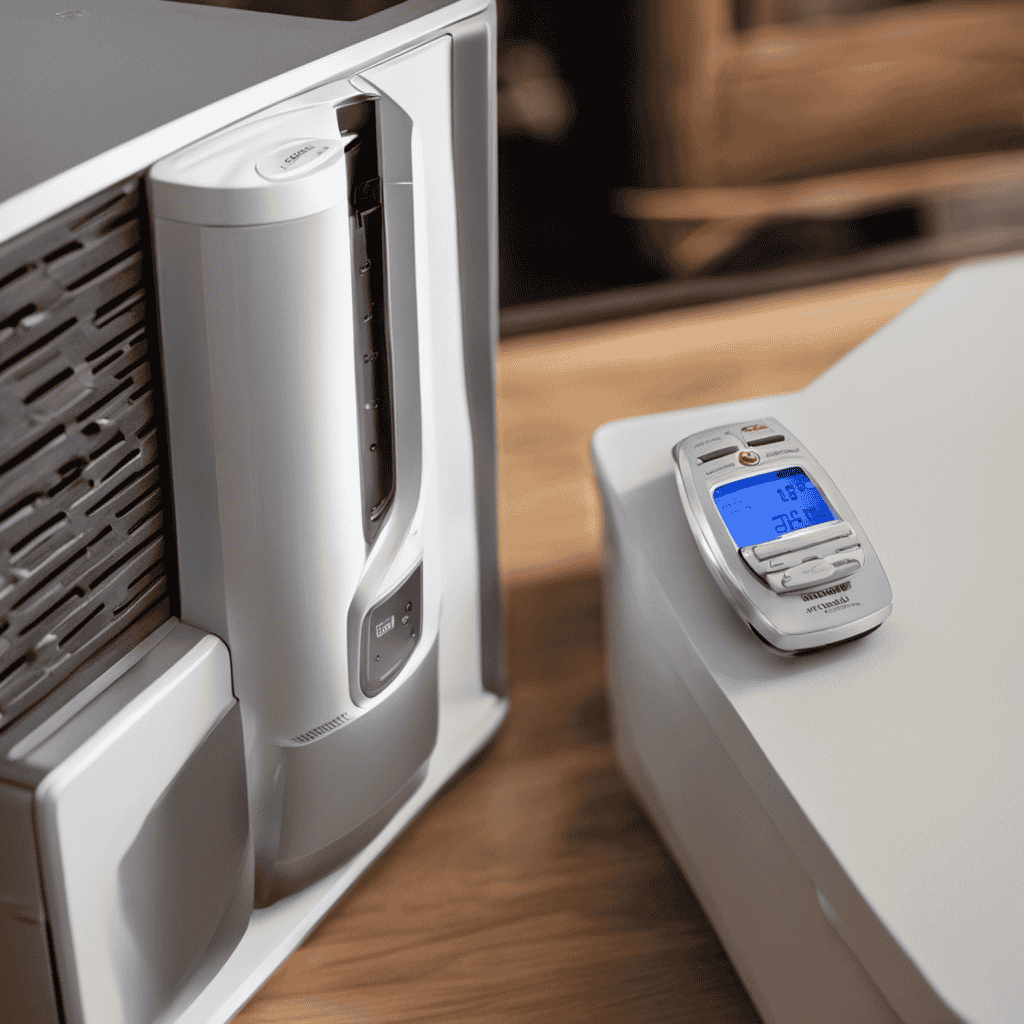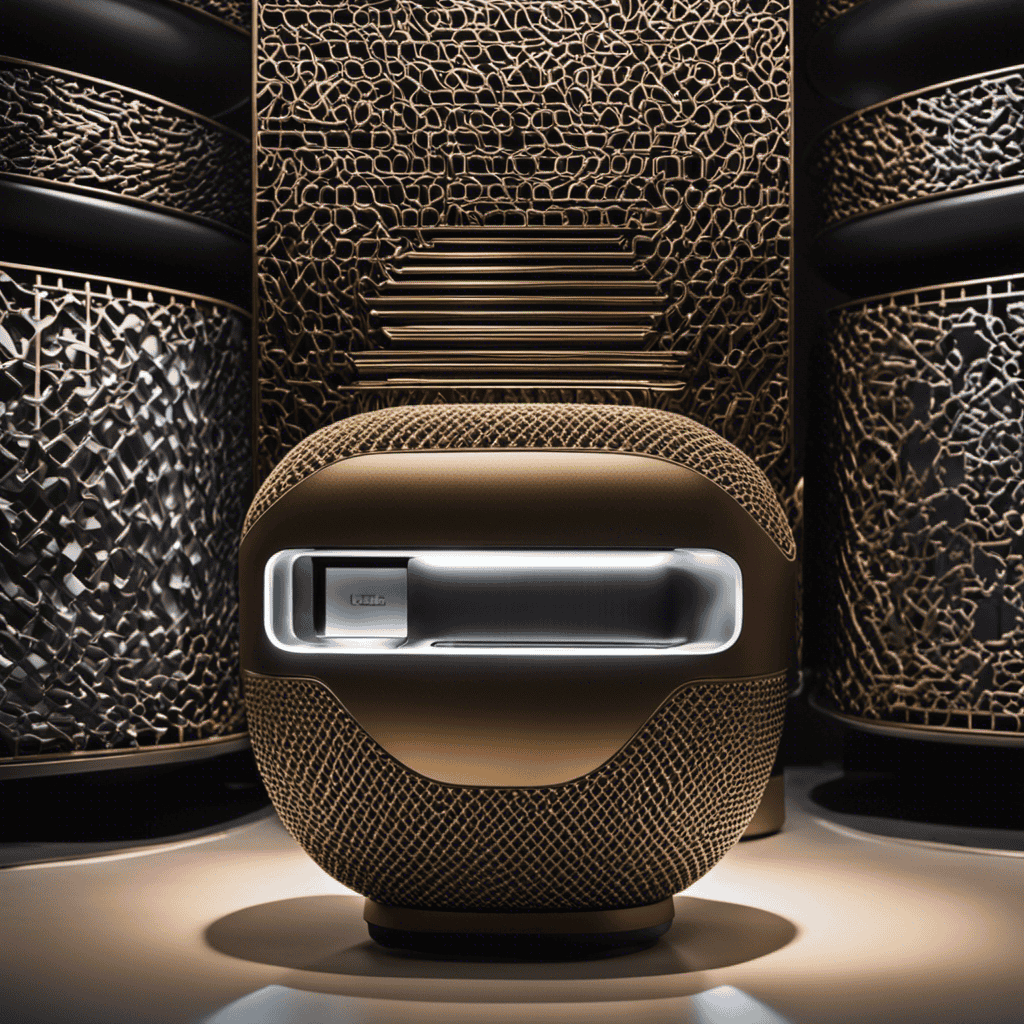
Building your own air purifier is a smart, budget-friendly way to improve indoor air quality. You can start with simple designs like Corsi-Rosenthal boxes, which combine filters and fans for effective cleaning. Beyond that, you can customize units to fit your space and needs, using different materials and setups. Proper sealing and maintenance assure they work well. Keep exploring; you’ll discover even more ways to create powerful DIY air purifiers.
Key Takeaways
- Corsi-Rosenthal boxes are simple, effective DIY air purifiers made by stacking filters and attaching a fan for enhanced airflow.
- Using high-quality, genuine HEPA filters ensures maximum filtration efficiency and effective removal of airborne particles.
- Proper sealing and secure installation of filters prevent leaks, optimizing the purifier’s performance.
- Supplementing DIY units with ventilation strategies like cross-ventilation improves overall indoor air quality.
- Regular maintenance and timely filter replacements maintain the effectiveness and longevity of your DIY air purifier.
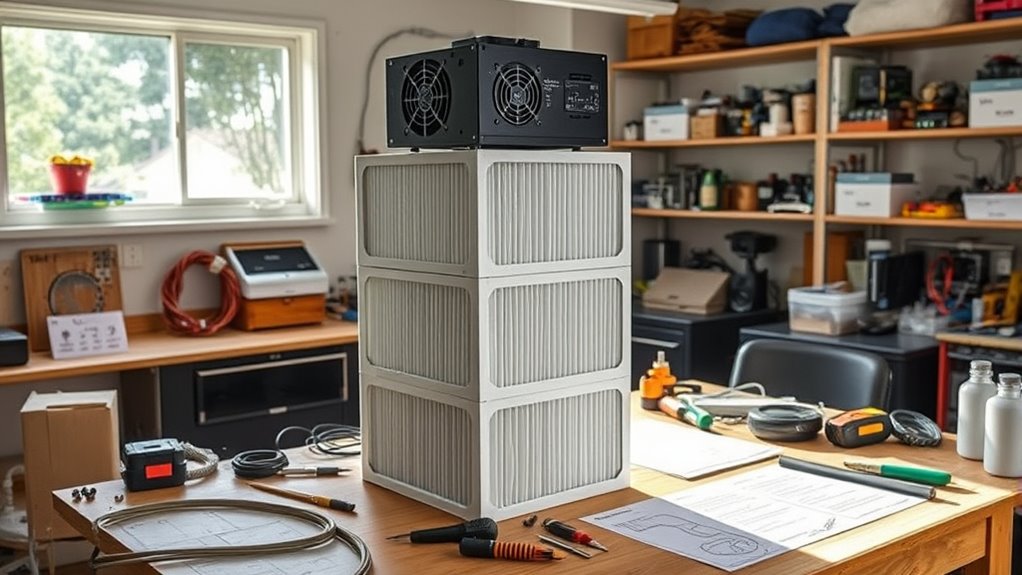
Creating your own air purifier is a cost-effective way to improve indoor air quality without relying on expensive commercial units. When you build your own, you gain control over the materials and design, ensuring it suits your space and needs. One of the key components in DIY air purifiers is the HEPA filter, known for its high effectiveness in capturing tiny airborne particles like allergens, dust, and even some viruses. Ensuring HEPA filter effectiveness is vital because it directly impacts how well your homemade purifier cleans the air. You’ll want to select a genuine HEPA filter that meets industry standards and fits your chosen frame. Proper sealing around the filter is essential to prevent unfiltered air from bypassing it. This way, your DIY device maximizes filtration efficiency and keeps harmful particles out of your indoor environment.
Beyond just installing filters, you should also consider DIY ventilation strategies to boost your purifier’s performance. Ventilation isn’t just about filtering air but also about exchanging stale indoor air with fresh outdoor air. Incorporating simple DIY ventilation strategies, such as opening windows or creating cross-ventilation paths, can notably improve air quality. Combining these approaches with your homemade purifier ensures a continuous flow of cleaner air. For instance, placing your Corsi-Rosenthal box near a window or doorway can help draw in fresh air while filtering indoor pollutants. Additionally, using fans strategically can direct airflow to optimize air exchange and filtration. These strategies are inexpensive and adaptable, allowing you to tailor your ventilation setup based on your space and environmental conditions.
Building a Corsi-Rosenthal box or similar DIY units is straightforward, and the process offers a satisfying way to actively improve your indoor environment. You don’t need advanced technical skills—just some basic tools, a few materials, and a little patience. As you assemble your air purifier, keep in mind that the effectiveness depends on good airflow and proper filter installation. The fans should be powerful enough to circulate air through the filters efficiently, and the filters should be securely fitted to prevent leaks. Regular maintenance, like replacing filters when they get dirty, will keep your DIY air purifier functioning at peak performance.
Frequently Asked Questions
Can I Customize Corsi-Rosenthal Boxes for Larger Spaces?
Yes, you can customize Corsi-Rosenthal boxes for larger spaces by adjusting size adaptations. You might add more filters, create a larger frame, or combine multiple units to increase airflow and filtration capacity. Customization options include using different box shapes or materials to suit your space. Just guarantee that the fan’s airflow matches the increased size so it effectively circulates and purifies the air in your bigger area.
What Are the Best Filter Types for DIY Air Purifiers?
You’re aiming for the best filter types for your DIY air purifier, so go for HEPA filters and activated carbon. HEPA filters trap tiny particles and allergens, providing powerful purification. Activated carbon absorbs odors and gases, boosting air quality. Combining these filters enhances your purifier’s performance, ensuring cleaner, fresher air. Use HEPA for particulate removal and activated carbon for odor control—together, they create an effective, efficient filtration system for any space.
How Often Should I Replace the Filters in My DIY Unit?
You should replace your DIY air filter every 3 to 6 months, depending on usage and filter type. Keep an eye on the filter’s lifespan and check for visible dirt or reduced airflow, which signal it’s time for a change. Regular replacement frequency guarantees your unit works efficiently and maintains good air quality. If you notice increased dust or allergy symptoms, consider replacing filters sooner.
Are There Safety Concerns With Homemade Air Purifiers?
Safety spills when setting up your homemade air purifier, so stay cautious. You should prioritize electrical safety by ensuring your unit is unplugged during assembly and filter handling. Be careful with electrical connections, avoid overloading outlets, and handle filters gently to prevent damage or dust release. If you notice any exposed wiring or burning smells, stop immediately. Taking these precautions keeps your DIY project safe, secure, and effective.
Can DIY Purifiers Effectively Remove All Airborne Viruses?
DIY purifiers can substantially reduce airborne viruses through viral filtration, but they might not remove all viruses completely. They improve air circulation, which helps lower viral concentration in a room. However, their effectiveness depends on proper design, filter quality, and placement. For complete protection, consider combining DIY purifiers with other measures like ventilation and mask-wearing, as no homemade device guarantees complete virus removal.
Conclusion
Think of building your own air purifier like crafting a superhero shield—simple materials, but powerful protection. With each DIY build, you’re creating a barrier against airborne pollutants, turning your space into a safe haven. Just as a shield defends, your homemade purifier shields your health. So, pick your design, assemble with care, and breathe easier knowing you’ve crafted your own line of defense. Your homemade shield is ready—step into cleaner air today.

In the dynamic world of air purifiers and clean air advocacy, Aire stands out as a beacon of knowledge and passion. As the Editor in Chief of Aero Guardians, Aire has been instrumental in shaping the platform’s voice and direction, ensuring that every piece of content resonates with clarity, authority, and authenticity.