When designing multi-stage purifiers for specific pollutants, focus on selecting filters that target your main concerns, like adding a pre-filter for dust or a HEPA filter for allergens. Incorporate activated carbon to tackle gases and odors, and consider advanced stages like ionization for bacteria or chemical pollutants. Combining these layers creates a tailored solution for cleaner air. To understand how to customize your purifier precisely, keep exploring the options available.
Key Takeaways
- Identify primary indoor pollutants (e.g., allergens, gases, bacteria) to determine suitable filtration stages.
- Select specific filters like HEPA, activated carbon, or specialized stages based on targeted contaminants.
- Customize multi-stage systems by combining filters that address both particulate matter and gaseous pollutants.
- Incorporate advanced technologies such as ionization or photocatalytic oxidation for chemical and biological neutralization.
- Design adaptable systems allowing upgrades or modifications tailored to evolving indoor air quality concerns.

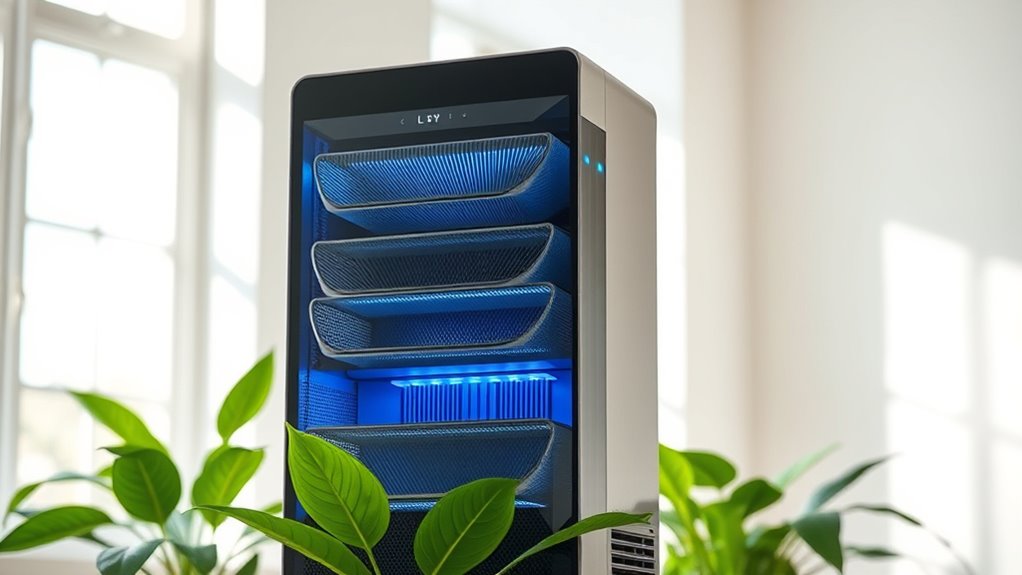
Multi-stage purifiers are highly effective devices that improve air quality by using multiple filtering steps to remove a wide range of contaminants. When you choose a purifier designed with multiple stages, you leverage advanced air filtration and purification technology that targets specific pollutants more effectively than single-filter systems. Each stage is purpose-built to address particular contaminants, ensuring cleaner, healthier air in your environment.
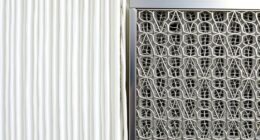
The first stage typically involves a pre-filter that captures larger particles like dust, pet hair, and lint. This step extends the life of subsequent filters and reduces strain on the entire system. By removing these hefty particles early on, you prevent clogging and maintain ideal airflow. Next, many purifiers incorporate a HEPA (High Efficiency Particulate Air) filter, an essential component for trapping tiny particles such as pollen, mold spores, and airborne bacteria. HEPA filters are renowned for their ability to capture 99.97% of particles as small as 0.3 microns, making them ideal for allergy sufferers and those concerned about airborne pathogens.
Beyond particulate removal, some multi-stage purifiers include activated carbon filters. These filters excel at adsorbing gases, odors, and volatile organic compounds (VOCs), which are common indoor pollutants from cleaning products, paints, or cooking. If you’re sensitive to smells or want to eliminate chemical fumes, this stage is vital. For more advanced air purification, certain devices incorporate ionization or photocatalytic oxidation stages. These technologies generate ions or reactive species that neutralize airborne chemical pollutants and bacteria, providing an extra layer of protection. The combination of these stages ensures that the purifier isn’t just trapping particles but actively neutralizing harmful contaminants.
Designing a purifier for specific pollutants involves selecting the right combination of these filtering stages. If your main concern is allergens, you might prioritize a HEPA filter with a dedicated pre-filter. For chemical sensitivities, including an activated carbon or specialized chemical filter becomes essential. Some models even allow you to customize or upgrade stages based on your needs, making your air purification system adaptable over time.
In addition, choosing a multi-stage purifier that is compatible with industrial-grade filters can enhance its ability to handle more challenging pollutants. In essence, multi-stage purifiers use layered air filtration and purification technology to target different pollutants at each step, resulting in cleaner, safer indoor air. By understanding the specific pollutants you want to remove, you can choose a device that combines the appropriate filtering stages for maximum efficiency. This tailored approach ensures you’re not just filtering air but actively improving its quality, creating a healthier living or working space.
Frequently Asked Questions
How Do Multi-Stage Purifiers Adapt to Changing Air Quality Levels?
You see your multi-stage purifier adapt through dynamic airflow adjustments triggered by pollutant detection sensors. When air quality worsens, the system increases filtration speed and activates specific stages targeting pollutants like dust or VOCs. As air improves, it automatically reduces airflow and switches to less intensive stages, ensuring best purification while conserving energy. This real-time responsiveness keeps your indoor air consistently clean and healthy.
What Are the Maintenance Requirements for Multi-Stage Purification Systems?
You need to regularly check and replace filters according to the manufacturer’s schedule to keep your multi-stage purifier effective. Additionally, perform system calibration as recommended to guarantee peak performance. Keep an eye on indicator lights or alerts for filter changes and calibration needs. Regular maintenance like this helps your purifier efficiently remove pollutants and prolongs its lifespan, ensuring cleaner air in your space.
Can Multi-Stage Purifiers Target Specific Industrial Pollutants Effectively?
Think of multi-stage purifiers like a skilled detective, zeroing in on industrial emissions with precision. You can target specific pollutants effectively by combining chemical filtration and other tailored stages. This setup filters out harmful chemicals, gases, and particulates, ensuring cleaner air. With proper design, these purifiers adapt to industrial needs, providing focused removal of pollutants, and improving air quality in environments with complex emissions.
How Do Energy Consumption and Efficiency Vary Among Different Multi-Stage Designs?
You’ll find that energy efficiency varies across different multi-stage purifier designs because each design variation emphasizes different filtration processes. Some models optimize energy use by incorporating energy-efficient components, while others may consume more due to complex stages. By choosing a design tailored to your pollutant removal needs, you can improve energy efficiency and reduce operational costs, making your purifier more effective and sustainable over time.
Are Multi-Stage Purifiers Suitable for Use in Small Residential Spaces?
Yes, multi-stage purifiers are suitable for small residential spaces because they typically feature a compact design that fits easily into tight areas. You’ll appreciate their quiet operation, as they maintain low noise levels, making them ideal for bedrooms or living rooms. Their multi-stage filtration guarantees effective pollutant removal without taking up much space, providing clean air efficiently while blending seamlessly into your home environment.
Conclusion
By choosing a multi-stage purifier tailored to specific pollutants, you not only improve your air quality but also notice how your environment feels fresher and healthier. It’s a coincidence, really—when you address pollutants at each stage, you breathe easier without even realizing it. So, invest in the right purifier, and watch how your space transforms unexpectedly into a cleaner, more comfortable sanctuary. Sometimes, the best solutions happen when you least expect them.

In the dynamic world of air purifiers and clean air advocacy, Aire stands out as a beacon of knowledge and passion. As the Editor in Chief of Aero Guardians, Aire has been instrumental in shaping the platform’s voice and direction, ensuring that every piece of content resonates with clarity, authority, and authenticity.