
Air purifiers aren’t just for people with allergies. They improve indoor air quality by filtering dust, pet dander, smoke, mold spores, bacteria, and viruses, making your home healthier and more comfortable for everyone. Even if you don’t have allergies, an air purifier can help reduce respiratory issues, odors, and airborne bacteria. If you want to discover how they can enhance your living space and well-being, keep exploring further.
Key Takeaways
- Air purifiers improve indoor air quality for everyone by removing dust, smoke, mold, and bacteria, not just for allergy sufferers.
- They help reduce respiratory issues and enhance overall health, benefiting even those without allergies.
- Air purifiers eliminate odors and airborne bacteria, creating a cleaner, fresher environment for all occupants.
- They support better sleep and comfort in indoor spaces, regardless of allergy status.
- Cost and maintenance considerations make air purifiers a valuable health tool for various household needs.

Have you ever wondered if an air purifier is worth it for your home? If you’re trying to decide whether to invest in one, it’s helpful to understand how they can improve air quality and whether the benefits justify the cost. Air purifiers are often associated with allergy relief, but they offer advantages beyond helping allergy sufferers. When considering whether to purchase one, you should perform a cost benefit analysis that weighs the tangible improvements in air quality against the expense involved.
Air quality improvements are one of the primary reasons people turn to air purifiers. These devices work by filtering out airborne pollutants such as dust, pet dander, smoke, mold spores, and even some bacteria and viruses. Even if you don’t have allergies or asthma, you might notice a fresher, cleaner smell in your home, and reduced airborne irritants can lead to fewer respiratory issues overall. If you live in an urban environment or near busy roads, air purifiers can considerably reduce exposure to vehicle emissions and other pollutants. This can make your indoor environment healthier and more comfortable for everyone in your household.
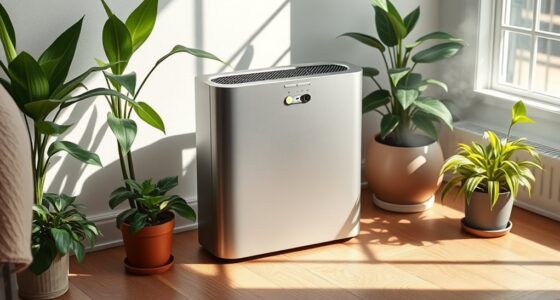
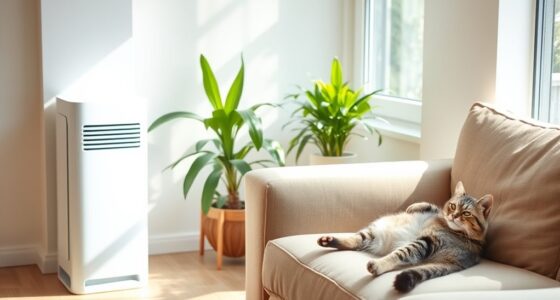
Air purifiers reduce airborne pollutants, improving home air quality and overall respiratory health.
When performing a cost benefit analysis, think about the long-term health and comfort benefits versus the initial investment and ongoing running costs. An air purifier does require an upfront purchase, but the ongoing expenses — such as replacing filters and electricity — are relatively modest. If you or your family members suffer from allergies, asthma, or other respiratory conditions, the benefits may far outweigh the costs. Cleaner air can lead to fewer doctor visits, less medication, and a better quality of life. For those without specific health issues, the advantages still include a more pleasant living space, especially during allergy seasons or in environments with high pollution levels.
Moreover, consider how much value you place on your home environment. If you spend a significant amount of time indoors, particularly in bedrooms, an air purifier can contribute to better sleep and overall well-being. It can also help eliminate odors, mold, and airborne bacteria, making your home not just cleaner but also healthier. Additionally, understanding how air purification systems work can help you choose the most effective device for your needs. When you analyze the costs and benefits, think beyond just dollar amounts; factor in health, comfort, and peace of mind.
Ultimately, whether an air purifier is worth it depends on your specific situation. For some, it’s a crucial health tool; for others, it’s a way to elevate home comfort. By evaluating the air quality improvements you’ll see and balancing that with the costs, you can make an informed decision that aligns with your needs and lifestyle.

MOOKA Air Purifiers for Home Large Room up to 1076ft², H13 True HEPA Air Filter Cleaner, Odor Eliminator, Remove Smoke Dust Pollen Pet Dander, Night Light, B-D02L White
MOOKA B-D02L AIR PURIFIER FOR LARGE ROOM: With the high-efficiency filtration system, the air purifier covers an area…
As an affiliate, we earn on qualifying purchases.
As an affiliate, we earn on qualifying purchases.
Frequently Asked Questions
Can Air Purifiers Help Reduce COVID-19 Transmission?
Yes, air purifiers can help reduce COVID-19 transmission. They target airborne viruses, including the virus responsible for COVID-19, by filtering out tiny particles from indoor air. Improving indoor air quality with a HEPA filter can markedly decrease your risk of inhaling contaminated aerosols. While they aren’t a substitute for masks or social distancing, using air purifiers can be a valuable layer of protection in your home or workspace.
Do Air Purifiers Consume a Lot of Electricity?
Air purifiers generally don’t consume a lot of electricity, especially models with high efficiency ratings. You can choose energy-efficient units that minimize energy consumption while still effectively filtering the air. Keep in mind, larger or more powerful purifiers might use more energy, but overall, they’re designed to be cost-effective. So, if you’re concerned about energy use, look for models with good efficiency ratings and use them wisely to save on electricity.
Are HEPA Filters Safe for Children and Pets?
HEPA filters are safe for children and pets, offering effective child and pet protection by capturing airborne allergens, pet dander, and pollutants. HEPA safety is well-established, as these filters do not emit harmful chemicals or ozone. You can confidently use air purifiers with HEPA filters in your home, knowing they help improve indoor air quality for your loved ones without risking their safety.
How Often Should I Replace the Filters?
Think of your air purifier’s filters as the lungs of the device; they need fresh air to keep working. Typically, you should replace filters every 6 to 12 months, depending on usage and air quality. Keep an eye on the filter lifespan and follow the manufacturer’s guidelines for replacement frequency. Regular changes guarantee your purifier runs efficiently, providing clean air and protecting your home environment.
Can Air Purifiers Eliminate Unpleasant Odors Completely?
Air purifiers can considerably help with odor removal and smell elimination, but they might not eliminate unpleasant odors completely, especially stubborn or embedded ones. To maximize effectiveness, choose a purifier with a activated carbon filter, which is designed specifically for odor control. Keep in mind that regular filter replacements are essential for ideal odor removal, and ventilating the space can also enhance overall smell elimination.

Air Purifiers for Home with High Efficiency Filter Up to 1076 Ft² for Pet Hair, Odors, Pollen, Smoke, Compact Air Cleaner with 3 Speeds, Timer, Aroma Quiet 360°Intake Filter, White
Effortless Operation: Simplified control panel with intuitive design makes it easy to operate. No complicated setup—just one tap,…
As an affiliate, we earn on qualifying purchases.
As an affiliate, we earn on qualifying purchases.
Conclusion
Imagine walking into a room where the air feels crisp and invigorating, free from lingering dust and pollutants. You don’t need allergies to enjoy this clean, breathable space—air purifiers help everyone breathe easier. Whether you’re relaxing on the couch or sleeping soundly at night, they create a sanctuary of pure air. So, don’t wait for allergies to strike; invite freshness into your home now and let every breath feel like a refreshing breeze.

KNKA Air Purifier for Home Bedroom Large Room Up to 1,695 Ft² in 1 Hr, HEPA Sleep Mode Air Cleaner with Washable Pre-Filter, AHAM VERIFIDE, AQI Display, Pet Mode for Pets, Dust, Pollen, APH4000
𝐀𝐇𝐀𝐌 𝐕𝐞𝐫𝐢𝐟𝐢𝐞𝐝 & 𝐇𝐢𝐠𝐡 𝐂𝐀𝐃𝐑 𝐕𝐚𝐥𝐮𝐞: Certified by the Association of Home Appliance Manufacturers, this air purifier provides…
As an affiliate, we earn on qualifying purchases.
As an affiliate, we earn on qualifying purchases.
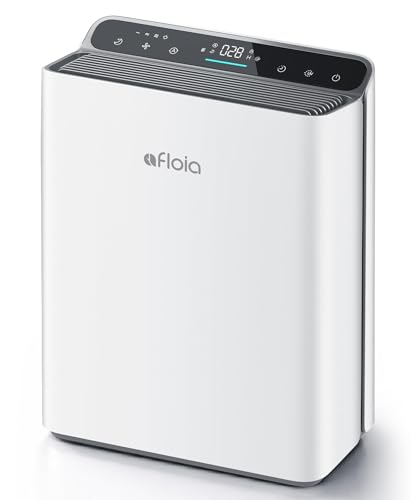
Afloia Air Purifier for Large Rooms Up to 2,000 Sq. Ft. with PM2.5 Display
Faster Air Circulation: With CADR 280/m³, Afloia Europa air purifier filters air 5x per hour in 320 sq…
As an affiliate, we earn on qualifying purchases.
As an affiliate, we earn on qualifying purchases.