
To define safe indoor VOC levels, focus on established safety thresholds set by organizations like OSHA and EPA, which specify maximum limits for various chemicals like formaldehyde and benzene. Maintaining VOC concentrations below these limits helps safeguard your health and air quality. Proper ventilation, regular monitoring, and source control are key strategies to keep levels safe. Continue exploring to learn how to effectively manage indoor VOCs and ensure a healthier living environment.
Key Takeaways
- Safe VOC levels vary by substance; organizations like EPA and OSHA set specific safety thresholds for common indoor VOCs.
- Monitoring indoor VOC concentrations helps ensure they stay below established safety limits.
- Proper ventilation dilutes VOC emissions, reducing indoor concentrations to safe levels.
- Identifying and minimizing VOC sources, such as new furniture or cleaning products, prevents exceeding safe levels.
- Regular testing and source control are essential for maintaining indoor VOCs within recommended safety standards.
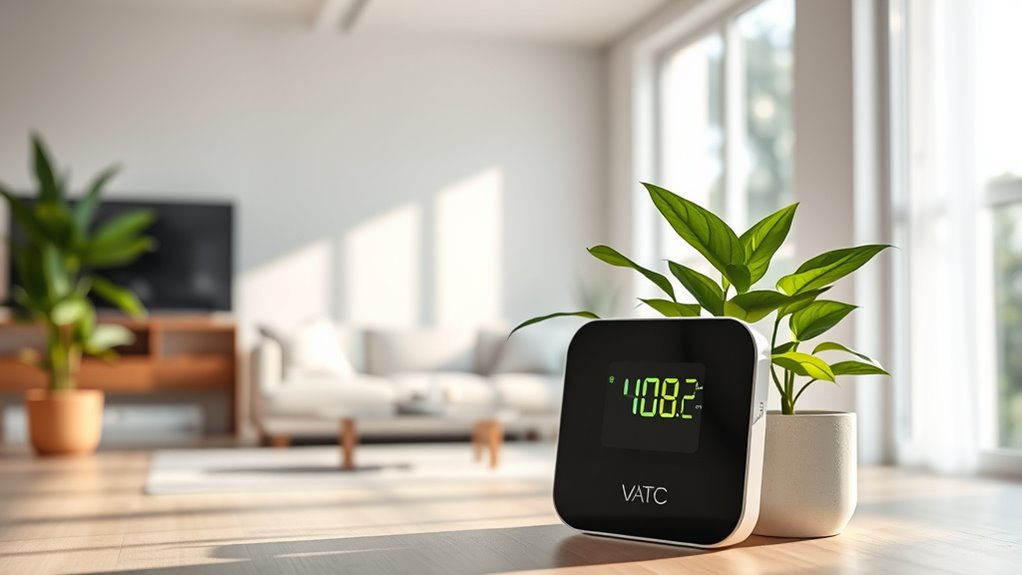
Indoor volatile organic compounds (VOCs) can pose health risks, but understanding safe levels helps you protect your indoor air quality. When it comes to managing VOC levels, knowing how ventilation standards and chemical exposure limits come into play is essential. Ventilation standards are guidelines that specify how much fresh air needs to circulate in your home to dilute indoor pollutants, including VOCs. They ensure that indoor air remains safe and comfortable, especially in spaces where VOC emissions are common, like kitchens, garages, or rooms with new furniture. Proper ventilation helps prevent the buildup of harmful chemicals, reducing potential health problems like headaches, respiratory issues, or more serious long-term effects. Recent advances in AI discoveries are making it easier to monitor and manage VOC levels more accurately. Chemical exposure limits are established thresholds that indicate the maximum concentration of a substance, like VOCs, considered safe for human exposure over a specific period. These limits are set by organizations such as the Occupational Safety and Health Administration (OSHA) or the Environmental Protection Agency (EPA). Knowing these limits helps you evaluate whether your indoor air quality is within safe bounds or if actions are needed to reduce VOC levels. For example, formaldehyde, a common indoor VOC, has specific exposure limits; if measurements exceed these, it’s time to increase ventilation or seek sources of the emission. Monitoring VOC levels using air quality tests can tell you whether your indoor environment stays within these safe limits. Understanding how ventilation standards and chemical exposure limits intersect empowers you to take control of your indoor air quality. If your home’s ventilation doesn’t meet recommended standards, VOC concentrations can rise, increasing health risks. Improving airflow—by opening windows, using exhaust fans, or upgrading your HVAC system—can considerably lower VOC levels. It’s also important to identify and minimize sources of VOCs, such as new furniture, paints, or cleaning products, especially in poorly ventilated spaces. Regularly checking air quality levels with sensors or professional testing helps ensure that your VOC levels stay below the established safety thresholds, giving you peace of mind. Ultimately, maintaining indoor VOCs at safe levels involves a combination of proper ventilation aligned with standards and staying within chemical exposure limits. This proactive approach protects you and your family from the adverse effects of chemical exposure and creates a healthier, safer indoor environment. By staying informed about the standards and limits, you can make smarter choices about ventilation, source control, and overall indoor air quality management, ensuring your home remains a safe haven from harmful VOCs.

Amazon Smart Air Quality Monitor – Know your air, Works with Alexa
- Real-time air quality monitoring: Tracks PM 2.5, VOCs, CO, humidity, temperature
- Easy-to-understand indicators: Color-coded LED and air quality score in app
As an affiliate, we earn on qualifying purchases.
As an affiliate, we earn on qualifying purchases.
Frequently Asked Questions
How Do VOC Levels Vary With Different Building Materials?
You’ll notice that VOC levels change depending on building material emissions and VOC sources. Some materials, like new paint, carpets, and pressed wood, release higher VOCs initially, then decrease over time. Other sources, such as cleaning products or adhesives, can also spike VOC levels. Being aware of these building material emissions helps you manage indoor air quality better, ensuring healthier indoor environments by selecting low-emission materials and ventilating well.
What Long-Term Health Effects Are Linked to Low-Level VOC Exposure?
You might not notice it, but low-level VOC exposure can cause chronic health issues and neurological impacts over time. Studies show that even minimal, prolonged exposure increases the risk of headaches, fatigue, and memory problems. Long-term, it can lead to more serious conditions like neurodegenerative diseases. Staying aware of VOC sources in your environment and improving ventilation helps protect your health from these silent, lingering effects.
How Can Ventilation Systems Effectively Reduce Indoor VOC Concentrations?
You can improve indoor air quality by ensuring your ventilation system promotes air exchange regularly, bringing in fresh air and removing VOCs. Using systems with high filtration efficiency helps trap airborne VOCs before they circulate. Regularly maintaining and upgrading filters, increasing ventilation rates, and using air purifiers with activated carbon can further reduce VOC concentrations, creating a healthier indoor environment for you and your family.
Are There Specific Vulnerable Populations More Affected by VOCS?
Every cloud has a silver lining, but VOCs can cast a shadow on vulnerable groups. Children’s sensitivity makes them more prone to respiratory issues, and the elderly often face increased vulnerability due to weaker immune systems. You should be especially cautious around these populations, ensuring good ventilation and reducing VOC sources. Their health risks are higher, so taking extra steps helps protect their well-being in indoor environments.
What Are the Best Practices for Measuring Indoor VOC Levels Accurately?
To measure indoor VOC levels accurately, you should focus on VOC sampling methods like passive badges or active sorbent tubes, which capture air samples effectively. Then, use precise analytical techniques such as gas chromatography-mass spectrometry (GC-MS) to analyze the samples. This combination guarantees you get reliable data, helping you assess indoor air quality and identify VOC sources, ultimately protecting vulnerable populations from exposure.
Conclusion
Now that you know the safe levels of indoor VOCs, aren’t you motivated to improve your home’s air quality? Regularly ventilate, choose low-VOC products, and keep your space well-maintained. After all, isn’t your health worth a little extra effort? Creating a safer environment isn’t complicated—just smart. So, why not take action today to guarantee your home remains a healthy haven for you and your loved ones?