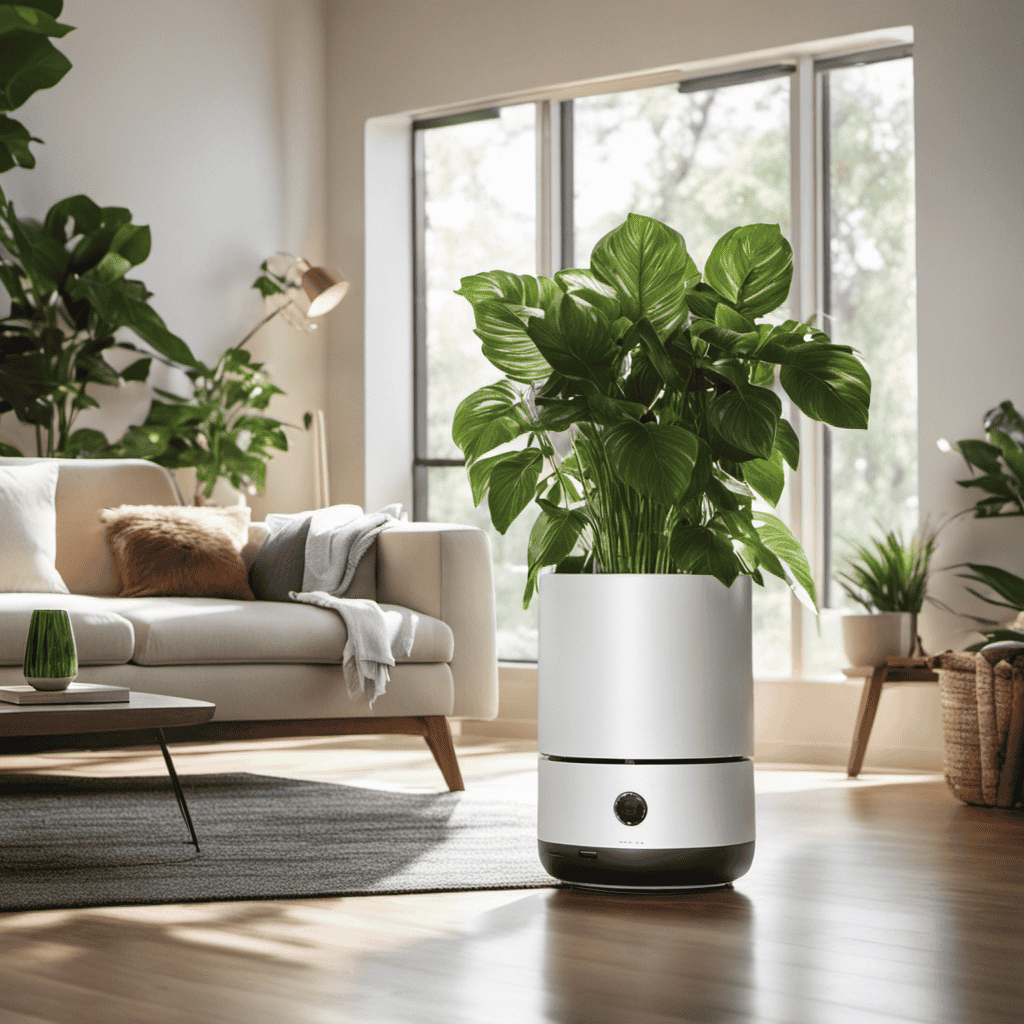
Nano-photocatalytic filters actively break down VOCs by using embedded nanoparticles, like titanium dioxide, that get activated by light. When exposed to UV or visible light, these particles produce reactive species that decompose harmful pollutants into harmless byproducts such as CO₂ and water. This process doesn’t just trap VOCs; it destroys them, ensuring cleaner air and water. If you continue exploring, you’ll discover how these advanced filters offer long-lasting, effective purification solutions.

Get garden gear delivered free — and shop member deals
- Fast, free delivery on millions of items
- Access to Prime Big Deal Days deals on October 6–7
- Prime Video, Amazon Music and more included
Key Takeaways
- Nano-photocatalytic filters use light-activated nanoparticles to break down VOC molecules into harmless CO₂ and water.
- They generate reactive oxygen species that actively decompose complex pollutants, rather than just trapping them.
- These filters are durable, resistant to environmental factors, and maintain long-term catalytic activity.
- Proper maintenance ensures consistent performance in contaminant removal and extends filter lifespan.
- They offer an advanced, reliable solution for improving indoor air and water quality by actively degrading harmful VOCs.

Have you ever wondered how advanced filtration systems can actively clean the air and water around us? Nano-photocatalytic filters are at the forefront of this technological revolution, especially when it comes to breaking down volatile organic compounds (VOCs). These filters harness photocatalytic mechanisms that use light energy to initiate chemical reactions, effectively transforming harmful VOCs into harmless substances like carbon dioxide and water. Unlike traditional filters that merely trap pollutants, nano-photocatalytic filters actively degrade contaminants, providing a cleaner, healthier environment.
Nano-photocatalytic filters actively break down VOCs, transforming harmful pollutants into harmless substances for cleaner air and water.
The core of their effectiveness lies in the photocatalytic mechanisms. When exposed to light—usually ultraviolet or visible—they activate nanoparticles, such as titanium dioxide, embedded within the filter. These activated particles generate reactive oxygen species, including hydroxyl radicals and superoxide ions, which react with VOC molecules. This process rapidly breaks down complex organic compounds into less harmful byproducts, considerably reducing indoor air pollution. The efficiency of these mechanisms depends heavily on the quality of the photocatalytic material and the intensity of the light source, making the design and placement of such filters vital for maximum performance.
But what about the durability of these filters? Filter durability is essential if you want a reliable, long-lasting solution. Nano-photocatalytic filters are engineered to withstand continuous operation, resisting degradation over time. Their structural integrity ensures that the photocatalytic nanoparticles remain firmly embedded within the filter matrix, preventing leaching or loss of catalytic activity. This durability means you won’t need to replace them frequently, and they can maintain high performance even after prolonged exposure to pollutants and light cycles. Proper maintenance and periodic cleaning also help extend their lifespan, guaranteeing they continue to perform at peak levels.
In addition to their active pollutant breakdown capabilities, these filters are designed with longevity in mind. Advances in nanomaterials and coating technologies contribute to their filter durability, making them resistant to environmental factors like humidity, temperature fluctuations, and mechanical stress. This resilience guarantees consistent VOC removal over extended periods, providing peace of mind and lowering the operational costs associated with frequent replacements. Furthermore, their ability to self-regenerate under light exposure means they can sustain their photocatalytic activity without the need for chemical regenerants or complex maintenance routines.
Ultimately, nano-photocatalytic filters represent a noteworthy step forward in air and water purification. By combining efficient photocatalytic mechanisms with durable construction, they actively and reliably break down VOCs, making your indoor environment safer and healthier. Their innovative design ensures that they not only perform well today but will continue to do so in the long run, offering an effective solution for those seeking cleaner air and water through cutting-edge technology.
nano-photocatalytic air purifier filters
As an affiliate, we earn on qualifying purchases.
As an affiliate, we earn on qualifying purchases.
Frequently Asked Questions
How Long Do Nano-Photocatalytic Filters Typically Last?
Nano-photocatalytic filters typically last around 6 to 12 months, depending on usage and air quality. You’ll want to monitor their durability lifespan and replace them when they start losing effectiveness. Regular replacement frequency guarantees peak VOC breakdown and air purification. Keep an eye on any decrease in performance or visible buildup, and plan to swap out your filters accordingly to maintain clean, healthy indoor air.
Are Nano-Photocatalytic Filters Safe for Indoor Air?
Sure, nano-photocatalytic filters seem like tiny superheroes, but don’t worry—most are safe for indoor air. You might imagine dangerous chemicals lurking, but these filters are designed with chemical safety in mind, reducing VOCs without harmful byproducts. While health implications are minimal when used properly, it’s wise to guarantee proper ventilation and manufacturer guidelines to keep your indoor air truly safe and clean.
Can These Filters Remove All Types of VOCS?
Nano-photocatalytic filters can’t remove all types of VOCs because of VOCs diversity and filter limitations. They work well on many common VOCs, breaking them down into harmless substances, but some stubborn or low-reactivity VOCs may remain. You should combine these filters with good ventilation and other air purification methods to effectively reduce overall VOC levels, especially in spaces with diverse chemical emissions.
How Energy-Efficient Are Nano-Photocatalytic Filtration Systems?
Think of nano-photocatalytic filters as energy-efficient warriors; they consume relatively low energy while effectively breaking down VOCs. You’ll find that their energy consumption is minimal, making them cost-efficient over time. This balance of power and performance means you save on electricity bills without sacrificing air quality. So, yes, these systems are designed to be both powerful and energy-efficient, helping you maintain a healthier environment without hefty costs.
What Maintenance Is Required for Optimal Performance?
To keep your nano-photocatalytic filters working *effectively*, you should regularly clean the filters to remove dust and debris that can block UV light and reduce efficiency. Follow the recommended replacement schedule provided by the manufacturer to *guarantee* consistent VOC breakdown. Periodic maintenance also includes inspecting for damage and replacing filters as needed, which helps maintain air quality and prolongs the system’s lifespan.
Conclusion
Nano-photocatalytic filters turn pollution into clean air, offering hope for healthier indoor environments. But don’t forget, while they break down VOCs effortlessly, they’re just one piece of the puzzle. True air quality improvement requires ongoing effort and awareness. Think of these filters as your frontline defense—powerful yet incomplete. Embrace their potential, but stay committed to other clean air practices, because in the fight against VOCs, every small step counts.
Fall Picks
fall essentials
As an affiliate, we earn on qualifying purchases.