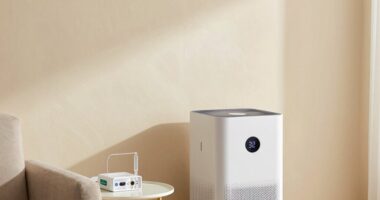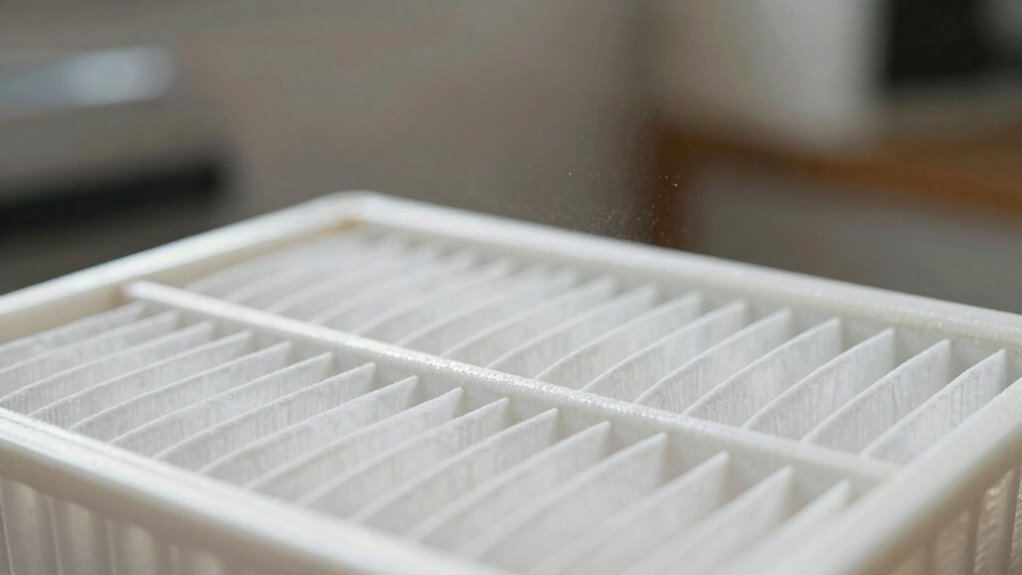

Even if your filter looks clean, microscopic particles like dust, pollen, and pet dander can embed deep within its fibers, reducing its effectiveness. Visual inspection isn’t reliable because the filter can appear spotless while still allowing high levels of pollutants to pass through. Over time, debris buildup diminishes filtration capacity, causing PM levels to stay elevated. To truly improve air quality, you need to understand the importance of proper timing and sensor data—so, keep going to learn more.

Get garden gear delivered free — and shop member deals
- Fast, free delivery on millions of items
- Access to Prime Big Deal Days deals on October 6–7
- Prime Video, Amazon Music and more included
Key Takeaways
- Visual cleanliness doesn’t reflect the filter’s actual particle-trapping capacity, which can be exhausted despite a clean appearance.
- Dust and microscopic particles embed deep within filter fibers, making it look clean while still allowing PM to pass through.
- Filter effectiveness declines over time, so appearance alone isn’t a reliable indicator of its ability to reduce PM levels.
- Air quality sensors provide real-time data showing PM levels, which can stay high even when the filter looks clean.
- Regularly replacing filters based on schedule and sensor data ensures optimal filtration, preventing PM buildup despite a clean look.
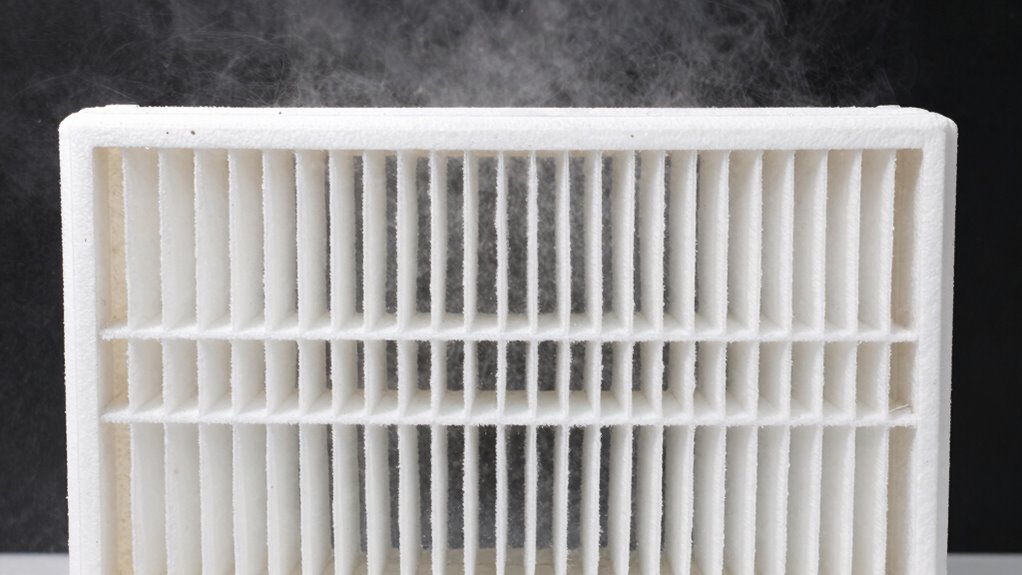
Even when your air filter looks clean, particulate matter (PM) levels can still remain alarmingly high. This happens because visual inspection alone isn’t enough to gauge a filter’s effectiveness. Dust, pollen, pet dander, and other microscopic particles can accumulate deep within the filter fibers, reducing airflow and trapping less debris over time. As a result, the filter may appear spotless, but its ability to improve air quality diminishes. To truly assess whether your filter is doing its job, you need to rely on tools like air quality sensors. These devices measure real-time PM levels, giving you a clear picture of your indoor air quality. If PM levels stay elevated despite a seemingly clean filter, it indicates that the filter’s capacity to trap airborne particles has degraded, or that it’s simply overdue for replacement.
Understanding your filter replacement schedule is key to maintaining healthy indoor air. Manufacturers recommend changing filters at regular intervals—typically every 30 to 90 days—depending on your household’s specific conditions. For example, homes with pets, smokers, or high pollution levels may require more frequent changes. Following a strict schedule ensures your filter isn’t just visually clean, but also functioning at its best. Ignoring this can lead to stagnant, polluted air circulating through your space, regardless of how new your filter looks. Even if it’s still white and seemingly pristine, the filter may have reached its capacity to trap particles effectively. Relying on the filter’s appearance alone is a mistake; instead, combine routine replacement with data from air quality sensors to stay ahead of indoor pollution. Additionally, filter performance can decline rapidly if not maintained properly, emphasizing the importance of regular checks.
air quality sensor for indoor air
As an affiliate, we earn on qualifying purchases.
As an affiliate, we earn on qualifying purchases.
Frequently Asked Questions
Can a New Filter Still Have High Particulate Matter?
Yes, a new filter can still have high particulate matter. Even with a fresh filter, particulate buildup from dust, pollen, or other pollutants can quickly clog it, reducing its effectiveness. Over time, the filter’s lifespan shortens as particles accumulate. You might think it’s clean because it looks new, but unseen buildup can cause high PM levels, so regular checks and replacements are essential to keep indoor air quality high.
How Often Should Filters Be Replaced for Optimal Performance?
You should replace your filter according to the recommended filter lifespan and replacement schedule, typically every 3 to 6 months. Regularly check your filter for dirt and dust buildup, especially if you notice higher particulate matter (PM) levels. Don’t wait until the filter looks dirty—timely replacements guarantee peak air quality and system efficiency, preventing PM from staying high despite a seemingly clean filter.
Do Different Filter Types Affect PM Levels Differently?
Different filter types dramatically affect PM levels because filter material determines how well particles are captured and airflow restriction is minimized. High-efficiency filters trap tiny particles more effectively, reducing PM, while cheaper filters can look clean but let particles slip through. You should choose filters based on their material and permeability to guarantee proper airflow and effective particle removal, so your indoor air stays fresh and safe.
Can Environmental Factors Influence Filter Efficiency?
Environmental factors can definitely influence your filter’s efficiency. Airflow restrictions from clutter or poor ventilation can reduce airflow, making filters less effective at trapping particles. Additionally, chemical contaminants like fumes or vapors can clog filters or degrade their material, lowering their ability to capture PM. You need to maintain good airflow and minimize chemical exposure for your filter to work best and keep PM levels low.
Are There Signs Other Than Visible Dirt Indicating Filter Need?
Think your filter’s fine because it looks clean? Think again. Other signs like increased allergy symptoms, persistent odors, or reduced airflow indicate your filter needs maintenance. You can’t judge air quality just by appearance; particles invisible to the eye can still clog your filter. Regular check-ups and timely replacements help maintain good air quality and ensure your filter truly does its job. Don’t wait for visible dirt—trust your senses and airflow!
Conclusion
Even if your filter looks clean, don’t be fooled—hidden pollutants can still cling on like stubborn shadows. Regularly check not just the filter’s appearance, but also the airflow and particulate levels. Think of your filter as a shield; if it’s compromised, dust and PM will find their way in no matter how spotless it looks. Stay vigilant and keep your environment truly clean, because appearances can be deceiving, like a mask hiding the real story.
Halloween Picks
halloween
As an affiliate, we earn on qualifying purchases.