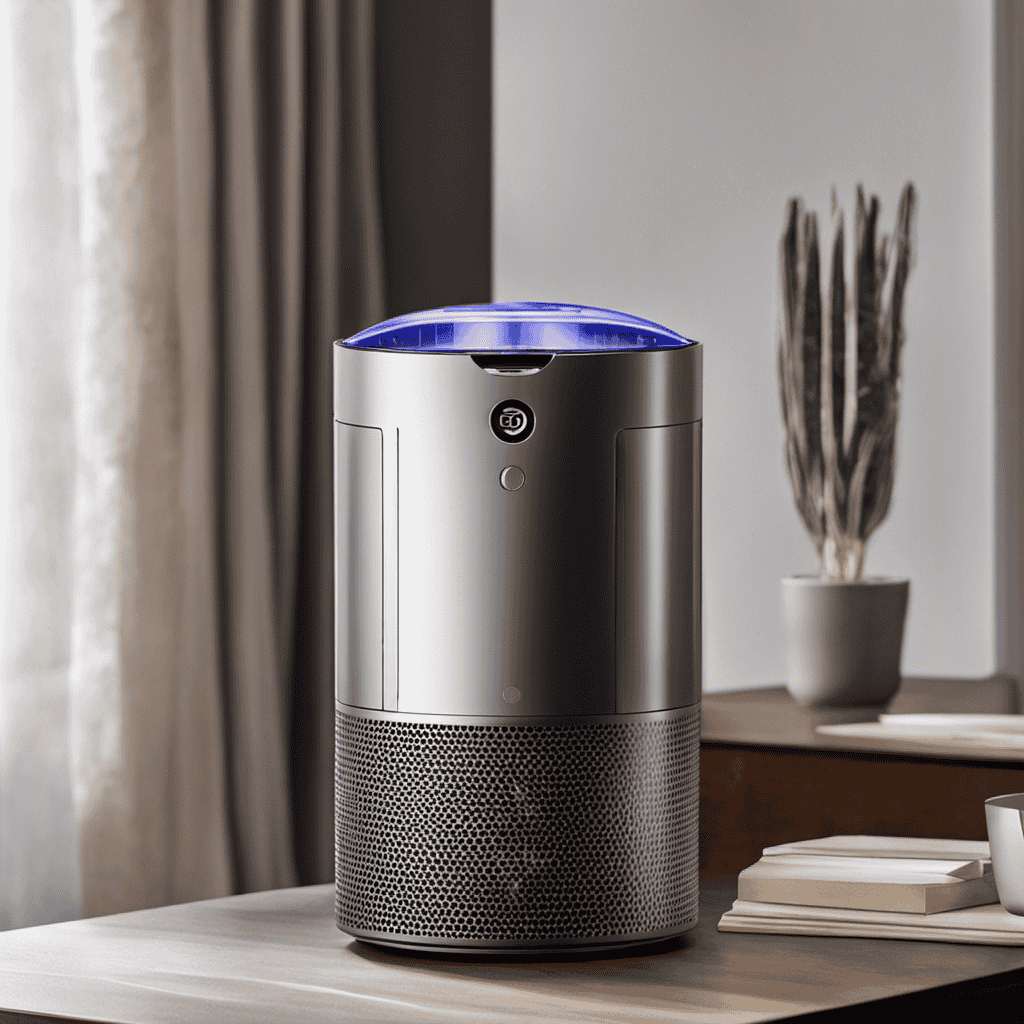
To address allergens from dust mites and cockroaches, keep your environment clean and dry. Wash bedding and curtains in hot water regularly, and use allergen-proof covers on mattresses and pillows. Reduce humidity below 50% with dehumidifiers and air conditioning to prevent mite growth. Regularly vacuum with a HEPA filter, eliminate clutter, and seal cracks to block cockroach entry. Consistent sanitation and pest control efforts make a big difference—continue exploring effective ways to create an allergen-free home.
Key Takeaways
- Regularly wash bedding, curtains, and upholstery in hot water (at least 130°F) to eliminate dust mites and their allergens.
- Use allergen-proof mattress and pillow covers to create a barrier against mite penetration.
- Maintain indoor humidity below 50% with dehumidifiers and air conditioning to discourage dust mite growth.
- Keep kitchens and living areas clean by wiping surfaces, storing food in airtight containers, and sealing entry points to prevent cockroach infestations.
- Utilize bait traps, professional pest control, and thorough sanitation to reduce cockroach populations and associated allergens.

Allergens can pose serious health risks, especially if you’re unaware of their presence in your environment. Dust mites and cockroaches are common culprits that trigger allergy symptoms, asthma, and other respiratory issues. The good news is that you can take proactive steps to reduce your exposure by focusing on mite prevention and implementing effective pest control strategies. Understanding where these allergens thrive and how to control them is key to creating a healthier living space. Dust mites are microscopic creatures that flourish in warm, humid environments, particularly in bedding, upholstery, and carpets. To prevent mite buildup, you should regularly wash your bedding, pillowcases, and curtains in hot water—ideally at least 130°F—to kill mites and remove allergens. Using allergen-proof mattress and pillow covers creates a barrier that prevents mites from penetrating your bedding. Keep indoor humidity levels below 50%, which discourages mite proliferation; a dehumidifier or air conditioner can help maintain ideal moisture levels. Regular vacuuming with a high-efficiency particulate air (HEPA) filter vacuum cleaner is essential for mite prevention, especially in carpets and upholstered furniture. Don’t forget to vacuum beneath furniture and in hard-to-reach areas where dust mites tend to accumulate. Maintaining proper air filtration and ventilation can further help reduce airborne allergens. When it comes to pest control strategies for cockroaches, the focus shifts to eliminating these pests from your environment altogether. Cockroaches are attracted to food residue, water, and clutter, so maintaining cleanliness is your first line of defense. Wipe down countertops, sweep floors regularly, and store food in airtight containers to reduce attractants. Seal cracks and crevices around pipes, baseboards, and entry points to prevent cockroaches from infiltrating your home. Consider using bait stations or gel traps in areas where cockroaches are active; these are effective and less toxic than sprays. If the infestation persists, professional pest control services can target hidden nests and provide long-term solutions. Remember, consistent maintenance and sanitation are essential to pest control strategies aimed at reducing cockroach populations and, consequently, allergen levels.
Frequently Asked Questions
Are There Natural Remedies for Dust Mite Allergies?
Yes, you can try herbal remedies like butterbur or stinging nettle to reduce allergy symptoms. Dietary adjustments, such as eating anti-inflammatory foods like fruits, vegetables, and omega-3 rich fish, may help strengthen your immune system. Regularly washing bedding and maintaining low humidity levels also minimize dust mite presence. These natural approaches can compliment your allergy management plan and may provide relief without harsh medications.
How Effective Are Air Purifiers Against Dust Mite Allergens?
Air purifiers are quite capable of combating dust mite allergens, markedly reducing airborne particles. They enhance allergen reduction techniques by trapping microscopic mites and their waste, creating cleaner, healthier air. While they aren’t a cure-all, using an air purifier alongside regular cleaning can substantially diminish dust mite allergens. This simple, swift solution supports your allergy management efforts, making your space safer and more comfortable to breathe.
Can Pet Ownership Influence Cockroach Allergen Levels?
Pet ownership can influence cockroach allergen levels, especially if you have pet allergies. Pets may carry dirt and food crumbs that attract cockroaches, increasing their presence and allergens. To improve cockroach control, keep your home clean, store food securely, and fix leaks. Regularly vacuum and wash pet bedding to reduce allergens. Being proactive helps minimize cockroach allergens and allergen triggers for you and your pets.
Do All Types of Cockroaches Produce the Same Allergens?
Did you know over 30 cockroach species are linked to allergies? Not all cockroach species produce the same allergens; allergen variation varies considerably among them. For example, German cockroaches produce potent allergens that trigger asthma, while American cockroaches may produce different, less intense allergens. Understanding which species are present helps you address specific allergen risks effectively, so identifying the cockroach species in your home is vital for managing allergies.
Are There Specific Laundry Practices to Reduce Dust Mite Allergens?
You can reduce dust mite allergens by using special laundry practices. Wash your bedding and curtains weekly in hot water with effective laundry detergents. Avoid fabric softeners, as they can trap allergens. Consider using allergen-proof covers on pillows and mattresses, and dry items in a hot dryer. These steps help eliminate dust mite allergens, creating a healthier environment and reducing allergy symptoms.
Conclusion
By taking these steps, you’re clearing the path for breathing easier, much like opening a window to let fresh air flow in. Tackling dust mite and cockroach allergens isn’t just about cleaning; it’s about reclaiming your home as a sanctuary. With consistency and care, you can turn your space into a fortress against triggers. Remember, each small effort is a brick in building a healthier, allergy-free environment—your personal fortress of comfort.