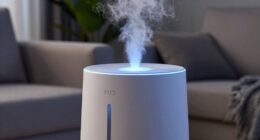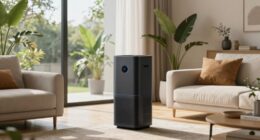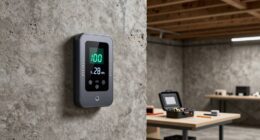
Implementing advanced air purification and real-time monitoring lets you create a healthier, more comfortable environment for your guests. By using technologies like HEPA filters, UV sterilization, and sensors, you can quickly identify and address air quality issues, reducing allergens and airborne pathogens. Guest feedback helps refine these efforts, boosting satisfaction and perception of cleanliness. Focusing on air quality demonstrates your commitment to safety and comfort—keeping guests happier and more likely to return. Learn more about elevating your guest experience here.
Key Takeaways
- Implementing advanced air sensors enables real-time air quality monitoring, ensuring a safe environment for guests.
- Guest feedback surveys help identify air quality issues and refine purification strategies for higher satisfaction.
- Incorporating HEPA filters, UV sterilization, and ionization technologies reduces airborne contaminants and pathogens effectively.
- Visible improvements in air freshness and cleanliness demonstrate a hotel’s commitment to guest health and safety.
- Continuous monitoring and technology integration support a healthier, more comfortable indoor environment, boosting guest experience and loyalty.
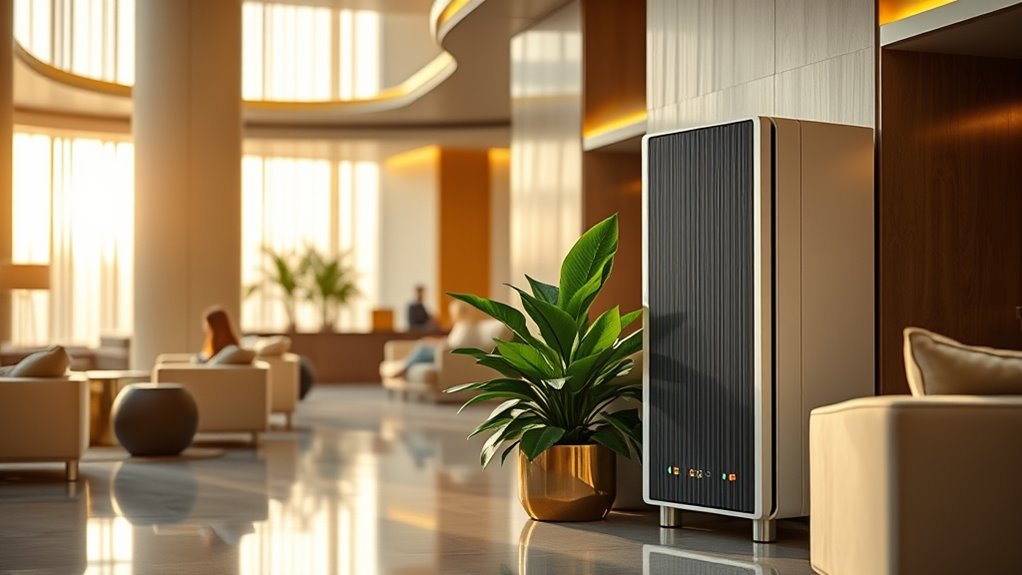
Have you ever wondered how clean the air really is when you check into a hotel? It’s a valid question, especially since air quality can markedly impact your overall experience. As a guest, you might not realize it, but hotels are increasingly focusing on air purification systems to ensure that the environment is as fresh and healthy as possible. One effective way they do this is through air quality monitoring. Hotels now use advanced sensors to constantly assess the air inside their rooms and common areas, tracking pollutants, allergens, humidity levels, and airborne pathogens. This real-time data allows hotel staff to identify issues quickly and take corrective actions, like improving ventilation or replacing filters before these problems affect your stay. The goal is to create a safe, comfortable environment that promotes relaxation and well-being.
Hotels now use real-time air quality sensors to ensure a fresh, healthy environment during your stay.
Moreover, hotels are paying close attention to guest satisfaction surveys, which provide valuable insights into how guests perceive the air quality during their stay. When guests report concerns about stuffiness, odors, or allergies, hotel management promptly investigates and addresses these issues. This feedback loop helps hotels refine their air purification strategies, ensuring they meet or exceed guest expectations. In many cases, properties are investing in HEPA filters, UV sterilization, and ionization devices to reduce airborne contaminants effectively. These measures aren’t just about compliance; they’re about delivering a superior experience that guests remember and appreciate.
By focusing on air quality monitoring and guest feedback, hotels demonstrate their commitment to health and safety, which ultimately boosts guest satisfaction. When guests notice that a hotel emphasizes clean air, it’s often a sign that they prioritize your well-being. You might see visible improvements, like cleaner air and fresher scents, or experience fewer allergy triggers and less respiratory discomfort. This proactive approach not only reduces the risk of illness but also helps create a more inviting atmosphere, encouraging longer stays and repeat visits. Additionally, incorporating air purification technology into their systems can significantly enhance the overall indoor air quality, making the environment healthier for everyone involved.
In essence, your comfort and health are at the heart of these efforts. Hotels recognize that air quality directly impacts your overall impression — from how rested you feel upon waking to how safe you believe the environment is. By continually monitoring air quality and listening to guest feedback through satisfaction surveys, they can maintain high standards. This focus on clean, fresh air is a key part of modern hospitality, ensuring that your stay is not just comfortable but also safe and health-conscious. So next time you check into a hotel, know that behind the scenes, efforts are underway to make sure the air you breathe is as pure and inviting as possible.
Frequently Asked Questions
How Often Should Hotel Air Purifiers Be Maintained?
You should maintain your hotel air purifiers regularly, following the manufacturer’s recommended maintenance schedule. Typically, this means checking filters every 1 to 3 months and replacing them as needed to guarantee peak performance. Regular filter replacement helps keep the air clean and fresh for your guests. Don’t forget to clean the units and inspect for any issues during routine maintenance to prolong their lifespan and uphold high air quality standards.
Do Air Purifiers Reduce Allergens and Pet Odors Effectively?
Yes, air purifiers effectively reduce allergens and eliminate pet odors. They use HEPA filters to capture allergen particles like pollen, dust, and pet dander, helping improve air quality. Additionally, activated carbon filters target pet odors, leaving rooms smelling fresher. Regular maintenance guarantees these purifiers operate at their best, so you should replace filters as recommended. This keeps your guests comfortable and enhances their overall experience by providing cleaner, fresher air.
What Energy Costs Are Associated With Continuous Air Purification?
Imagine your air purifier as a silent guardian, tirelessly working in the background. Continuous operation does increase energy consumption, leading to higher operational costs. You’ll notice this as a steady hum in your energy bills, especially with powerful units running nonstop. To balance costs, consider energy-efficient models or timed operation, so your air stays fresh without draining your budget. This way, you keep your space inviting and your expenses in check.
Are There Eco-Friendly Air Purification Options for Hotels?
Yes, you can choose eco-friendly air purification options for your hotel. Opt for eco-friendly filters like activated carbon or HEPA filters made from sustainable materials. Consider systems that promote sustainable purification, such as UV-C or ionization, which reduce chemical use. These options help lower your environmental impact while maintaining clean, fresh air for your guests, aligning with your sustainability goals and enhancing their overall experience.
How Do Air Purifiers Impact Guest Health and Safety?
Air purifiers markedly boost guest comfort by improving air quality, reducing allergens, and filtering out pollutants. You’ll create a safer environment, minimizing health risks from airborne germs and pollutants. When you prioritize air quality, your guests feel more at ease, leading to higher satisfaction. By actively maintaining clean, purified air, you ensure their safety and comfort, making their stay healthier and more enjoyable.
Conclusion
Imagine stepping into a hotel where every breath feels pure and invigorating, like a gentle breeze on a warm day. With advanced air purification, you create a sanctuary of clean air, where guests can relax and truly unwind. Your commitment to pristine environments transforms their stay into a memorable escape, filled with comfort and peace. When you prioritize air quality, you don’t just enhance experiences—you craft a welcoming haven that guests will cherish long after they leave.