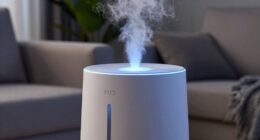
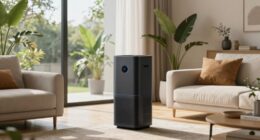
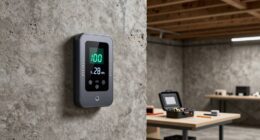
To reduce sneezing and asthma triggers, use an air purifier with a HEPA filter to capture tiny airborne allergens like pollen, pet dander, and mold spores. Encase your mattress and pillows with allergen-proof covers to block dust mites and wash bedding in hot water regularly. Keep your home clean with vacuuming and damp dusting, and maintain humidity below 50%. Implementing these strategies can markedly improve your indoor air quality—continue to explore more ways to make your environment healthier.
Key Takeaways
- Use HEPA air purifiers in high-traffic or allergy-prone rooms to remove airborne allergens like pollen, pet dander, and mold spores.
- Encase mattresses, pillows, and comforters with allergen-proof bedding to block dust mites and reduce nighttime allergy symptoms.
- Maintain indoor humidity below 50% to inhibit mold growth and dust mite proliferation, minimizing allergy triggers.
- Regularly vacuum with HEPA-filter vacuums and dust surfaces with damp cloths to decrease settled allergens.
- Incorporate smart, AI-powered air quality monitors to automatically adjust purification, ensuring optimal allergen removal and symptom reduction.
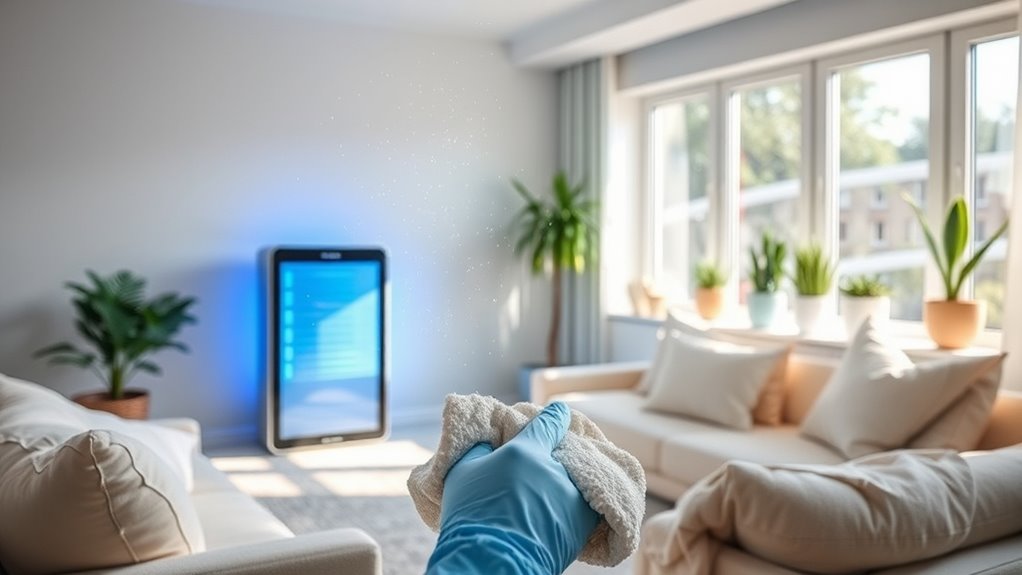
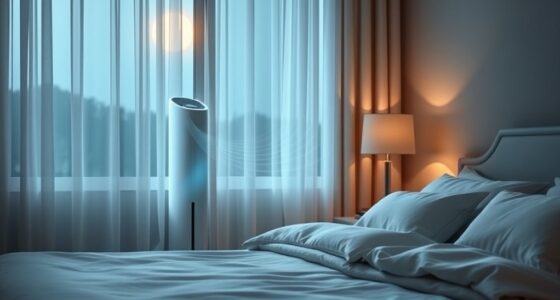
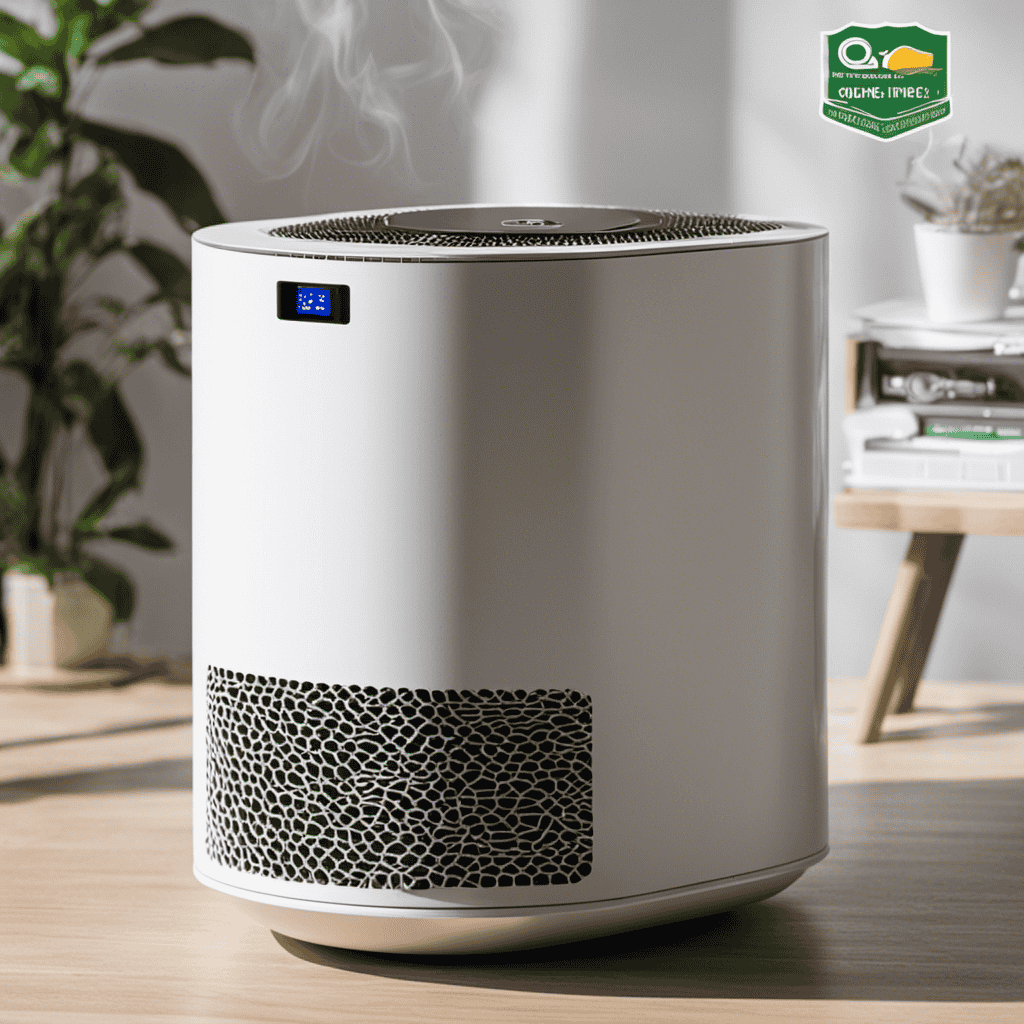
Allergen removal is vital for creating a healthier living environment, especially if you or someone in your household suffers from allergies or asthma. One of the most effective ways to reduce airborne allergens is by using an air purifier. Air purifier benefits go beyond just filtering dust; they actively capture pollen, pet dander, mold spores, and other microscopic irritants that can trigger sneezing, congestion, and asthma attacks. When you run an air purifier consistently, you create cleaner indoor air, which makes breathing easier and helps lessen allergy symptoms. Choose a model with a HEPA filter, as it can trap particles as small as 0.3 microns, providing significant relief from airborne allergens. Keep in mind that placing the air purifier in rooms where you spend the most time, like the bedroom or living room, maximizes its benefits.
In addition to air purifiers, allergen proof bedding plays a fundamental role in allergy management. Your bedding is a major source of dust mites, which are among the most common indoor allergens. By switching to allergen proof bedding—such as encasements for your mattress, pillows, and comforters—you create a barrier that prevents dust mites from establishing themselves and proliferating. This simple change can dramatically decrease allergen levels in your sleep environment, reducing nighttime sneezing, congestion, and coughing. When combined with regular washing of bedding in hot water and maintaining a clean bedroom, allergen proof bedding becomes a powerful tool in your allergy relief arsenal.
You might also consider other strategies alongside these, like regularly vacuuming with a vacuum cleaner equipped with a HEPA filter or dusting surfaces with a damp cloth to prevent allergen dispersal. Maintaining low humidity levels in your home, ideally below 50%, helps inhibit mold growth and dust mite survival, further reducing allergy triggers. Using allergen proof bedding and air purifiers together creates a complete approach, targeting allergens at their source and in the air you breathe. This dual strategy not only minimizes allergy symptoms but also improves overall indoor air quality, making your environment more comfortable and healthier for everyone. Additionally, understanding how AI-powered automation can optimize home environments may further enhance allergy management by integrating smart devices that monitor and control indoor air quality automatically.
Frequently Asked Questions
How Often Should I Replace Air Filters for Optimal Allergen Removal?
You should replace your air filter every 1 to 3 months for proper air filter maintenance. This schedule helps guarantee your system effectively reduces allergens, dust, and other triggers. If you have pets, allergies, or live in a dusty environment, consider replacing filters more frequently. Regularly checking your filter’s condition will help you stay on top of your ideal replacement schedule, maintaining a healthier indoor environment.
Are Natural Remedies Effective for Reducing Allergen Sensitivity?
Natural remedies like herbal remedies and dietary adjustments can help diminish allergen sensitivity, but their effectiveness varies. You might find relief by incorporating anti-inflammatory herbs such as butterbur or quercetin-rich foods into your diet. While these approaches can complement allergy management, they shouldn’t replace prescribed treatments. Always consult a healthcare professional before starting any herbal remedies or significant dietary changes to ensure safety and suitability for your specific allergies.
Can Allergen Removal Improve Overall Indoor Air Quality Beyond Allergy Relief?
You might be surprised how allergen removal can boost your indoor air quality beyond allergy relief. Using an air purifier with high efficiency can markedly improve air clarity, while targeted dust mite elimination reduces common irritants. This dual approach not only minimizes allergy symptoms but also creates a healthier environment. By focusing on air purifier efficiency and dust mite elimination, you actively enhance your home’s overall indoor air quality, making it more comfortable and safer for everyone.
What Are the Best Plants to Naturally Purify Indoor Air?
You should consider indoor air plants like snake plants, pothos, and peace lilies, as they’re natural air purifiers. These plants actively filter toxins and improve indoor air quality, making your space healthier. By adding these natural air purifiers, you boost oxygen levels and reduce airborne pollutants. Keep them well-maintained, and you’ll enjoy fresher, cleaner air every day without relying solely on artificial filters.
Is Professional Allergen Cleaning Necessary for Severe Allergy Sufferers?
If you’re a severe allergy sufferer, professional allergen cleaning isn’t always necessary, but it can be highly beneficial. Regular DIY cleaning with allergen traps helps reduce dust, pet dander, and mold, but a professional service can deep-clean carpets, upholstery, and air ducts more effectively. This extra step guarantees fewer allergens circulate, giving you relief from sneezing and asthma triggers. Consider professional cleaning if DIY methods haven’t sufficiently improved your symptoms.
Conclusion
By actively removing allergens from your home, you’re planting seeds of relief that grow into a healthier environment. Think of your space as a fortress, shielding you from sneezing fits and asthma triggers. Each step you take, from cleaning to air purification, is like adding bricks to this sanctuary. Remember, you hold the key to turning your home into a sanctuary of comfort—where allergens are no longer the unwelcome guests, and your breath flows freely like a gentle breeze.