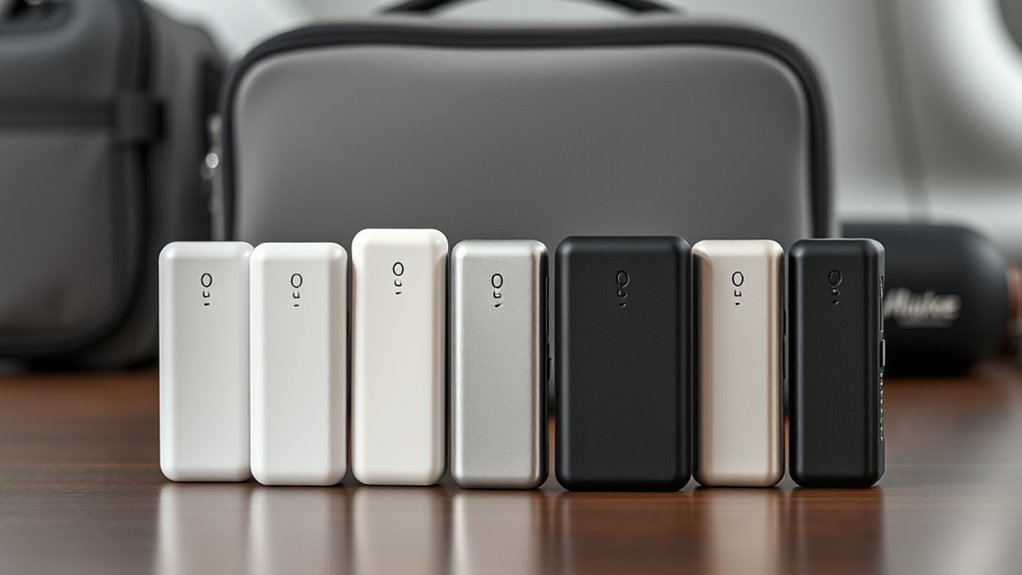

If you’re looking for the best airline-approved battery packs for medical devices in 2025, I recommend considering compact, lightweight units that support popular devices like CPAPs and laptops. Look for batteries with a capacity around 100-160Wh, safe LiFePO4 cells, and multiple recharging options like USB-C or solar. Easy handling, device compatibility, and airline compliance are key. Keep exploring, and you’ll discover which options meet your travel needs effortlessly.
Key Takeaways
- Prioritize batteries with watt-hour ratings of 100Wh or less for airline approval without prior permission.
- Look for units with TSA or FAA approval, safety certifications, and proper labeling for compliance.
- Choose compact, lightweight designs that meet airline size and weight restrictions for ease of travel.
- Opt for batteries supporting multiple recharging options like USB-C, AC, and solar for versatile use.
- Ensure the battery is compatible with your specific medical device model and includes necessary safety features.
Freedom CPAP Battery Backup Power Supply
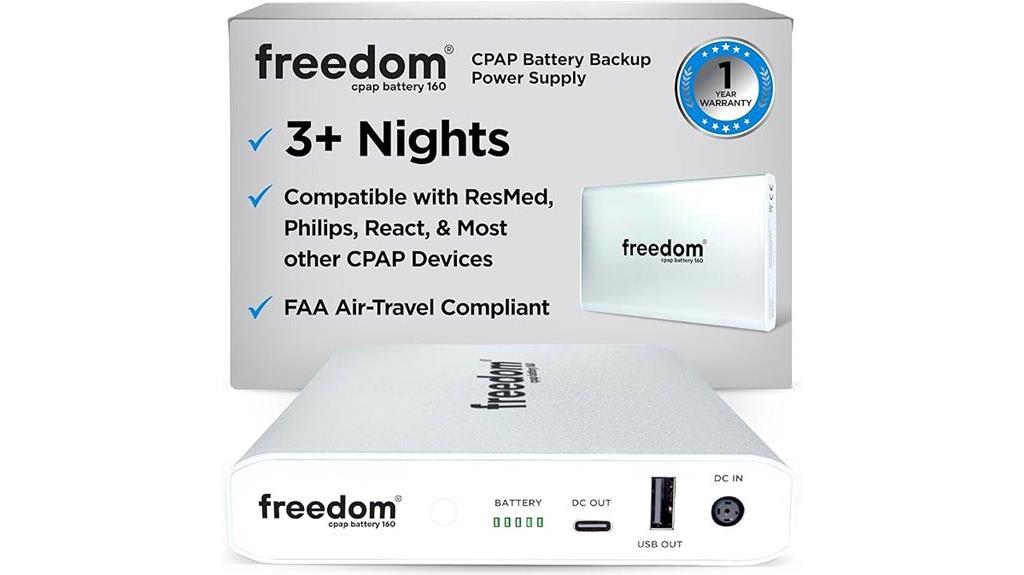
If you’re traveling with a CPAP machine, the Freedom CPAP Battery Backup Power Supply is an excellent choice for those who need reliable, portable power on the go. It features a 160 Watt Hour lithium-ion battery, weighing just 3.7 pounds and measuring 7.9 x 5.1 x 1.0 inches, making it easy to pack. Compatible with popular models like ResMed AirSense 10, AirMini, and Philips DreamStation, it provides backup power during travel, camping, or outages. The battery’s runtime varies based on your device and settings but can be extended by disabling heating features. It includes an LED indicator and comes with a one-year warranty, ensuring peace of mind.
Best For: travelers, campers, and individuals experiencing power outages who need reliable, portable backup power for their CPAP machines.
Pros:
- Compact and lightweight design (3.7 pounds, 7.9 x 5.1 x 1.0 inches) for easy portability
- Compatible with popular CPAP models like ResMed AirSense 10/11, AirMini, and Philips DreamStation
- Rechargeable lithium-ion battery with LED power indicator for convenient monitoring
Cons:
- Runtime varies depending on device and settings; heating functions can reduce battery life
- Some models require an additional 14V output cable sold separately
- Limited to 160 Watt Hour capacity, which may not support prolonged use for certain devices
EASYLONGER CPAP Battery Backup Power Supply (ES960)
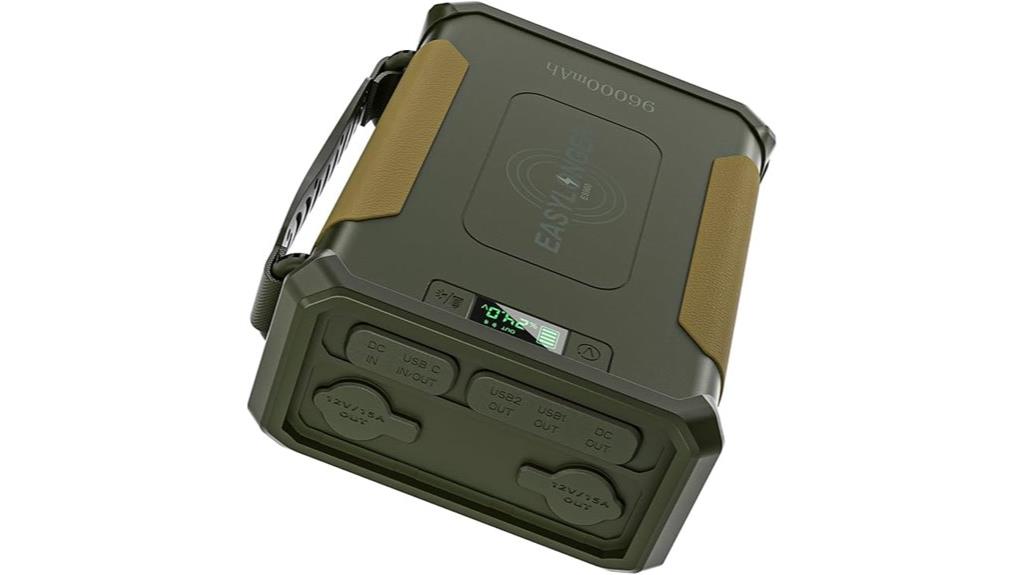
Looking for a reliable backup power supply that can keep your CPAP running through power outages or outdoor adventures? The EASYLONGER CPAP Battery Backup Power Supply (ES960) offers 297.6Wh of high capacity, compatible with popular models like AirSense 11, DreamStation, and AirMini. It provides over two nights of use when the humidifier and heated tube are off, perfect for camping or emergencies. With 7 ports and wireless charging, it can power small devices like phones, tablets, and even portable fridges. Built with safe LiFePO4 cells, it’s durable, capable of around 3,000 cycles, and recharges via USB-C, AC, or solar panels for versatile, off-grid use.
Best For: individuals needing a reliable, portable backup power solution for CPAP machines, outdoor activities, and emergency situations.
Pros:
- High capacity of 297.6Wh provides over two nights of CPAP use without humidifier or heated tube.
- Supports a wide range of CPAP models and offers multiple charging options including USB-C, AC, and solar panels.
- Built with safe LiFePO4 cells, ensuring durability, safety, and approximately 3,000 recharge cycles.
Cons:
- Solar panel recharging requires an additional purchase, as it is not included.
- Some compatible devices may require additional adapters or voltage converters.
- Heated tube and humidifier features reduce run time, limiting maximum usage duration if these are enabled.
Krisdonia Portable Laptop Charger (TSA-Approved) 27000mAh 130W
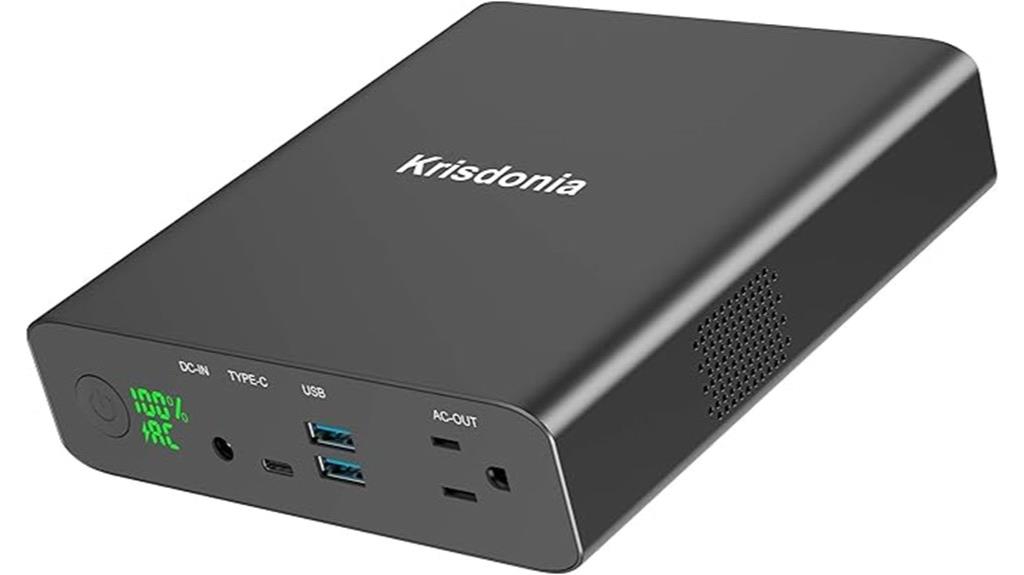
The Krisdonia Portable Laptop Charger stands out as an ideal choice for travelers and professionals who need reliable, high-capacity power on the go. With a 27,000mAh capacity and 130W AC output, it can fully charge laptops, drones, projectors, and more, making it versatile for various devices. Its quick recharge via a 19V/2A input saves time, while QC 3.0 fast-charging ports power phones rapidly. TSA-approved and featuring pass-through charging, it’s safe and convenient for travel. Compact and durable, this power bank is perfect for long trips, outdoor activities, or emergency use, ensuring you stay connected wherever you are.
Best For: travelers, professionals, and outdoor enthusiasts who need reliable, high-capacity portable power for multiple devices on the go.
Pros:
- Supports up to 130W AC output, capable of charging laptops, drones, and other high-power devices.
- Quick recharging with a 19V/2A input, saving approximately 60% of recharge time.
- TSA-approved and features pass-through charging for safe, convenient travel and simultaneous device charging.
Cons:
- Large capacity may make the device slightly bulkier compared to smaller portable chargers.
- Limited to 130W AC output, which may not be sufficient for very high-power equipment.
- Requires a specific charger for recharging, and charging times may vary if not using the included charger.
Backup Power Supply & Travel Battery (2nd Gen, 150Wh)
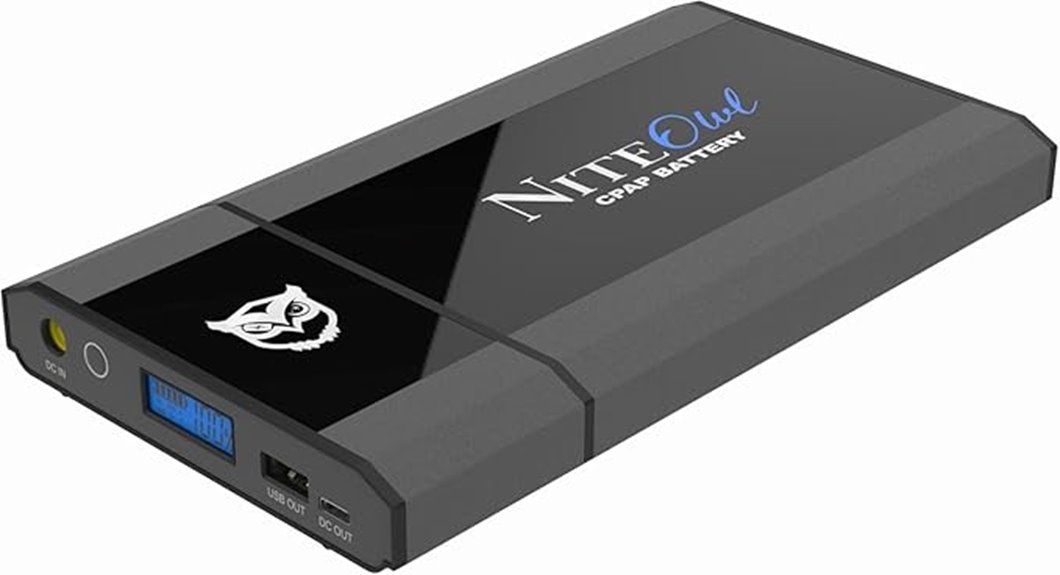
Designed for travelers who need reliable backup power, the Backup Power Supply & Travel Battery (2nd Gen, 150Wh) stands out with its FAA-approved, compact design that easily fits into carry-on luggage. Its 150Wh swappable cell pack guarantees extended runtime without limits, making it perfect for camping, travel, or daily use. Compatible with popular CPAP devices like ResMed, Philips, and React Health, it doesn’t require an extra charger—it uses your existing CPAP power supply. Lightweight at just 3 pounds and measuring 8.7 x 4.8 x 0.9 inches, it’s a convenient, travel-ready solution for medical device backup and on-the-go power needs.
Best For: travelers, camping enthusiasts, and CPAP users seeking a reliable, compact backup power solution for medical devices and portable electronics.
Pros:
- Compact, lightweight design (3 pounds) for easy portability during travel and outdoor activities
- Compatible with popular CPAP models without needing an extra charger, simplifying setup
- FAA-approved and travel-ready, suitable for in-flight use and carry-on luggage
Cons:
- Limited to 150Wh capacity, which may not be sufficient for extended power needs without swapping cells
- One battery pack is nonstandard, potentially affecting replacement availability and cost
- Limited information on charging time and lifespan of the swappable cell pack
27000mAh Portable Laptop Charger with AC Outlet (TSA-Approved)
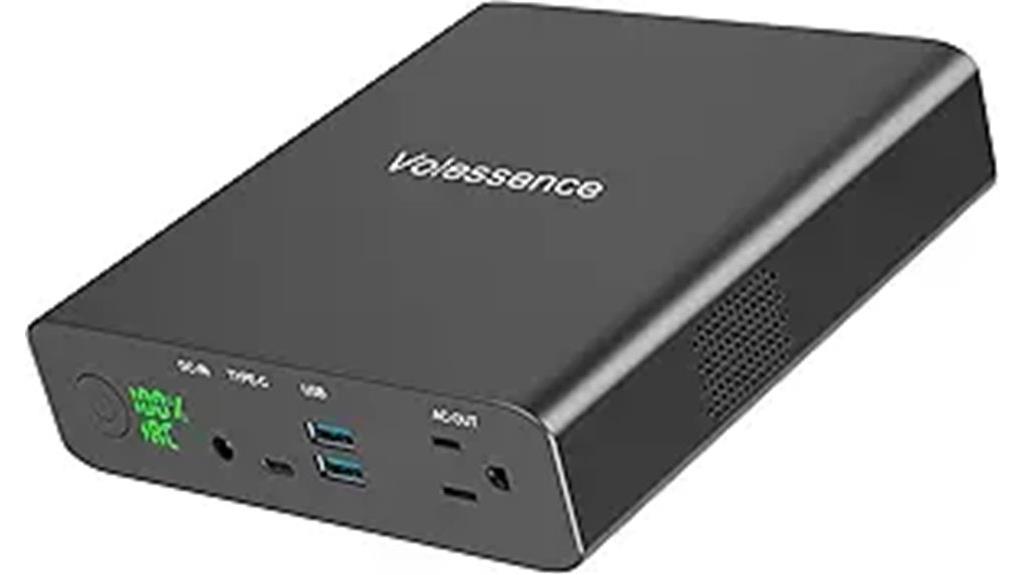
For travelers who need reliable power on the go, the 27000mAh Portable Laptop Charger with AC Outlet stands out as an ideal choice, especially since it’s TSA-approved and compact enough for airline travel. With a capacity of nearly 100Wh, it can power laptops, phones, and even small appliances like mini fridges or fans. Its portable size (6.5 x 5.9 x 1.6 inches) and lightweight design (2.6 lbs) make it easy to carry. It features multiple ports, including a powerful AC outlet, USB Quick Charge ports, and a USB-C port, supporting up to four devices simultaneously. It’s perfect for travel, outdoor adventures, or emergency power needs.
Best For: travelers, outdoor enthusiasts, and emergency preparedness users who need a reliable, portable power source capable of charging multiple devices simultaneously, including laptops and small appliances.
Pros:
- TSA-approved and compact design makes it ideal for airline travel and portability.
- Supports multiple devices simultaneously with AC, USB, and USB-C ports.
- Recharges quickly within 4-5 hours and features a clear LED display for battery status.
Cons:
- Limited to devices under 130W, restricting higher power appliances.
- Slightly heavy at 2.6 lbs, which may be cumbersome for some travelers.
- Higher capacity units can be more expensive compared to basic portable chargers.
EASYLONGER ES270 CPAP Battery for Air Travel
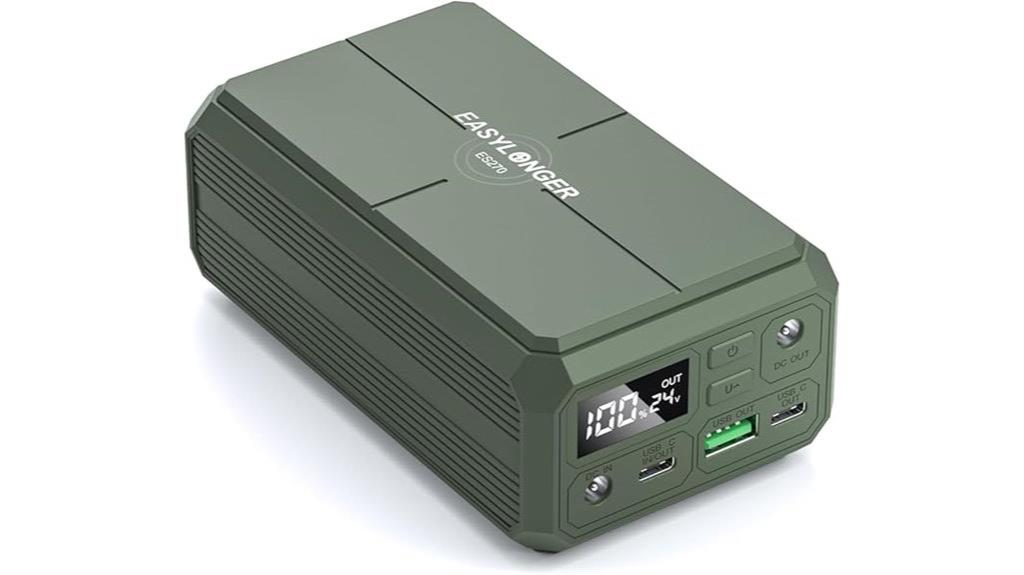
If you’re seeking a reliable power solution that meets airline regulations, the EASYLONGER ES270 CPAP Battery stands out as an excellent choice for air travelers. With a 99.9Wh capacity, it’s compatible with popular CPAP models like ResMed AirMini and Philips DreamStation. It provides up to 8 hours of use (humidification off), and charges devices quickly with 100W PD fast charging. Its compact, lightweight design makes it easy to carry, and built-in safety features guarantee secure operation. Plus, the included cables and multiple charging options—solar, USB-C, or car charger—make it versatile for travel, camping, or emergency backup.
Best For: travelers, campers, and emergency users seeking a compact, airline-approved CPAP battery that ensures reliable power and versatile charging options.
Pros:
- Compact, lightweight design for easy portability during travel and outdoor activities
- Up to 8 hours of CPAP operation with humidification off, supporting long outings or flights
- Fast 100W PD charging and multiple charging methods (solar, USB-C, car charger) for convenience and versatility
Cons:
- Suitable mainly for low-power CPAP devices; high-power machines may require turning off humidification and heating to extend runtime
- Limited capacity (99.9Wh) may not support very long or intensive therapy sessions without recharging
- Pass-through mode may be limited during prolonged power outages or high power draw situations
BLUETTI CPAP Battery Backup X30 297Wh Power Supply with Cable Set
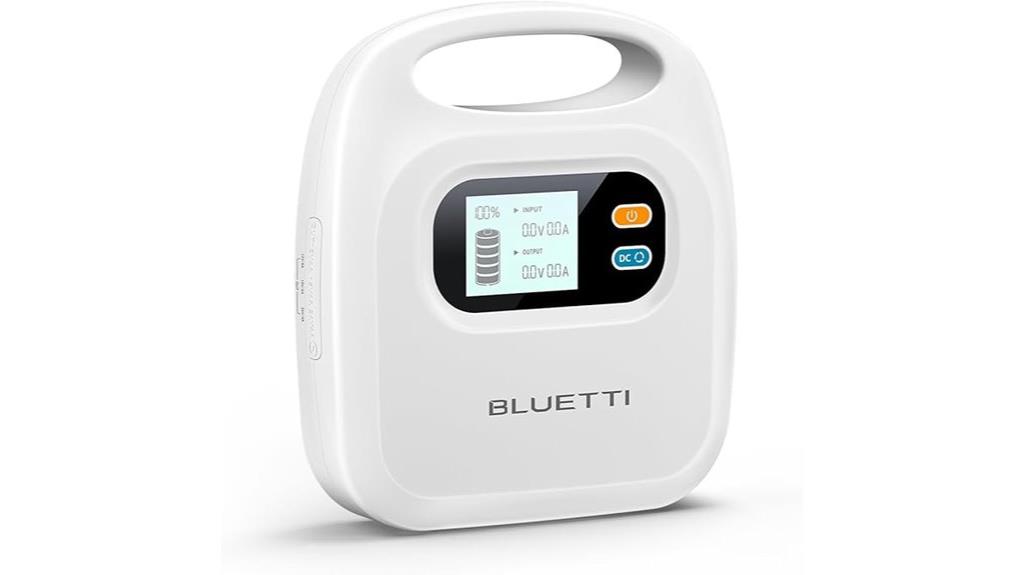
The BLUETTI CPAP Battery Backup X30 297Wh stands out as an excellent choice for travelers and patients who need reliable power during emergencies or outdoor adventures. It provides enough backup for 5-7 nights for most CPAP and BiPAP machines, ensuring uninterrupted sleep and peace of mind. Weighing just 3.9 pounds, it’s portable with a built-in handle and ample cable storage. The device features three high-efficiency DC ports and a USB-A port, supporting quick charging and multiple device types. With safety features and a all-encompassing cable set included, it’s designed for versatility, making it ideal for camping, emergencies, or travel.
Best For: travelers, outdoor enthusiasts, and CPAP/BiPAP users seeking reliable backup power for emergencies or outdoor adventures.
Pros:
- Lightweight and portable at only 3.9 lbs with a built-in handle
- Compatible with a wide range of CPAP/BiPAP devices and includes a comprehensive cable set
- Supports rapid charging with enhanced safety features for peace of mind
Cons:
- Limited to approximately 5-7 nights of power, which may be insufficient for some users
- May require additional adapters for compatibility with certain devices
- Relies on a 297Wh capacity, which might not cover extended power needs during prolonged outages
Factors to Consider When Choosing Airline-Approved Battery Packs for Medical Devices

When selecting an airline-approved battery pack for your medical device, I always start by checking regulatory compliance and battery capacity limits to avoid issues during travel. It’s also vital to verify the pack is compatible with my device and offers convenient recharging options. Finally, I consider size and weight to keep my travel experience smooth and hassle-free.
Airline Regulations Compliance
Choosing airline-approved battery packs for medical devices requires careful attention to regulations that limit portable batteries on planes. Most airlines restrict carry-on batteries to 100Wh, with some permitting up to 160Wh if approved beforehand. Batteries over 100Wh must be declared at security checkpoints and usually need airline approval. Proper labeling with watt-hour (Wh) capacity is essential to verify compliance and ensure safety standards are met. Airlines often limit the number of spare batteries—typically up to two of 100Wh or less—without special authorization. To avoid issues, I recommend reviewing both airline policies and FAA regulations before traveling. Staying informed helps prevent delays and ensures your medical device batteries are compliant, safe, and ready for your journey.
Battery Capacity Limits
Understanding battery capacity limits is vital when selecting airline-approved packs for medical devices, as most airlines restrict carry-on batteries to 100Wh. Many portable battery packs fall between 99Wh and 160Wh to meet these regulations, making them suitable options. Batteries over 160Wh are generally prohibited unless airlines grant special approval, which often requires documentation. The capacity is calculated by multiplying voltage (V) by ampere-hours (Ah) to determine watt-hours (Wh). It’s imperative to verify each airline’s specific policies, as some may impose stricter limits or additional restrictions. Choosing a battery pack within the permitted capacity ensures compliance and smooth security checks. Being aware of these limits helps you avoid surprises and ensures your medical device remains powered during travel without delays.
Device Compatibility
Selecting a battery pack that works seamlessly with your specific medical device is vital to guaranteeing reliable performance during travel. First, verify that the battery is compatible with your device model and brand, whether it’s a CPAP, BiPAP, or another portable device. Check that the voltage and watt-hour ratings match your device’s requirements to prevent underperformance or damage. It’s also essential to confirm the inclusion of the right cables or adapters compatible with your device’s input ports and power specs. Additionally, consider if the battery supports features like heated humidifiers or heated tubing, which can affect power needs. Finally, guarantee the battery’s capacity and output options align with your travel plans, whether short trips or extended outdoor or emergency use. Compatibility is vital for a smooth experience.
Recharging Options
Since recharging speed and flexibility are essential during travel, it’s important to look for battery packs that support fast charging methods like Power Delivery (PD), which can often recharge the battery within 2-3 hours. Compatibility with multiple recharging sources—USB-C PD adapters, AC wall chargers, and solar panels—ensures maximum flexibility, especially when outlets are scarce. Confirm the battery’s capacity and input wattage to match your device’s recharging needs and desired speed. Supporting pass-through charging lets you recharge the pack while powering your device, a critical feature during emergencies or long travel days. Additionally, safety features like overcharge, over-discharge, short-circuit, and thermal protections are essential to maintain safe and efficient recharging cycles, giving you peace of mind on the go.
Size and Weight
When choosing an airline-approved battery pack for your medical device, size and weight are key factors to contemplate. Most airline regulations limit carry-on battery packs to 100Wh or less, so compact size is essential for compliance. The battery should easily fit in your carry-on bag without exceeding airline size restrictions, ensuring smooth security checks and convenient handling. Lightweight packs, typically under 3 pounds, help avoid adding unnecessary weight to your luggage, making travel more comfortable. Smaller batteries are also easier to handle, reducing the risk of damage or accidental activation during transit. Additionally, the physical dimensions must align with airline safety standards, allowing you to store them effortlessly in overhead compartments or under seats, ensuring safety and convenience throughout your journey.
Frequently Asked Questions
Are All Airline-Approved Battery Packs Compatible With Specific Medical Devices?
Not all airline-approved battery packs are compatible with every medical device. I always check the device’s specifications and the battery pack’s details to make certain they match. It’s essential to verify voltage, connector types, and capacity, as using incompatible batteries can cause malfunction or safety issues. When in doubt, I consult the device manufacturer or airline regulations to make sure I’m using the right, approved power source for my medical device.
What Is the Maximum Allowed Battery Capacity for Airline Travel?
Think of airline rules as a tightrope; I have to stay balanced to avoid falling. The maximum allowed battery capacity for airline travel is typically 100 watt-hours (Wh) per battery. For batteries between 100 Wh and 160 Wh, airline approval and airline approval are generally required. Batteries over 160 Wh are usually prohibited. Always check your airline’s specific policies before traveling to keep your journey smooth and safe.
How Do I Properly Pack Batteries for Airline Security Checks?
When packing batteries for airline security, I always keep them in their original containers or a protective case. I make sure each battery is clearly labeled and easily accessible. I pack spare batteries in my carry-on, not checked luggage, and verify they’re within the airline’s allowed capacity. I also inform security personnel about the batteries upfront to avoid delays and follow all TSA guidelines.
Are There Specific Airlines With Stricter Battery Regulations?
Think of airlines as guardians of the skies, each with their own gatekeepers. Some are more vigilant, like strict sentinels, enforcing tighter battery regulations than others. I’ve noticed that international carriers often have stricter rules than domestic ones, especially in Europe and Asia. It’s wise to check each airline’s policies beforehand, as their regulations can vary like different weather patterns, ensuring your medical device battery travels smoothly and safely.
How Long Can an Airline-Approved Battery Power a Medical Device Continuously?
An airline-approved battery can typically power a medical device continuously for several hours, often between 8 to 12 hours, depending on the device’s power consumption. I always double-check the battery’s capacity and manufacturer guidelines before traveling to make certain it meets airline regulations. It’s essential to carry spare batteries if needed, and I recommend informing airline staff about your medical device and batteries ahead of your flight for smooth passage.
Conclusion
Choosing the right airline-approved battery pack for your medical device is like finding a trusted companion for your travels—reliable, discreet, and ready when you need it most. With so many options on the horizon, I encourage you to contemplate your specific needs carefully. Remember, the perfect backup quietly supports you, ensuring your journey remains smooth and worry-free. After all, a little extra peace of mind can make all the difference in your travel experience.