To guarantee clean air in laboratories handling hazardous biological agents, you need effective air filtration systems like HEPA filters that trap tiny particles and pathogens. Regular maintenance of these systems, combined with strict safety protocols including PPE and controlled airflow, helps prevent contamination and protect personnel. Monitoring ventilation and limiting access also play essential roles. Stay engaged with proper procedures, and you’ll find more ways to maintain a safe, contaminant-free environment that keeps everyone protected.
Key Takeaways
- Utilize HEPA filtration systems to effectively remove airborne biological agents and maintain sterile laboratory air.
- Implement strict safety protocols, including PPE and proper waste disposal, to prevent contamination and exposure.
- Regularly monitor and maintain ventilation systems to ensure unidirectional airflow and negative pressure environments.
- Conduct routine safety audits, training, and documentation to uphold a high safety standard and quick response to hazards.
- Foster a safety-conscious culture emphasizing diligent maintenance, proper procedures, and advanced air filtration technologies.

Maintaining clean air in laboratories that handle hazardous biological agents is essential for ensuring safety and preventing contamination. You need to prioritize effective air filtration systems to remove airborne pathogens, toxins, and particles that could pose risks to personnel and compromise experimental integrity. Proper air filtration acts as the first line of defense, trapping bacteria, viruses, and other biological contaminants before they can spread. HEPA filters are particularly crucial, as they are capable of capturing particles as small as 0.3 microns with 99.97% efficiency, ensuring that the air circulating within the lab remains sterile. Regular maintenance and timely replacement of these filters are vital to sustain their performance. Neglecting this can lead to filter failure, allowing hazardous agents to escape into the environment, increasing safety hazards and contamination risks.
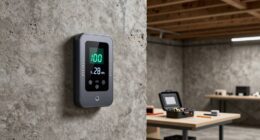
Effective lab air filtration with HEPA filters is vital to prevent contamination and ensure safety.
Alongside air filtration, strict adherence to safety protocols is non-negotiable. You should follow established procedures at every stage—from handling biological agents to disposing of waste—to minimize exposure and prevent accidental releases. Personal protective equipment (PPE), such as gloves, masks, and lab coats, must be consistently worn, and proper training ensures that all staff understand how to work safely within these controlled environments. Safety protocols also include monitoring airflow patterns, maintaining negative pressure zones where necessary, and implementing emergency procedures for spill cleanup or accidental exposure. These measures work together to create a comprehensive safety framework that reduces the likelihood of contamination and protects both personnel and the environment.
Implementing these safety protocols extends beyond individual actions; it involves regularly auditing ventilation systems, conducting safety drills, and keeping detailed records of maintenance activities. You should be vigilant about ensuring that airflow remains unidirectional and that negative pressure rooms are functioning correctly—these are critical for containing hazardous agents. Additionally, controlling access to high-risk areas limits the number of personnel exposed and minimizes contamination pathways. Proper signage, restricted entry, and strict protocol enforcement all contribute to a safer working environment. When combined with reliable air filtration, these safety protocols form a robust barrier against biological hazards.
In essence, maintaining clean air in laboratories handling hazardous biological agents is a continuous process that demands diligence and discipline. You must diligently monitor and maintain air filtration systems, follow safety protocols meticulously, and foster a culture of safety awareness. Doing so not only protects everyone working in the lab but also preserves the integrity of your research, ensuring that experiments remain uncontaminated and results are valid. Incorporating advanced air filtration technologies and implementing comprehensive safety measures create a safer, more controlled environment where biological hazards are effectively contained.
Frequently Asked Questions
How Often Should HEPA Filters Be Replaced in Biological Safety Cabinets?
You should replace HEPA filters in biological safety cabinets typically every 3 to 5 years, depending on the filter lifespan and usage conditions. Follow the manufacturer’s replacement schedule and regularly inspect filters for damage or clogging. If you notice decreased airflow or increased noise, replace the filter sooner. Proper maintenance guarantees safety and peak performance, so stay vigilant and adhere to recommended guidelines for filter replacement.
What Are the Signs of Compromised Airflow in Laboratory Clean Rooms?
Imagine working in a lab when suddenly, your airflow disruption causes your biological safety cabinet to fail. Signs of compromised airflow include uneven airflow patterns, strange noises, or visible dust and debris accumulating. Check for filter integrity issues, like tears or blockages, which could be the culprit. If you notice these signs, it’s critical to address them promptly to prevent contamination and ensure safety.
How Do Ambient Environmental Conditions Affect Clean Air Systems?
Ambient temperature and humidity control directly impact the effectiveness of clean air systems. When temperature fluctuates, it can cause air pressure imbalances, leading to compromised airflow. High humidity levels may promote microbial growth and reduce filtration efficiency. Conversely, low humidity can increase static electricity, disrupting airflow and contaminant removal. Maintaining stable ambient temperature and humidity ensures ideal clean air system performance, protecting laboratory integrity and safety.
Are There Portable Air Purification Options for Small Laboratory Spaces?
Yes, there are portable air purifiers designed for small lab filtration. These units are compact, easy to move, and effectively improve air quality by removing airborne contaminants. You can place them near workstations or in confined spaces to reduce risks associated with hazardous biological agents. Make certain to choose models with HEPA filters and appropriate airflow rates to guarantee ideal purification and safety in your small laboratory environment.
What Training Is Needed for Staff to Ensure Proper Clean Air Practices?
You need staff certification and ventilation protocol training to master clean air practices. Think of it as your superpower to prevent airborne threats! You’ll learn proper handling, filtration, and containment techniques that keep hazardous agents at bay. This training transforms you into a clean air hero, ensuring ventilation systems work flawlessly and safety is never compromised. Stay sharp, stay certified, and breathe easy knowing you’re protecting everyone in your lab.
Conclusion
You step into the lab, feeling the gentle hum of the advanced ventilation system whispering safety around you. The air, now pure and crisp, feels like a shield protecting your work and your team. Every filter traps unseen dangers, transforming the space into a sanctuary of cleanliness. As you breathe in confidently, you realize that maintaining clean air isn’t just technical—it’s your invisible armor, ensuring your discoveries happen in a safe, pristine environment where innovation can thrive.