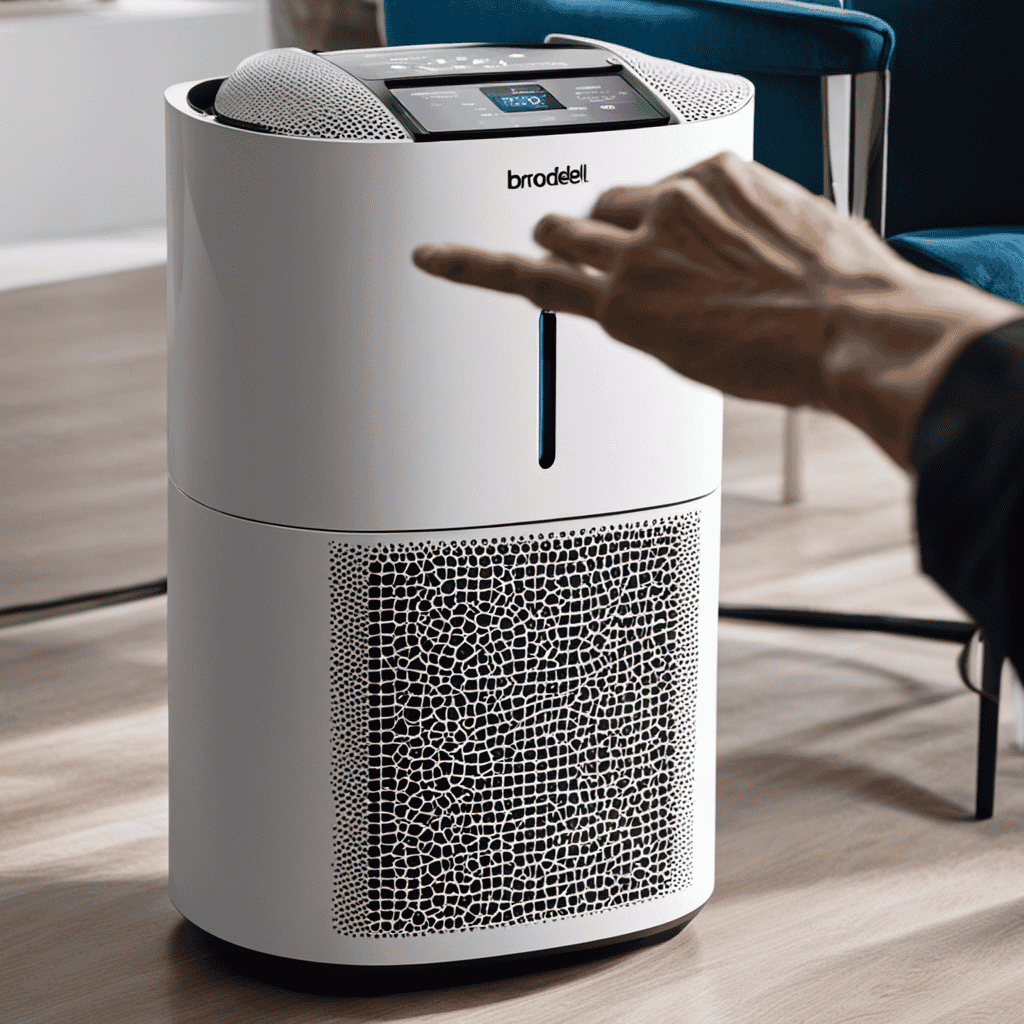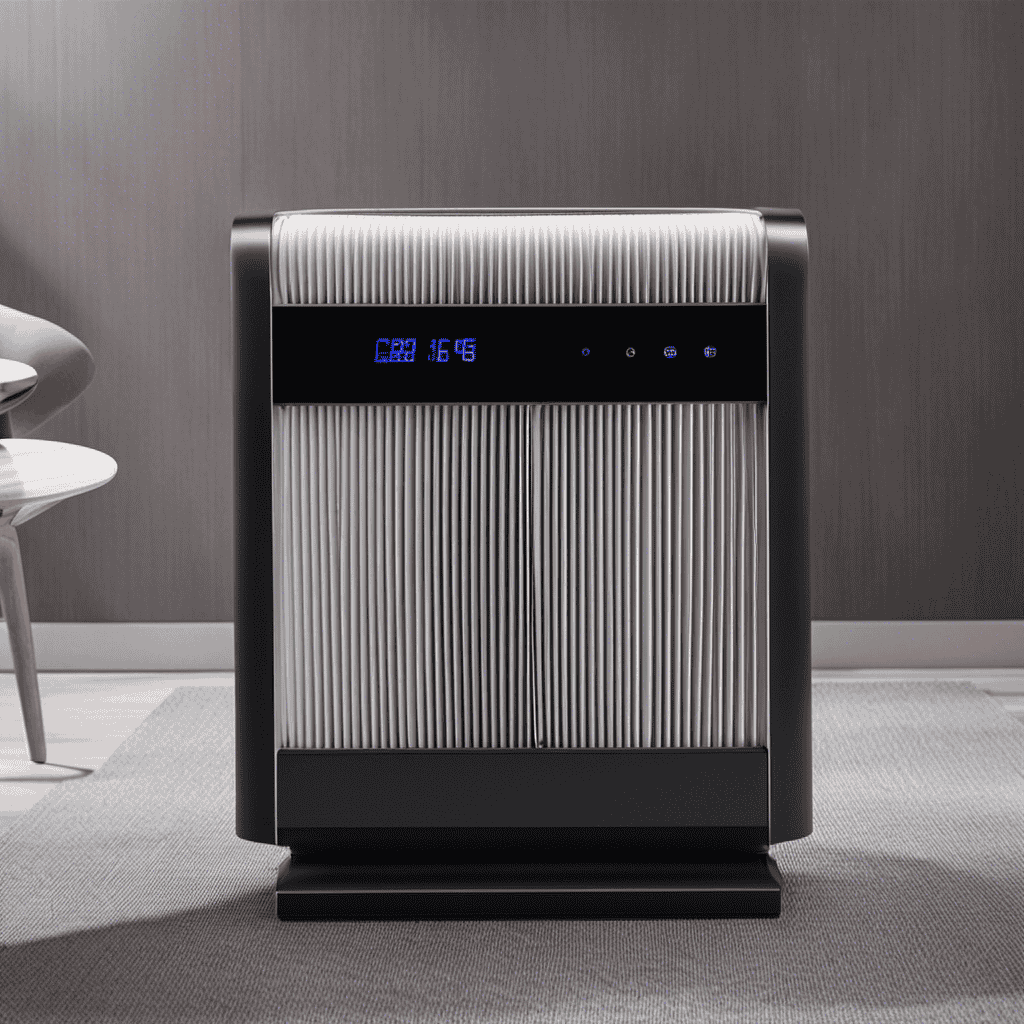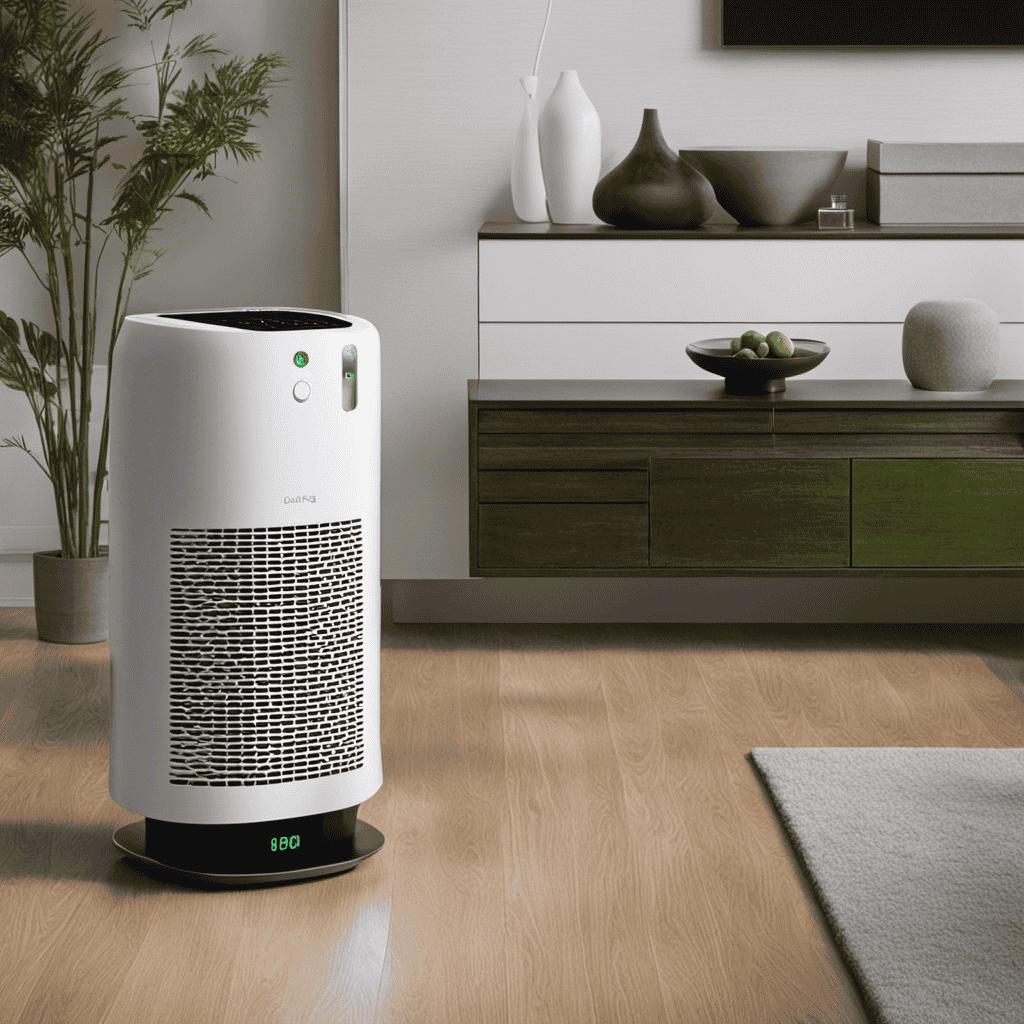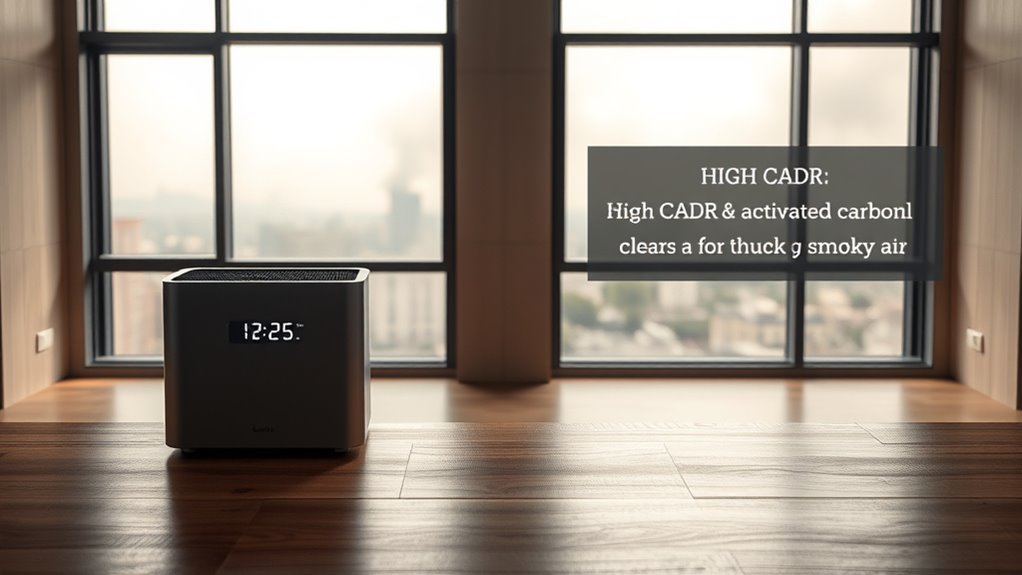
To combat wildfire smoke effectively, choose an air purifier with a high CADR rating for smoke—ideally above 300—to remove particles quickly. Make certain it has a combination of HEPA filters for fine particles and activated carbon filters to absorb gases and toxins. Regular maintenance is key to keeping filters working efficiently. Prioritize models with smart sensors and monitoring features for real-time air quality updates. Keep exploring to discover how to optimize your setup and protect your indoor air.
Key Takeaways
- Select air purifiers with CADR ratings above 300 for effective wildfire smoke removal.
- Combine HEPA filters with activated carbon to capture both particulate matter and harmful gases.
- Use real-time air quality monitors to adjust purifier settings during smoke events.
- Regularly inspect and replace filters every 3 to 6 months for optimal performance.
- Prioritize high-quality filters and devices to ensure comprehensive protection against wildfire toxins.
Have you ever wondered how to protect yourself from the harmful effects of wildfire smoke? When wildfire season hits, the air quality can plummet, making it essential to find effective ways to keep your indoor environment safe. One of the best strategies is to use air purifiers with high Clean Air Delivery Rate (CADR) ratings combined with proper filter maintenance. These steps ensure you’re removing the most dangerous particles from the air and maintaining your purifier’s efficiency.
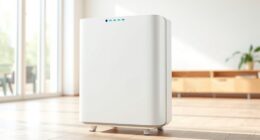
Start by choosing air purifiers that feature high CADR ratings. The CADR indicates how quickly the purifier can clean the air of smoke particles, dust, pollen, and other pollutants. For wildfire smoke, prioritize models with high CADR for smoke, ideally above 300. The higher the rating, the faster and more effectively your purifier will clear out fine particulate matter, including the tiny particles from wildfire smoke that can penetrate deep into your lungs. This is especially important because wildfire smoke contains harmful toxins that can worsen respiratory conditions, trigger allergies, and cause long-term health issues.
Using air quality monitoring devices can be a game-changer. These gadgets give you real-time data on your indoor air quality, helping you determine when it’s time to turn the purifier on or increase its settings. They allow you to take a proactive approach, quickly responding to changes and ensuring your indoor air stays as clean as possible. When monitoring air quality, pay attention to particulate matter levels, especially PM2.5, which are tiny particles that pose substantial health risks during wildfire events.
Filter maintenance is equally vital. Even the best purifier won’t work effectively if the filters aren’t regularly checked and replaced. Wildfire smoke can quickly clog filters, reducing airflow and filtration efficiency. Make a habit of inspecting your filters at least once a month during wildfire season and replacing them as recommended by the manufacturer—usually every 3 to 6 months. Using high-quality HEPA and activated carbon filters can markedly improve filtration, capturing both fine particles and harmful gases. Keep in mind that neglected filters not only diminish air quality but can also strain your device, leading to potential breakdowns.
In addition, understanding the role of AI in Education and how automation can be used to improve efficiency underscores the importance of proactive measures like air purification. Combining high CADR air purifiers, vigilant air quality monitoring, and diligent filter maintenance creates a strong defense against wildfire smoke. It’s a proactive way to protect your respiratory health and ensure your indoor space remains a refuge from the smoky outdoors. Taking these steps may require some effort, but the peace of mind knowing you’re reducing your exposure to hazardous pollutants makes it worthwhile.
Frequently Asked Questions
How Often Should I Replace Wildfire Smoke Filters?
You should replace wildfire smoke filters based on your filter replacement schedule and indicator lights. Typically, filters need changing every 3 to 6 months, but if the indicator light signals or you notice reduced airflow, it’s time to swap them out sooner. Regularly check the filter’s condition to guarantee peak air quality. Staying attentive to these cues helps maintain effective filtration and keeps your indoor air safe during wildfire season.
Are HEPA Filters Effective Against Wildfire Smoke Particles?
Yes, HEPA filters are highly effective against wildfire smoke particles because of their high HEPA efficiency, which captures 99.97% of particles as small as 0.3 microns. Smoke filtration relies on their ability to trap tiny particles, including harmful toxins from wildfire smoke. You should guarantee your filter has a true HEPA rating and replace it regularly to maintain ideal smoke filtration performance during wildfire events.
Can Air Purifiers Eliminate Harmful Chemicals From Wildfire Smoke?
Air purifiers can substantially reduce harmful chemicals from wildfire smoke through chemical filtration and VOC removal. You should look for units with activated carbon filters, which absorb gases and volatile organic compounds effectively. While they won’t eliminate all chemicals, these filters greatly improve air quality. Make sure to choose a purifier with high CADR, and replace filters regularly to maintain ideal chemical filtration and VOC removal, keeping your indoor air safer.
What Maintenance Is Required for High CADR Air Purifiers?
You’ll need to regularly check your filter lifespan and replace filters as recommended by the manufacturer, usually every 6-12 months. While some high CADR air purifiers have washable or reusable filters, most require filter cleaning to maintain efficiency. Don’t ignore maintenance—clean filters help remove smoke particles effectively, ensuring your purifier continues to protect your indoor air quality. Proper upkeep extends the lifespan of your device and keeps it working at peak performance.
Do Portable Air Purifiers Work Better Indoors or Outdoors?
Portable air purifiers work best indoors, where they improve indoor air quality by filtering out wildfire smoke and other pollutants. They serve as effective outdoor pollution barriers, reducing airborne particles you breathe inside. Outdoors, their effectiveness diminishes because fresh air constantly flows in, and limited space prevents ideal filtration. Keep your purifier inside to maximize its ability to protect you from wildfire smoke and maintain cleaner indoor air.
Conclusion
Just like putting on a sturdy mask shields you from ash and debris, choosing high CADR and carbon filters acts as a strong barrier against wildfire smoke. Imagine your home as a fortress, keeping out the invisible threat that can harm your health. During last year’s wildfires, families with quality filters noticed a significant difference in air quality. Don’t wait for smoke to fill your home—equip it now, and breathe easier knowing you’re protected from nature’s most dangerous haze.

In the dynamic world of air purifiers and clean air advocacy, Aire stands out as a beacon of knowledge and passion. As the Editor in Chief of Aero Guardians, Aire has been instrumental in shaping the platform’s voice and direction, ensuring that every piece of content resonates with clarity, authority, and authenticity.