
To control mold and mildew, focus on moisture management and air filtration. Use HEPA air purifiers to remove airborne mold spores effectively, especially in damp areas like bathrooms and basements. Improve ventilation with exhaust fans and dehumidifiers to keep indoor humidity below 60%, ideally between 30-50%. Fix leaks promptly and dry wet areas quickly. Combining these strategies creates a healthier environment—if you want to learn more about maximizing your efforts, keep exploring these solutions.

Get garden gear delivered free — and shop member deals
- Fast, free delivery on millions of items
- Access to Prime Big Deal Days deals on October 6–7
- Prime Video, Amazon Music and more included
Key Takeaways
- HEPA air purifiers effectively capture airborne mold spores, reducing their presence in indoor environments.
- Maintaining proper ventilation with exhaust fans and air exchangers helps control indoor humidity levels.
- Keeping indoor humidity below 60% inhibits mold and mildew growth; ideal levels are 30-50%.
- Fixing leaks and drying wet areas promptly reduces moisture sources that promote mold development.
- Combining air purification, ventilation, and moisture management offers comprehensive mold prevention and control.

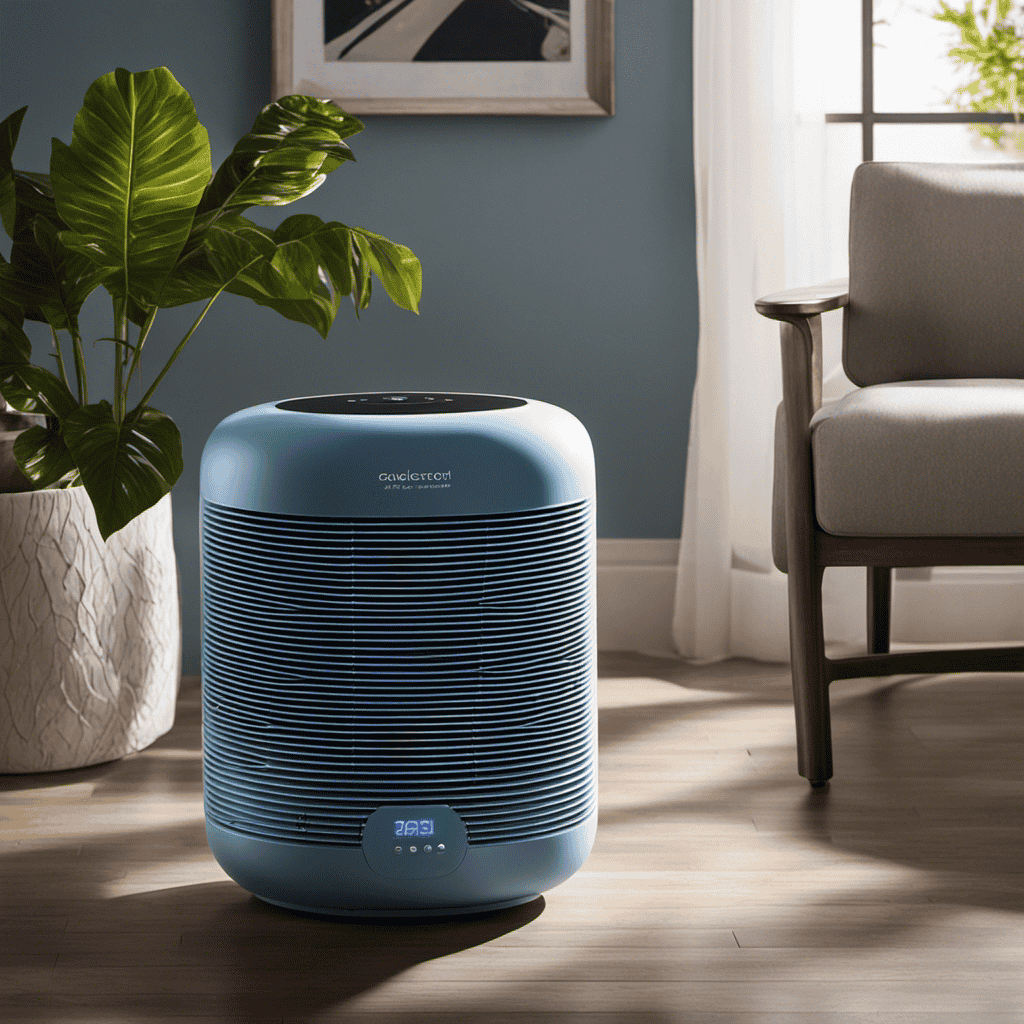
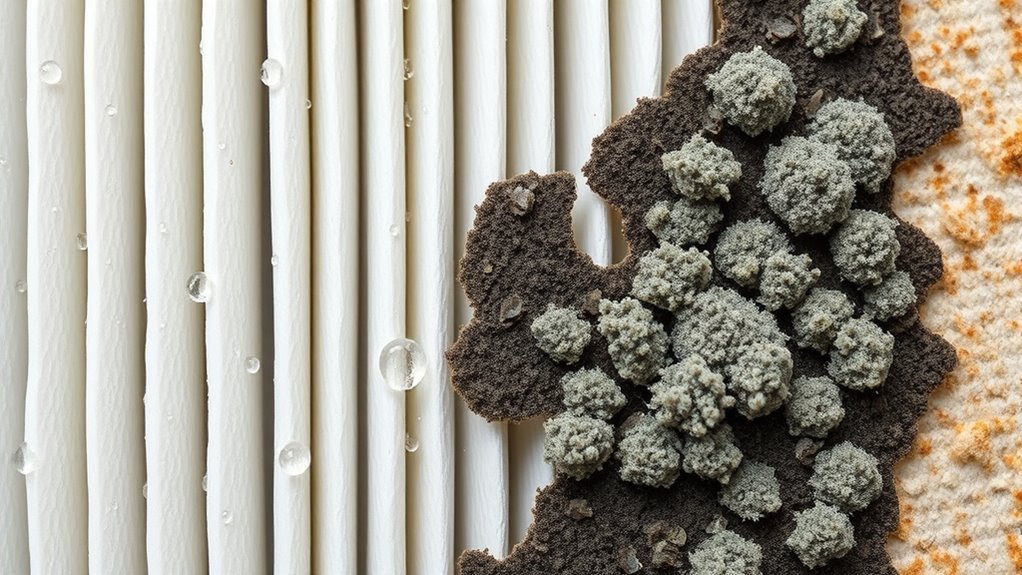
Mold and mildew are common problems in homes, especially in damp or poorly ventilated areas. These fungi thrive where moisture is abundant, and if left unchecked, they can cause health issues and damage to your property. To combat this, you need effective moisture control and air quality management strategies. One of the most practical solutions is using air purifiers equipped with HEPA filters. These devices can considerably reduce airborne mold spores, preventing them from settling and growing. When choosing an air purifier, look for models specifically designed to target mold spores, as HEPA filtration captures particles as small as 0.3 microns, including mold spores. Regularly running an air purifier in affected rooms can make a noticeable difference, especially in bedrooms, bathrooms, and basements where humidity tends to be higher.
However, relying solely on air purifiers isn’t enough. Proper ventilation is essential to keep moisture levels in check. Ventilation systems, such as exhaust fans, air exchangers, or even whole-house ventilation, help remove excess humidity from indoor air. Installing exhaust fans in bathrooms and kitchens is a simple yet effective step to vent out moisture generated during activities like showering and cooking. For larger homes, consider upgrading to an advanced ventilation system that continuously exchanges indoor and outdoor air, maintaining a balanced humidity level. Keeping indoor humidity below 60%, ideally between 30-50%, inhibits mold growth and reduces mildew formation. Using hygrometers can help you monitor these levels easily. Additionally, incorporating natural moisture control techniques can further prevent mold proliferation.
Beyond air purifiers and ventilation, addressing the root causes of moisture is essential. Fix leaks immediately, dry out wet areas promptly, and avoid drying clothes indoors unless there’s proper ventilation. Use dehumidifiers in spaces prone to dampness to further reduce humidity and inhibit mold growth. When combined, these methods create an environment less hospitable to mold and mildew. Regular cleaning with mold-inhibiting solutions and maintaining low indoor humidity levels complements the use of air purifiers and ventilation systems, giving you a comprehensive approach. By actively managing moisture and air quality, you not only protect your home but also safeguard your health against the adverse effects of mold and mildew.
HEPA air purifier for mold spores
As an affiliate, we earn on qualifying purchases.
As an affiliate, we earn on qualifying purchases.
Frequently Asked Questions
How Effective Are HEPA Filters Against Hidden Mold Spores?
HEPA filters are highly effective against hidden mold spores in air purifiers, capturing up to 99.97% of particles as small as 0.3 microns. Since mold spores are tiny, HEPA filters trap them efficiently, reducing airborne mold levels. Using an air purifier with a HEPA filter helps you keep your indoor air cleaner, especially in areas prone to moisture, preventing mold from spreading and improving overall indoor air quality.
Can HEPA Filtration Remove Mold Odors From Indoor Air?
Yes, HEPA filtration can remove mold odors from indoor air by trapping airborne spores and particles responsible for the smell. While HEPA filters are excellent for odor elimination, they work best when combined with moisture control to reduce mold growth. You should make certain your air purifier has a good seal and replace filters regularly to maintain effectiveness, creating a fresher, healthier environment free from mold-related odors.
What Is the Best Way to Detect Hidden Moisture Sources?
To detect hidden moisture sources, you should focus on moisture detection techniques like using a moisture meter or infrared camera. These tools help you locate hidden leaks or excess humidity behind walls, under floors, or in ceilings. Regularly inspect areas prone to leaks, such as plumbing fixtures and HVAC systems. Promptly fixing any leaks and controlling indoor humidity levels also prevent hidden moisture buildup and mold growth.
Are There Specific Humidity Levels to Prevent Mold Growth?
To prevent mold growth, keep indoor humidity levels between 30-50%, following general humidity guidelines. Maintaining this range helps inhibit mold spores from settling and growing. You should use a hygrometer to monitor humidity regularly, especially in damp areas like bathrooms and basements. Proper ventilation, dehumidifiers, and moisture control strategies are essential for effective mold prevention. Staying within these humidity guidelines keeps your environment less hospitable for mold development.
How Often Should HEPA Filters Be Replaced for Mold Control?
Think of your HEPA filters as the gatekeepers of clean air. You should replace them every 6 to 12 months, depending on use and environment. Regular filter maintenance is key to mold control, so follow your manufacturer’s recommended replacement schedule. If you notice reduced airflow or increased allergies, it’s time for a change. Keeping filters fresh helps keep mold at bay and maintains a healthier indoor space.
Conclusion
By now, you understand how essential proper moisture control and HEPA filtration are in preventing mold and mildew. Did you know that up to 78% of indoor air pollutants are mold spores? Keeping humidity below 60% and using effective filtration can considerably reduce your risk. Take action today—ventilate, clean, and monitor your environment regularly. Protect your health and home by staying proactive against mold and mildew growth before it becomes a bigger problem.
Fall yard work Picks
leaf blowers
As an affiliate, we earn on qualifying purchases.