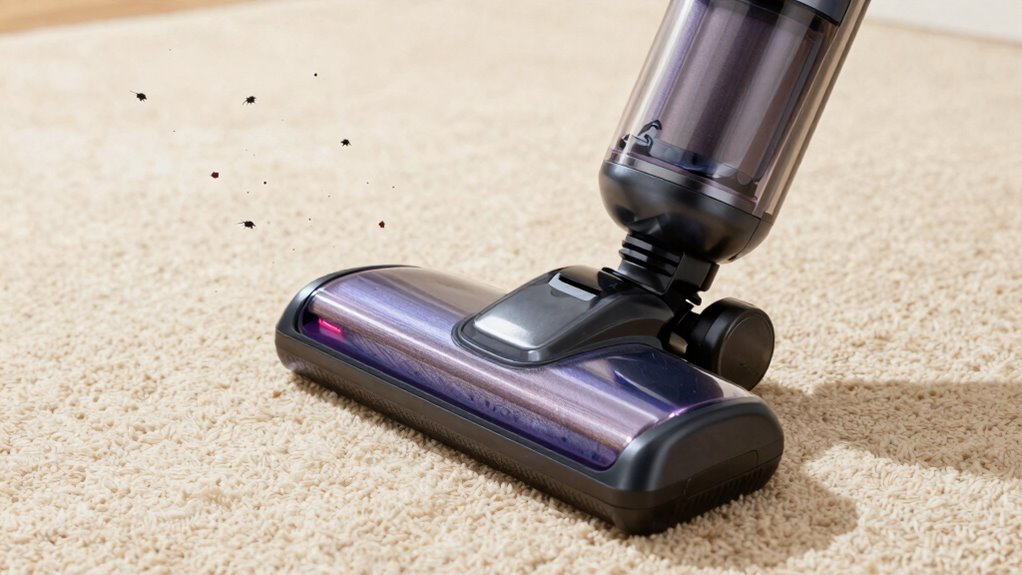
To enhance filtration and reduce dust mites, establish a consistent cleaning routine that includes washing bedding weekly in hot water, vacuuming with a HEPA filter, and using allergen-proof covers on mattresses and pillows. Keep indoor humidity below 50% with dehumidifiers or air conditioners, and dust with damp cloths instead of dry dusting. Adding air purifiers improves air quality further. Keep these practices steady, and you’ll see a noticeable decrease in dust mite allergens and symptoms. Continue to explore for more effective tips.
Key Takeaways
- Wash bedding weekly in hot water (at least 130°F / 54°C) to eliminate dust mites and allergenic particles.
- Use HEPA-filter vacuum cleaners to effectively trap and remove dust mite allergens from surfaces.
- Maintain indoor humidity below 50% with dehumidifiers or air conditioners to hinder dust mite reproduction.
- Cover mattresses and pillows with allergen-proof barriers to prevent mite settlement and make cleaning more effective.
- Incorporate air purifiers with HEPA filters to reduce airborne dust mite allergens and enhance filtration efficiency.
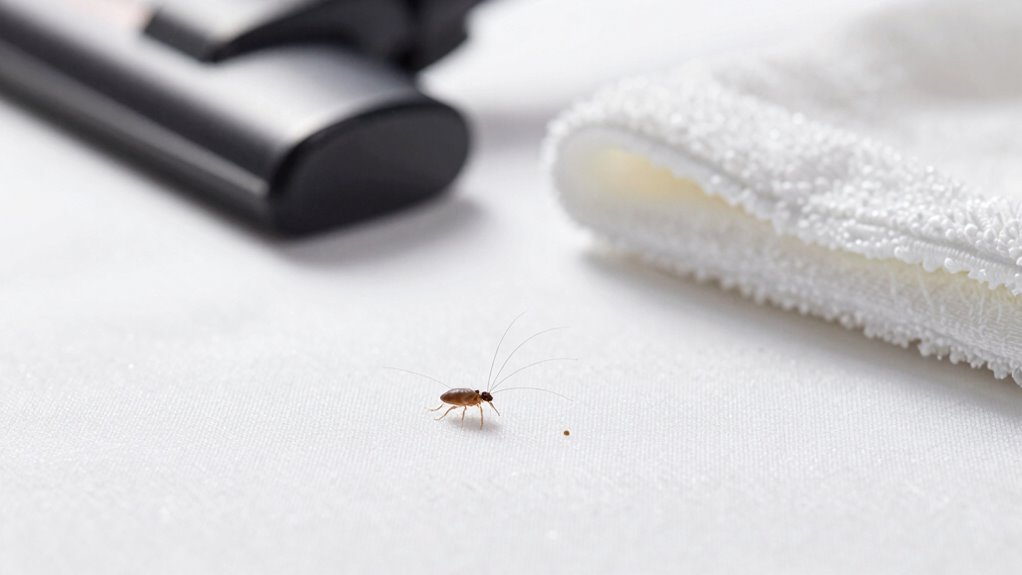
Dust mites are tiny creatures that thrive in indoor environments, feeding on dead skin cells shed by humans and pets. These microscopic pests are invisible to the naked eye but can cause considerable allergic reactions in sensitive individuals. Understanding how to manage allergenic triggers involves implementing effective cleaning techniques that reduce dust mite populations and minimize their impact on your health. Regular, targeted cleaning is essential because dust mites tend to accumulate in bedding, upholstery, carpets, and curtains, where they find a cozy habitat. To combat this, you should start by washing bedding and pillowcases weekly in hot water—ideally at least 130°F (54°C)—since heat effectively kills dust mites and removes allergenic particles. Using allergen-proof covers on mattresses and pillows creates a barrier that prevents mites from settling in and makes cleaning more manageable.
Vacuuming is another critical cleaning technique that can notably reduce dust mite allergens. Invest in a vacuum cleaner equipped with a HEPA filter, which captures tiny particles that standard vacuums might recirculate into the air. Make sure to vacuum carpets, rugs, and upholstered furniture thoroughly, paying special attention to seams, crevices, and edges where dust tends to accumulate. Don’t forget to vacuum curtains and fabric-covered surfaces regularly, as these also harbor allergenic triggers. After vacuuming, promptly empty the vacuum bag or canister outside your home to prevent recontamination.
In addition to washing and vacuuming, maintaining a low humidity level can make your environment less hospitable to dust mites. Use a dehumidifier or air conditioner to keep indoor humidity below 50%. Dust mites thrive in humid conditions, so reducing moisture levels starves them out and limits their reproduction. Regular dusting with a damp cloth also helps remove settled dust and allergenic particles from surfaces, preventing them from becoming airborne again. Avoid using dry dusting methods or sweeping, which tend to stir up dust and allergens instead of containing them. Proper ventilation can further help regulate indoor moisture and improve air quality, making it harder for dust mites to thrive.
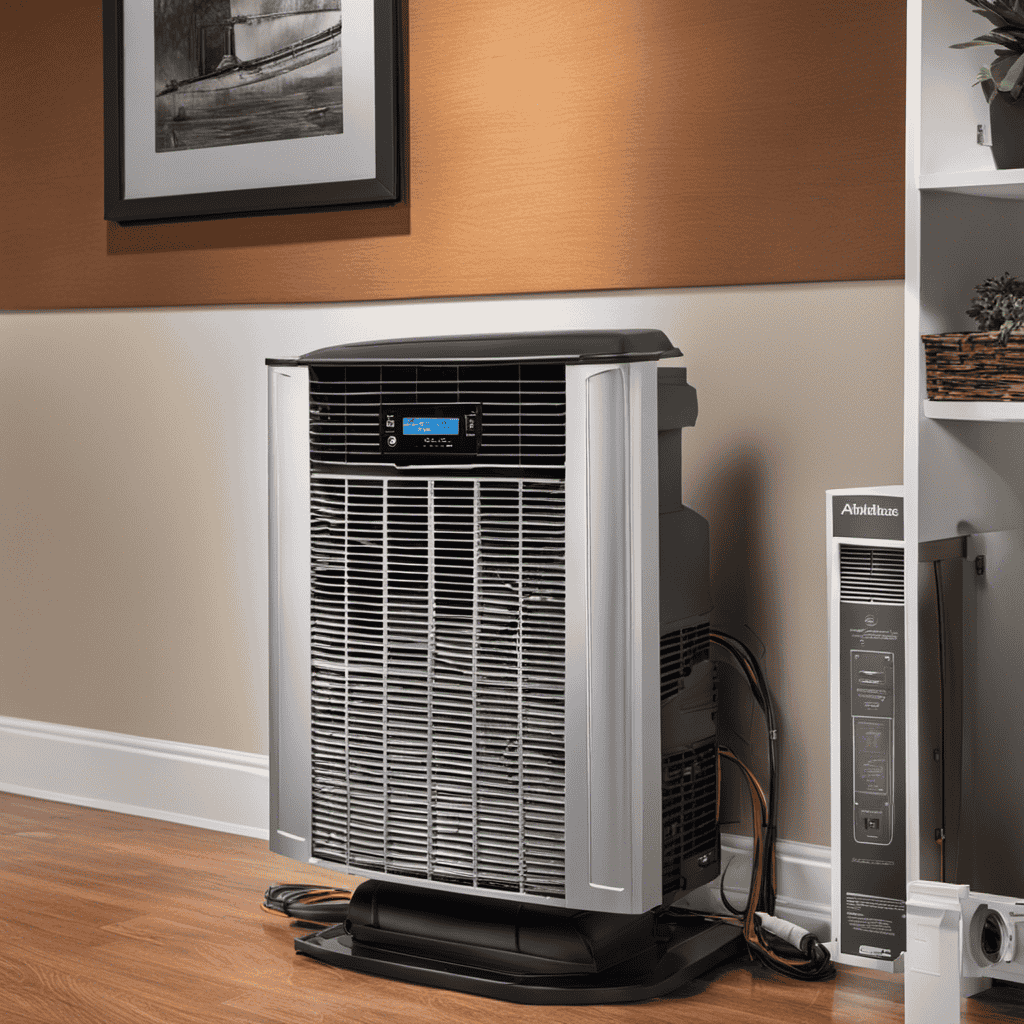
Finally, consider using air purifiers with HEPA filters in rooms where you spend a lot of time. These devices can trap airborne allergenic triggers, improving indoor air quality and reducing your exposure. Combining these cleaning techniques—hot water washing, vacuuming with HEPA filters, controlling humidity, and air purification—creates a thorough routine that weakens dust mite populations and enhances filtration effectiveness. With consistency, you’ll notice fewer allergy symptoms and a healthier living space, making your environment much more comfortable and safe.
Frequently Asked Questions
Can Dust Mites Survive in Humid Environments?
Yes, dust mites can survive well in humid environments because high humidity enhances their habitats. The humidity effects create ideal conditions, allowing dust mites to thrive and reproduce faster. To reduce their presence, you should lower indoor humidity levels below 50%, improve ventilation, and regularly clean bedding and upholstery. Keeping the environment dry makes it harder for dust mites to survive, helping you maintain a cleaner, healthier space.
Are Dust Mites More Active During Certain Seasons?
Like clockwork, dust mites become more active during certain seasons, especially in humid months. You’ll notice higher allergen levels in spring and summer when warmth and moisture thrive. During colder months, their activity drops, but they still linger in your home. To reduce their presence, maintain a consistent cleaning routine, control humidity, and use high-quality filtration. Staying vigilant helps you keep seasonal peaks from worsening allergy symptoms.
Do Air Purifiers Eliminate Dust Mites Effectively?
Air purifiers with HEPA filters can substantially reduce dust mites in your environment, but they don’t eliminate them completely. HEPA filters improve air quality by capturing mites, their eggs, and debris, which helps lessen allergic reactions. To maximize effectiveness, use your air purifier consistently and combine it with regular cleaning. Keep humidity low and wash bedding frequently to further reduce dust mite populations and improve your overall indoor air quality.
How Often Should Bedding Be Washed to Control Mites?
You should wash your bedding weekly to maintain good bedding hygiene and effectively control dust mites. Regular washing at high temperatures kills mites and removes allergens. If you’re sensitive or allergic, consider washing bedding more frequently, like every 3 to 4 days. Using allergen-proof covers and maintaining low humidity also helps. Prioritizing consistent washing frequency guarantees your bedding stays mite-free and improves overall air quality.
Can Vacuuming Alone Remove All Dust Mites?
Sure, vacuuming seems thorough, but it can’t eliminate all dust mites. Vacuuming limitations mean mites hiding in deep cracks, upholstery, and bedding often escape. While regular vacuuming reduces surface mites, it’s not enough alone. To truly control mites, combine frequent washing of bedding, using high-efficiency filters, and reducing humidity. So, don’t rely solely on vacuuming—your mite-fighting arsenal needs more than that!
Conclusion
Now that you know how dust mites thrive despite your efforts, it’s clear that a simple cleaning routine isn’t enough. Think of your home as a fortress—your vacuum and filters are the guards, but they need your help to stay strong. By regularly tackling dust and using effective filtration, you create a barrier that dust mites can’t breach. In the battle against allergens, consistency turns the tide, making your space healthier and more comfortable.