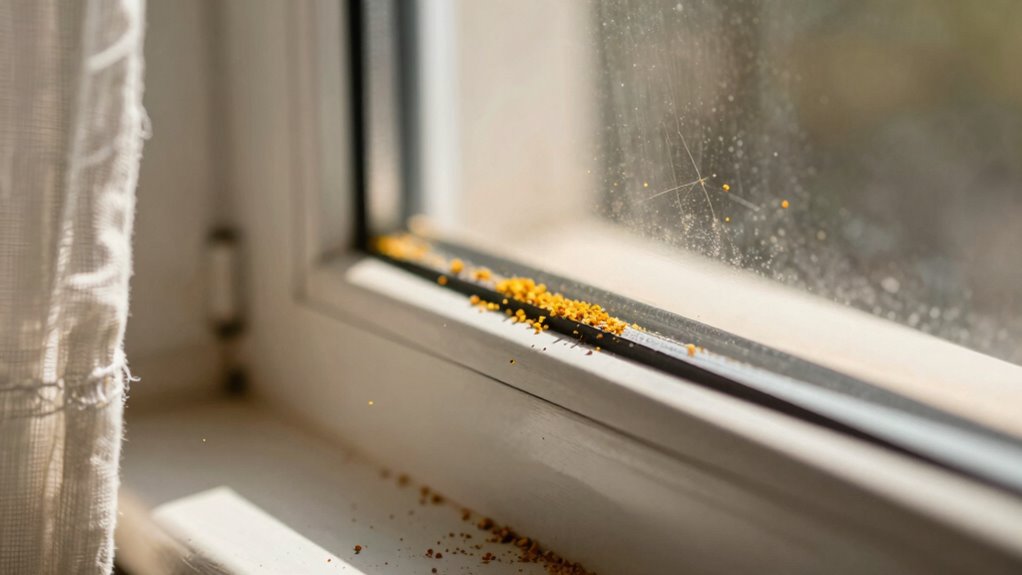
Even when your house looks sealed, tree pollen can sneak inside through tiny gaps around doors and windows. It also clings to clothes, shoes, and pets, which can bring pollen indoors without you realizing. Standard filters often don’t catch microscopic pollen particles, making it easier for them to enter your space. To truly minimize pollen infiltration, it’s helpful to understand these sneaky entry points and routine steps you can take—stay tuned for practical ways to keep pollen out.
Prime for Young Adults — start your free trial
Fast free delivery, streaming and member deals for eligible 18–24 year olds.
As an affiliate, we earn on qualifying purchases.
Key Takeaways
- Tiny gaps around windows and doors allow pollen to enter despite sealing efforts.
- Pollen can hitch a ride on clothing, shoes, and pets, bringing it indoors.
- Standard filters often fail to trap microscopic tree pollen particles.
- Pollen settles on surfaces and fabrics, lingering even in sealed homes.
- Indoor plants and open ventilation can also introduce or circulate pollen inside.
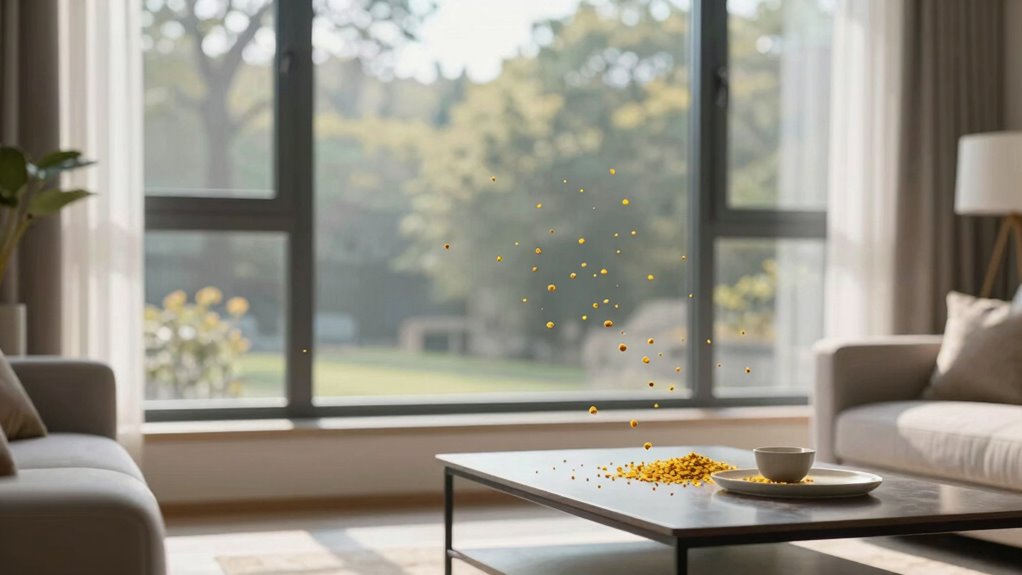
During springtime, tree pollen often drifts indoors, turning your living space into an unexpected allergy zone. Even if you’ve sealed your windows and doors tightly, pollen can still find its way inside. It’s sneaky, slipping through tiny gaps, or hitching a ride on your clothes, shoes, and pets. This is why, despite your efforts, your home might still feel pollen’s unwelcome presence.
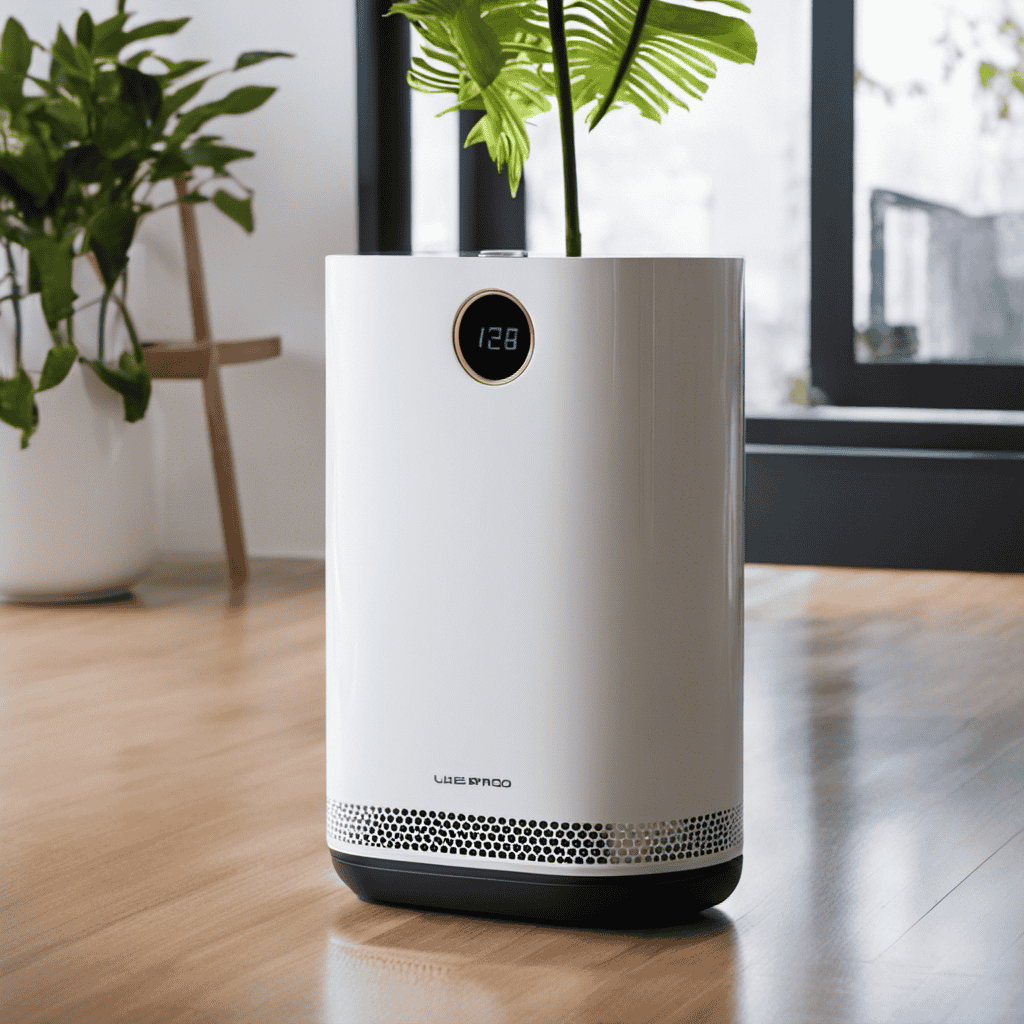
One of the key ways pollen sneaks in is through air filtration systems that aren’t designed to block microscopic particles like pollen grains. Standard filters may catch larger dust or pet dander, but they often let pollen pass through. Upgrading to high-efficiency particulate air (HEPA) filters can make a noteworthy difference. These filters are capable of trapping pollen, keeping it out of your indoor air and reducing allergy symptoms. Regularly changing or cleaning your filters ensures they perform at their best, helping you breathe easier. Additionally, understanding indoor air quality can motivate you to implement these strategies more effectively.
Indoor plants, while beautiful and beneficial for air quality, can also contribute to pollen indoors. Many plants produce pollen, and when you bring them inside, you may unknowingly introduce tiny pollen particles into your environment. If you’re sensitive, it’s best to choose low-pollen varieties or keep plants outside during peak pollen seasons. When you do keep them inside, make sure to clean the leaves frequently and avoid overwatering, which can cause mold growth and further impact indoor air quality. Moreover, some indoor plants can emit pollen or mold spores that worsen allergies, so selecting low-pollen varieties is essential.
Despite your best efforts, pollen can cling to fabrics, curtains, and furniture, lingering long after you’ve closed windows. Dust and vacuum regularly to remove pollen particles settled on surfaces. Using a vacuum with a HEPA filter can markedly cut down airborne pollen that settles on floors and upholstery. Additionally, keeping your home well-ventilated with air purifiers helps continuously filter out pollen from the air, creating a cleaner environment. Recognizing pollen infiltration as a common challenge highlights the importance of comprehensive strategies to keep indoor air clean. Practicing these habits consistently can significantly reduce pollen accumulation inside your home.
It’s also smart to pay attention to your daily habits. Take off your shoes at the door to prevent tracking pollen inside. Shower and change clothes after spending time outdoors during high pollen seasons. These small steps reduce the amount of pollen you bring into your home, limiting how much sneaks indoors.
In essence, even when your house looks sealed tight, pollen can find its way inside through air filtration gaps, your indoor plants, and everyday activities. By investing in proper air filtration, choosing the right indoor plants, and maintaining good cleaning habits, you can considerably cut down on pollen’s intrusion. This way, you create a more comfortable, allergy-friendly space during the pollen season.
As an affiliate, we earn on qualifying purchases.
Frequently Asked Questions
Can Tree Pollen Enter Through Small Cracks in Windows or Doors?
Yes, tree pollen can enter through small cracks in windows or doors. Pollen infiltration often occurs via crack vulnerabilities you’ve overlooked, allowing tiny particles to sneak inside even if your house looks sealed. These small gaps act like open doors for pollen, especially during peak seasons. Sealing these cracks with weatherstripping or caulk can considerably reduce pollen infiltration, helping you keep indoor air cleaner and more comfortable during allergy season.
Do Indoor Plants Contribute to Pollen Levels Inside?
Indoor plants can contribute to allergen spread, but their pollen levels are usually low compared to outdoor sources. Did you know that some studies show indoor plants release pollen or spores that affect indoor air quality? While they add beauty and improve humidity, they can slightly increase allergen levels indoors, especially if you have sensitive allergies. To minimize this, choose low-pollen plants and guarantee proper ventilation to reduce allergen spread.
How Do HVAC Systems Affect Indoor Pollen Circulation?
HVAC systems influence indoor pollen circulation by controlling airflow patterns and air filtration. When your system’s filters are outdated or ineffective, pollen can circulate freely, especially if airflow isn’t properly managed. Regularly replacing filters and ensuring your system uses high-efficiency air filtration help trap pollen particles. Proper airflow patterns also prevent pollen from settling in certain areas, reducing indoor pollen levels and improving overall air quality.
Can Pollen Stick to Clothing and Be Brought Inside?
Yes, pollen can stick to your clothing and be brought inside. Clothing contamination occurs when pollen transfer happens as you walk through pollen-heavy areas. When you come indoors, pollen may cling to your clothes, shoes, or accessories, then transfer onto furniture, carpets, or your skin. To minimize this, change clothes and shoes outside or in a designated mudroom, and wash your clothes regularly to reduce indoor pollen levels.
Are There Specific Seasons When Indoor Pollen Levels Increase?
Oh, absolutely. During peak seasonal variations, pollen dispersal skyrockets, making your sealed house just a fancy trap. Spring and early summer are notorious for indoor pollen spikes, as trees release their pollen with gusto. Even if your windows stay shut, the pollen finds sneaky ways inside, hitchhiking on clothing or sneaking through tiny cracks. So, brace yourself—these seasons turn your home into a pollen playground.
Conclusion
Even when your home feels sealed tight, tree pollen finds its way inside, like an unwelcome guest slipping past a locked door. It’s a sneaky invader, riding on the breeze or hitching a ride through tiny cracks. So, you see, no matter how secure your house seems, nature’s little infiltrators are always ready to surprise you. Stay vigilant and keep those pollen sneaks at bay, or you might just find your sanctuary turned into an indoor garden of sneezes.
Fall Picks
fall essentials
As an affiliate, we earn on qualifying purchases.