
TL;DR

Get garden gear delivered free — and shop member deals
- Fast, free delivery on millions of items
- Access to Prime Big Deal Days deals on October 6–7
- Prime Video, Amazon Music and more included
Many consumers are unsure whether to buy a humidifier, dehumidifier, or air purifier. Experts recommend assessing specific air quality concerns to choose the right device. This article clarifies when each is needed and why it matters.
Consumers often struggle to decide whether they need a humidifier, dehumidifier, or air purifier, as each serves different purposes. Experts advise assessing individual health concerns and environmental conditions to determine the appropriate device, which can improve indoor air quality and comfort.
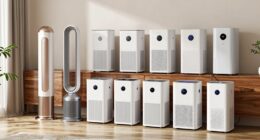
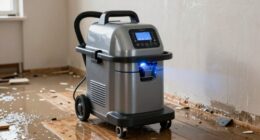
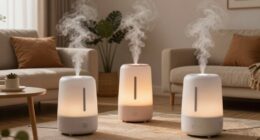
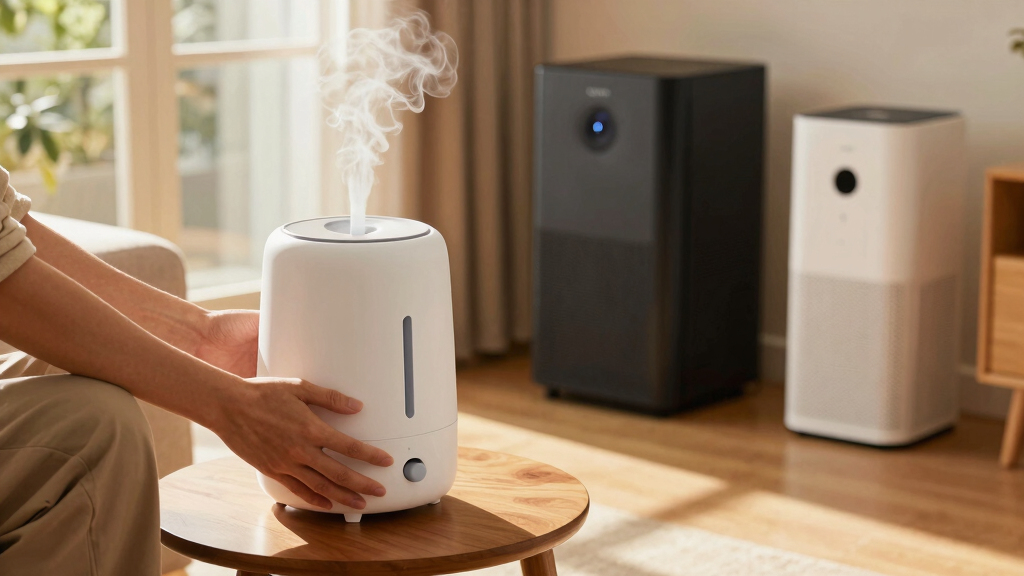
Recent guidance from health and home environment experts emphasizes that choosing between a humidifier, dehumidifier, and purifier depends on specific indoor air issues. Humidifiers add moisture to dry air, beneficial in winter or dry climates, and can help alleviate respiratory symptoms. Dehumidifiers reduce excess moisture, preventing mold growth and dust mite proliferation, especially in humid environments. Air purifiers filter airborne pollutants, allergens, and pathogens, improving overall air quality regardless of humidity levels.
According to the American Lung Association, improperly balanced humidity levels can worsen respiratory conditions or promote mold growth. Experts recommend measuring indoor humidity with a hygrometer before selecting a device. For example, humidity levels below 30% can cause dry skin and irritation, while levels above 60% increase mold risk. The choice of device should align with these measurements and specific health concerns, such as allergies or asthma.
Why It Matters
This guidance matters because the wrong device can fail to address indoor air quality issues or even worsen them. For instance, using a humidifier in a humid climate might promote mold, while a dehumidifier in a dry environment may cause dryness and discomfort. Proper device selection can improve health, reduce allergy symptoms, and prevent mold or dust mite problems, ultimately enhancing overall well-being and home comfort.
As an affiliate, we earn on qualifying purchases.
Background
Indoor air quality has become a growing concern, especially as many people spend more time indoors. The market for air quality devices has expanded, with consumers often confused about which product best suits their needs. Historically, humidifiers have been used in winter to combat dry air, while dehumidifiers gained popularity in humid climates. Air purifiers have seen increased demand due to concerns over airborne allergens and pollutants. Experts note that improper use of these devices can lead to unintended health issues, emphasizing the importance of understanding their specific functions.
“Choosing the right device depends on accurately assessing your indoor humidity and air quality. Using the wrong device can do more harm than good.”
— Dr. Emily Carter, Indoor Air Quality Specialist
“A humidifier isn’t always the answer, especially in already humid environments. Similarly, a dehumidifier can be unnecessary in dry climates.”
— John Miller, Home Appliance Expert
What Remains Unclear
It is still unclear how many consumers accurately assess their indoor air conditions before purchasing these devices, and whether manufacturers will provide clearer guidance on usage and suitability.
What’s Next
Industry experts suggest that consumers should conduct indoor humidity measurements and consult health professionals if necessary. Manufacturers may also start offering more detailed guidance on selecting and using these devices effectively. Future developments could include smarter devices that automatically adjust based on real-time air quality data.
Key Questions
How do I know if I need a humidifier or dehumidifier?
Use a hygrometer to measure indoor humidity. If levels are below 30%, a humidifier may help. If above 60%, a dehumidifier is recommended.
Can I use an air purifier instead of a humidifier or dehumidifier?
Only if your primary concern is airborne pollutants or allergens. Air purifiers do not control humidity levels.
Are there health risks associated with using these devices improperly?
Yes. Overuse of humidifiers can promote mold growth, while dehumidifiers in dry environments can cause dryness and irritation. Proper assessment and usage are essential.
Should I consult a professional before choosing an air quality device?
Yes. Health professionals or indoor air quality specialists can help determine your specific needs based on indoor conditions.
Fall Picks
fall essentials
As an affiliate, we earn on qualifying purchases.