To improve air quality in gyms and manage aerosols during exercise, increase ventilation by adding exhaust fans and strategically placing vents near activity areas. Use portable HEPA air purifiers to trap airborne particles and guarantee filters are regularly checked and replaced. Combine proper airflow with filtration to reduce odors, aerosols, and pathogen spread, creating a safer workout environment. Want to ensure your gym stays fresh and healthy? Keep exploring for practical tips on optimizing indoor air quality.
Key Takeaways
- Increase ventilation with high-volume exhaust fans and strategically placed air vents to ensure continuous fresh air exchange.
- Use HEPA-filtered air purifiers near workout stations to capture aerosols and reduce airborne contaminants.
- Position filtration devices close to high-traffic areas and maintain regular filter replacements for optimal efficiency.
- Combine enhanced ventilation with air filtration to effectively decrease aerosols, odors, and pathogen spread during exercise.
- Regularly monitor and maintain air quality systems to promote a safer, healthier indoor environment for gym users.
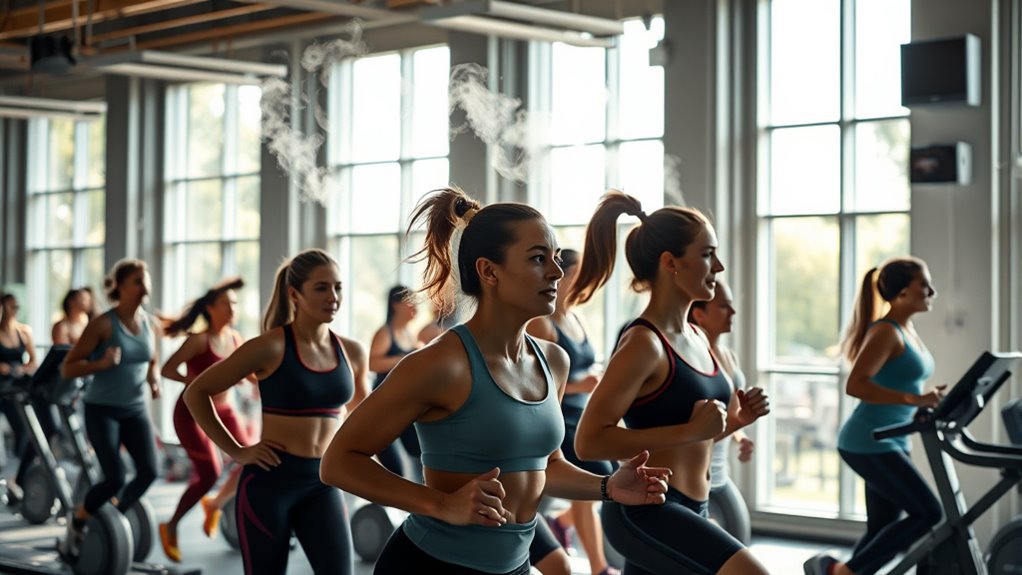
Have you ever wondered how fresh the air feels during your workout? It’s a feeling many gym-goers crave, but maintaining that fresh atmosphere requires deliberate effort. One of the most effective ways to improve air quality involves implementing smart ventilation strategies and advanced air filtration systems. These elements work together to reduce airborne contaminants, including aerosols and pathogens, making your workout safer and more enjoyable. Proper ventilation strategies are key because they control how air moves within the space. By increasing airflow and ensuring fresh air replaces stale indoor air, you considerably cut down on the buildup of carbon dioxide, odors, and potentially harmful aerosols that are released when you breathe, talk, or sweat. For instance, using high-volume exhaust fans or strategically placing air vents near activity zones can help draw contaminated air out and bring in clean, oxygen-rich air from outside. This continuous exchange keeps the environment feeling lighter and less stuffy.
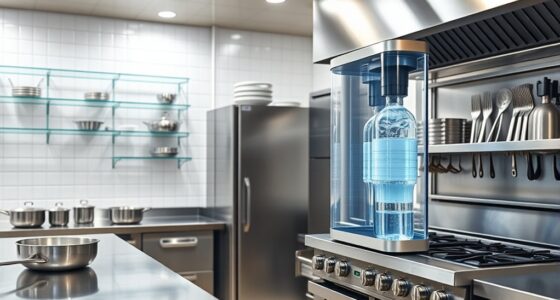
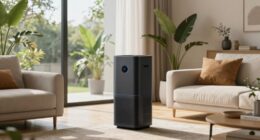
Alongside ventilation strategies, air filtration systems play an essential role in maintaining high air quality. HEPA filters are especially effective because they trap tiny airborne particles, including viruses, bacteria, and dust, which are often invisible but pose health risks. When integrated into your gym’s HVAC system or as standalone units, air filtration systems actively scrub the air, capturing aerosols before they circulate or settle. This is particularly important during high-intensity workouts where breathing rate increases, and more aerosols are expelled into the environment. Installing portable air purifiers equipped with HEPA filters in different zones of the gym can further enhance air cleaning, especially in areas with limited ventilation.
It’s also important to consider the placement of these systems. Positioning air filtration units near high-traffic areas, workout stations, or cardio equipment ensures the air is cleaned directly where aerosols are most concentrated. Regular maintenance, such as replacing filters and checking airflow rates, guarantees these systems operate at peak efficiency. Combining ventilation strategies with air filtration systems isn’t just about keeping the air fresh; it’s about creating a safer environment that minimizes the risk of respiratory infections and enhances your overall workout experience. When your gym employs both approaches effectively, you’ll notice a marked difference—less stuffiness, fewer odors, and a cleaner, healthier atmosphere that encourages longer, more vigorous exercise sessions. So, next time you hit the gym, appreciate the behind-the-scenes efforts that keep the air fresh, and know that thoughtful ventilation and filtration are key to your safety and comfort.
Frequently Asked Questions
How Does Mask-Wearing Impact Exercise Performance in Gyms?
Wearing a mask during your workout may slightly reduce respiratory comfort, but it generally doesn’t substantially impact your workout intensity. You might notice some breathing resistance, especially during high-intensity exercises, but most people adapt quickly. Masks help protect others and improve air quality, so you can stay safer while still maintaining your fitness goals. Adjust your pace if needed, and focus on steady breathing to minimize any discomfort.
What Are the Most Effective Air Filtration Systems for Gyms?
You need the most powerful air filtration systems—think of them as the superheroes of gym air quality. HEPA filters trap tiny aerosols with incredible efficiency, while UV sterilization zaps germs on contact. Combining these technologies creates a fortress of clean air, drastically reducing airborne contaminants. Invest in systems that integrate HEPA filters and UV sterilization, and you’ll breathe easier, knowing you’re fighting back against indoor air pollution like an unstoppable force.
Can Indoor Plants Improve Air Quality During Workouts?
Indoor plants can improve air quality during workouts by filtering indoor air and increasing oxygen levels. Plant benefits include removing toxins and humidity, creating a fresher environment. During exercise, this helps reduce airborne pollutants and aerosols, making your workout safer and more comfortable. Keep in mind that plants alone won’t replace proper ventilation or air filtration systems, but they do contribute positively to overall indoor air quality.
How Often Should Gym Equipment Be Disinfected to Prevent Aerosol Spread?
You should disinfect gym equipment after each use to prevent aerosol spread. Follow strict disinfectant protocols, ensuring you use appropriate sterilization products that kill germs effectively. Regular equipment sterilization reduces the risk of transmitting viruses and bacteria, creating a safer workout environment. Make it a habit to wipe down all surfaces, especially high-touch areas, to maintain hygiene standards and protect everyone during exercise.
Are There Specific Ventilation Strategies for High-Intensity Training Areas?
Imagine your gym as a living organism, breathing in and out. To keep high-intensity zones fresh, you should implement targeted ventilation strategies, like creating dedicated ventilation zones that direct airflow efficiently. Optimize airflow by installing high-capacity exhaust fans and ensuring proper air circulation. Use air purifiers in these zones, and regularly monitor airflow patterns. This approach guarantees aerosols are swiftly carried away, keeping your high-intensity area safe and invigorating.
Conclusion
By managing aerosols in gyms, you create a safer space for everyone. While intense workouts push your limits, good ventilation and air quality protect your health, balancing effort with safety. It’s easy to forget that your breath, like everyone’s, can carry unseen risks. But with simple steps, you can turn your gym into a haven of clean air. After all, true strength lies not just in muscle, but in caring for the environment you share.