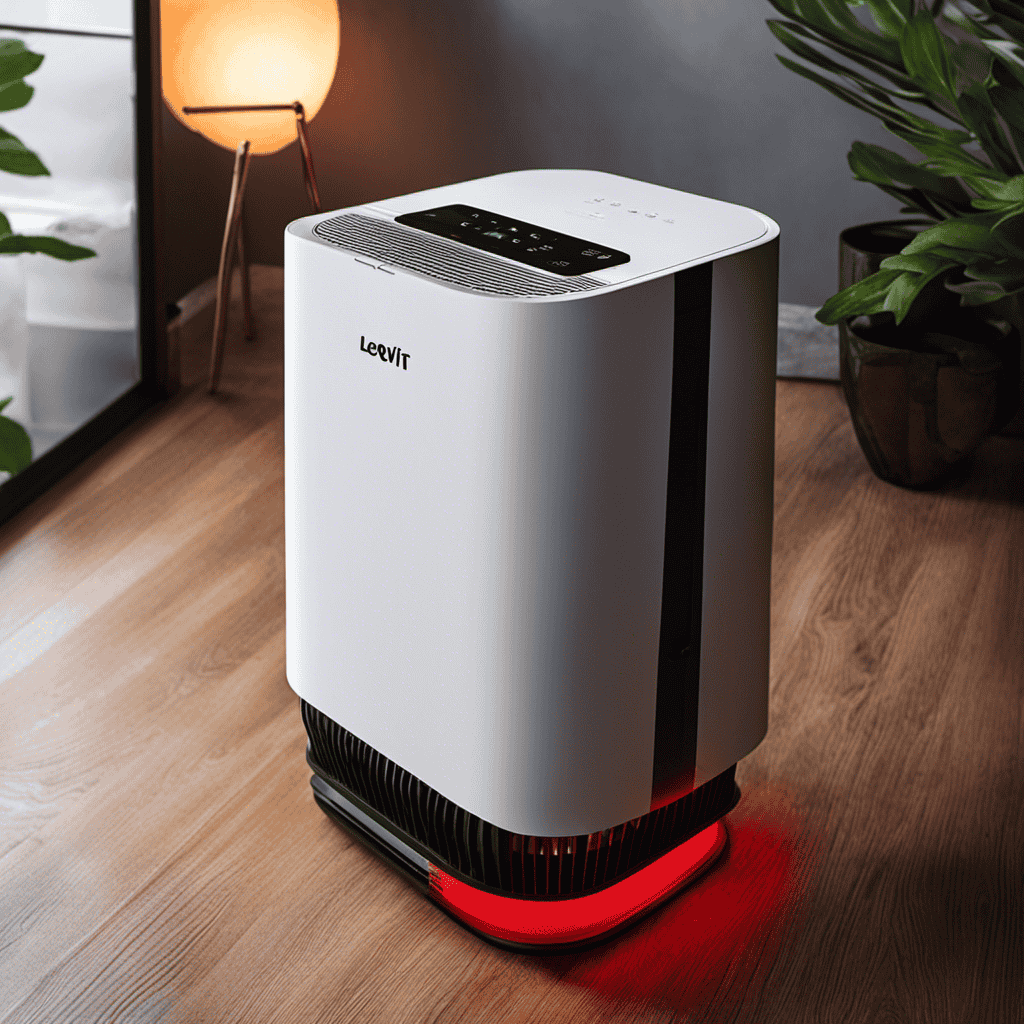
To manage allergens in homes with dogs and cats, you should regularly groom and brush your pets outside or in well-ventilated areas to reduce dander. Keep your home clean by vacuuming with a HEPA filter and washing bedding often. Use HEPA air purifiers and create pet-free zones, especially in bedrooms. Ensuring your pets stay healthy and well-cared-for also helps lower shed and dander. If you’re interested, you’ll find helpful tips on creating a safer, more allergen-friendly environment as you continue.
Key Takeaways
- Regular grooming with pet-safe shampoos and brushes reduces loose fur and dander.
- Use HEPA filters and air purifiers to trap airborne allergens and improve indoor air quality.
- Designate pet-free zones, especially bedrooms, to minimize allergen exposure.
- Frequently wash pet bedding, soft furnishings, and vacuum with HEPA-equipped vacuums.
- Maintain pet health through proper nutrition and veterinary care to reduce excessive shedding and dander.

Living with dogs and cats can bring joy, but it also means managing allergens that can affect your health. Pet dander, saliva, and skin flakes often trigger allergic reactions, making it essential to adopt strategies that minimize these allergens in your home. One of the most effective ways to reduce allergen levels is through regular pet grooming. By frequently bathing and brushing your pets, you remove loose fur and skin flakes that carry allergens. Using a high-quality brush and pet-safe shampoos helps keep shedding to a minimum, which in turn reduces airborne allergens. Grooming your pets outside or in well-ventilated areas can prevent indoor allergen buildup, making your living space more comfortable.
Regular grooming and outdoor baths reduce pet allergens and keep your home comfortable.
Allergen prevention isn’t just about grooming; it involves a combination of habits and environmental controls. Regularly cleaning your home is crucial—vacuuming with a HEPA filter vacuum cleaner captures tiny dander particles that traditional vacuums might miss. Pay extra attention to areas where your pets spend a lot of time, like carpets, rugs, furniture, and bedding. Washing pet bedding and soft furnishings weekly further cuts down allergen accumulation. The goal is to create an environment that limits pet dander circulation, helping you breathe easier and reducing allergy symptoms.
Another key aspect of allergen prevention is establishing pet-free zones within your home. Designate certain rooms, like your bedroom, as pet-free areas, especially since you spend many hours there. This creates a sanctuary where allergen levels are lower, giving you relief when needed most. Additionally, using HEPA air purifiers throughout your home can markedly improve indoor air quality by trapping airborne particles, including pet allergens. Keep windows open when weather permits, allowing fresh air to circulate and dilute allergen concentrations indoors.
You also need to be mindful of your pet’s diet and health. Regular vet checkups ensure your pets are healthy, which can reduce excessive shedding or skin issues that increase allergen spread. Proper nutrition supports healthier skin and coat, decreasing the amount of dander they shed. Combining consistent grooming, diligent cleaning, and environmental controls creates a complete allergen prevention plan. While managing pet allergens requires effort, these steps empower you to enjoy the companionship of your dogs and cats without compromising your health. By staying proactive, you make your home a safer space for both your pets and yourself.
Frequently Asked Questions
Can Allergy Symptoms Improve Without Removing Pets From the Home?
Yes, allergy symptoms can improve without removing pets from your home. Regular pet grooming helps reduce the amount of dander and hair that trigger allergies. Additionally, allergen reduction strategies like frequent cleaning, using HEPA filters, and washing bedding can make a big difference. By consistently implementing these steps, you may notice fewer allergy symptoms and enjoy your time with your pets without needing to part ways.
Are There Specific Breeds Less Likely to Trigger Allergies?
Yes, some breeds are less likely to trigger allergies due to breed differences in allergy triggers. Hypoallergenic breeds like Poodles, Bichon Frises, and Portuguese Water Dogs shed less dander, reducing allergy symptoms. You should consider these breed differences when choosing a pet if allergies are a concern. Regular grooming and cleaning can also help minimize allergen buildup, making it easier to live comfortably with your furry friend.
How Often Should Pet Bedding Be Washed to Reduce Allergens?
You should wash your pet bedding at least once a week to reduce allergen buildup. Regular washing helps remove pet dander, saliva, and dust mites that accumulate over time. Use hot water and a gentle detergent to effectively break down allergens. If your pet has allergies or spends a lot of time on their bedding, consider washing it more frequently, like every few days, to keep allergen levels low and improve indoor air quality.
Do Air Purifiers Effectively Eliminate Pet Allergens?
Air purifiers can be effective for pet allergen filtration, especially high-quality models with HEPA filters. They help reduce airborne pet allergens like dander, hair, and saliva particles, improving indoor air quality. However, they don’t eliminate all allergens and work best when combined with regular cleaning, washing pet bedding, and grooming. For ideal results, choose an air purifier designed for pet allergen removal and run it continuously in your living space.
Are Hypoallergenic Pets Truly Allergen-Free?
Hypoallergenic pets aren’t completely allergen-free; they’re more like gentle rain, not a clear sky. Many hypoallergenic misconceptions exist—these pets still produce pet allergen levels, just less than typical animals. While they can reduce allergy symptoms, they won’t eliminate them entirely. If you’re allergic, it’s wise to spend time with a hypoallergenic pet first, so you understand how your body reacts before bringing one home.
Conclusion
By implementing these allergen management tips, you create a healthier home where both you and your pets can thrive. Sometimes, it’s funny how a simple vacuuming routine coincides with discovering a new favorite spot your dog likes to nap. Staying consistent not only reduces allergens but also deepens your bond with your furry friends. In the end, a cleaner home becomes a little sanctuary—where unexpected moments of comfort and connection happen just when you need them most.

In the dynamic world of air purifiers and clean air advocacy, Aire stands out as a beacon of knowledge and passion. As the Editor in Chief of Aero Guardians, Aire has been instrumental in shaping the platform’s voice and direction, ensuring that every piece of content resonates with clarity, authority, and authenticity.