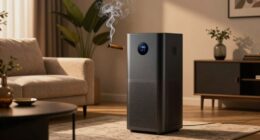
Indoor air contains microplastics from sources like synthetic textiles, household dust, and degraded plastic products, which can be inhaled and impact your health. Measurement methods include air sampling and microscopy to identify particle levels. While health concerns are still being studied, reducing microfiber shedding and improving ventilation can help lower exposure. To learn more about how these particles affect you and ways to minimize them, explore further insights into indoor microplastic management.
Key Takeaways
- Microplastics in indoor air originate from synthetic textiles, household dust, degraded plastics, and activities like cleaning and opening containers.
- Measurement methods include air sampling with filters, microscopy, and spectroscopic analysis to quantify airborne microplastic particles.
- Inhalation of microplastics can pose health risks such as respiratory irritation, inflammation, and potential long-term effects.
- Reducing indoor microplastics involves using HEPA filters, natural fabrics, minimizing plastic use, and improving ventilation.
- Ongoing research aims to better understand exposure levels, health impacts, and effective mitigation strategies for indoor microplastic pollution.

Microplastics are increasingly present in indoor air, often unnoticed yet potentially harmful. These tiny particles originate from various sources of contamination within our homes and workplaces. Common origins include synthetic textiles like polyester and nylon fibers shed during washing or wearing, household dust from plastic furniture, carpets, and upholstery, as well as degraded plastic products such as packaging, cleaning supplies, and electronic devices. Even indoor activities like vacuuming or opening plastic containers can release microplastics into the air. Understanding these sources helps you recognize where contamination occurs and how it might affect your health.
Microplastics in indoor air come from synthetic textiles, household dust, and degraded plastic products, affecting health and environment.
Mitigation strategies focus on reducing the release and accumulation of microplastics indoors. Regularly cleaning with vacuum cleaners equipped with HEPA filters can trap microplastics before they become airborne. Using high-efficiency air purifiers can also help capture these tiny particles, reducing your overall exposure. Switching to natural fabrics such as cotton or wool for clothing and furniture covers minimizes fiber shedding. Washing synthetic textiles less frequently or using filters in washing machines can considerably cut down on fiber release. Additionally, minimizing the use of plastic products when feasible, opting for glass or metal alternatives, can decrease the source of microplastic contamination. Ensuring good ventilation by opening windows or using exhaust fans helps disperse microplastics and reduces their concentration indoors.
You should also be mindful of the materials in your environment. For example, replacing plastic curtains with fabric options or avoiding plastic-based cleaning tools can lessen the microplastic burden in your air. Regularly dusting surfaces with damp cloths prevents stirring up settled particles into the air, further lowering exposure. Maintaining a clean and well-ventilated space is essential because it disrupts the cycle of particle accumulation and resuspension. Incorporating air quality awareness into your routine can help you stay informed about indoor pollutant levels and take appropriate action.
While complete elimination of microplastics indoors might be challenging, these mitigation strategies can notably reduce their levels and potential health risks. Being aware of the sources of contamination allows you to make informed choices about your environment and daily habits. Small adjustments—like choosing natural materials, improving air filtration, and maintaining cleanliness—can make a considerable difference in decreasing microplastic presence in your indoor air. This proactive approach not only promotes cleaner air but also contributes to your overall well-being, especially as research continues to explore the long-term health effects of microplastic inhalation.
Frequently Asked Questions
How Do Microplastics Enter Indoor Air Environments?
You can find microplastics in indoor air environments through dispersal from various sources. Microplastic dispersal occurs when fibers from textiles, plastic particles from household items, or degraded plastic materials become airborne. These particles enter indoor air pathways via activities like cleaning, opening windows, or even just moving around. Once airborne, they can circulate throughout your indoor space, making inhalation a potential health concern.
Are Certain Household Items Major Sources of Indoor Microplastics?
Certain household items are major sources of indoor microplastics, especially household textiles and plastic furniture. As you use textiles like carpets, curtains, and clothing, tiny plastic fibers are released into the air. Plastic furniture also sheds microplastics over time, especially when disturbed or worn. These microplastics become airborne, increasing your exposure and raising health concerns. To reduce this, consider choosing natural materials and regularly cleaning to minimize fiber shedding.
What Are the Long-Term Health Effects of Inhaling Microplastics?
You might not notice it, but inhaling microplastics could subtly influence your long-term health. While research is ongoing, frequent exposure may lead to chronic respiratory issues and impact your immune system over time. These tiny particles could gradually challenge your body’s defenses, making you more susceptible to illnesses. Being aware and minimizing exposure helps protect your health, ensuring you breathe easier and stay resilient against potential health concerns.
Can Air Purifiers Effectively Remove Microplastics Indoors?
Yes, air purifiers can effectively reduce microplastics indoors. Look for purifiers with high filter efficiency, such as HEPA filters, which trap tiny particles including microplastics. Different purifier types, like HEPA or activated carbon filters, target specific pollutants. Make sure your device is appropriately sized for your space and maintained regularly. By choosing the right purifier, you can markedly lower microplastic levels and improve indoor air quality.
How Do Microplastic Concentrations Vary Across Different Indoor Spaces?
You’ll find that microplastic distribution varies widely across indoor spaces, substantially impacting indoor air quality. High-traffic areas, such as living rooms and kitchens, tend to have higher concentrations due to constant activity and plastic wear. Conversely, bedrooms or less-used rooms often have lower levels. Factors like ventilation, furniture, and cleaning habits influence this distribution, so understanding these variations helps you manage and reduce indoor microplastic exposure effectively.
Conclusion
As you breathe indoors, tiny microplastics quietly float around, a reminder of how our everyday environment silently impacts us. It’s a coincidence that something so small can carry such weight for our health, often unnoticed until it’s too late. By understanding and addressing these invisible pollutants, you hold the power to protect yourself and loved ones. Sometimes, it’s the smallest things that make the biggest difference—don’t ignore what’s quietly inside your home.