
Microplastics have become a hidden indoor pollutant you might unknowingly breathe in from household items like synthetic textiles and deteriorating plastics. They settle into your air through activities like washing, cleaning, and using plastic products. To reduce exposure, you can choose natural textiles, improve ventilation, and use air purifiers with HEPA filters that trap tiny fibers. If you want to explore effective methods to tackle this emerging threat, keep exploring the solutions available to you.
Key Takeaways
- Microplastics are increasingly recognized as indoor pollutants originating from textiles, household items, and deterioration of plastics.
- Airborne microplastics pose health risks by inhalation, impacting indoor air quality and requiring effective filtration.
- HEPA filters effectively trap microplastic fibers as small as 0.3 microns, making them suitable for indoor air purification.
- Regular maintenance and timely replacement of filtration systems ensure optimal removal of microplastics from indoor environments.
- Strategies like reducing synthetic textile use, sealing entry points, and using air purifiers help minimize indoor microplastic contamination.
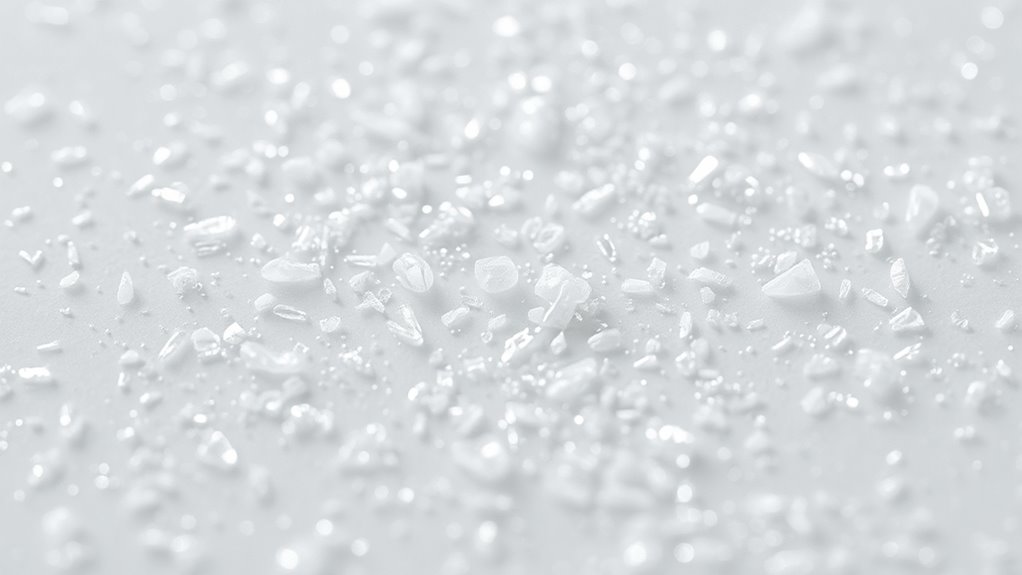
Microplastics have become an overlooked yet significant indoor pollutant, infiltrating homes through everyday activities and household items. These tiny particles don’t just float around unnoticed; they settle into the air you breathe, cling to surfaces, and even find their way into your personal belongings. Understanding how microplastics become airborne is essential because they often travel as airborne particles, making their way into your living space through open windows, ventilation systems, or even during cleaning routines. Once in the air, these particles can pose health risks, especially if they are inhaled regularly. That’s why proper filtration technologies are vital for reducing airborne microplastics and protecting indoor air quality.
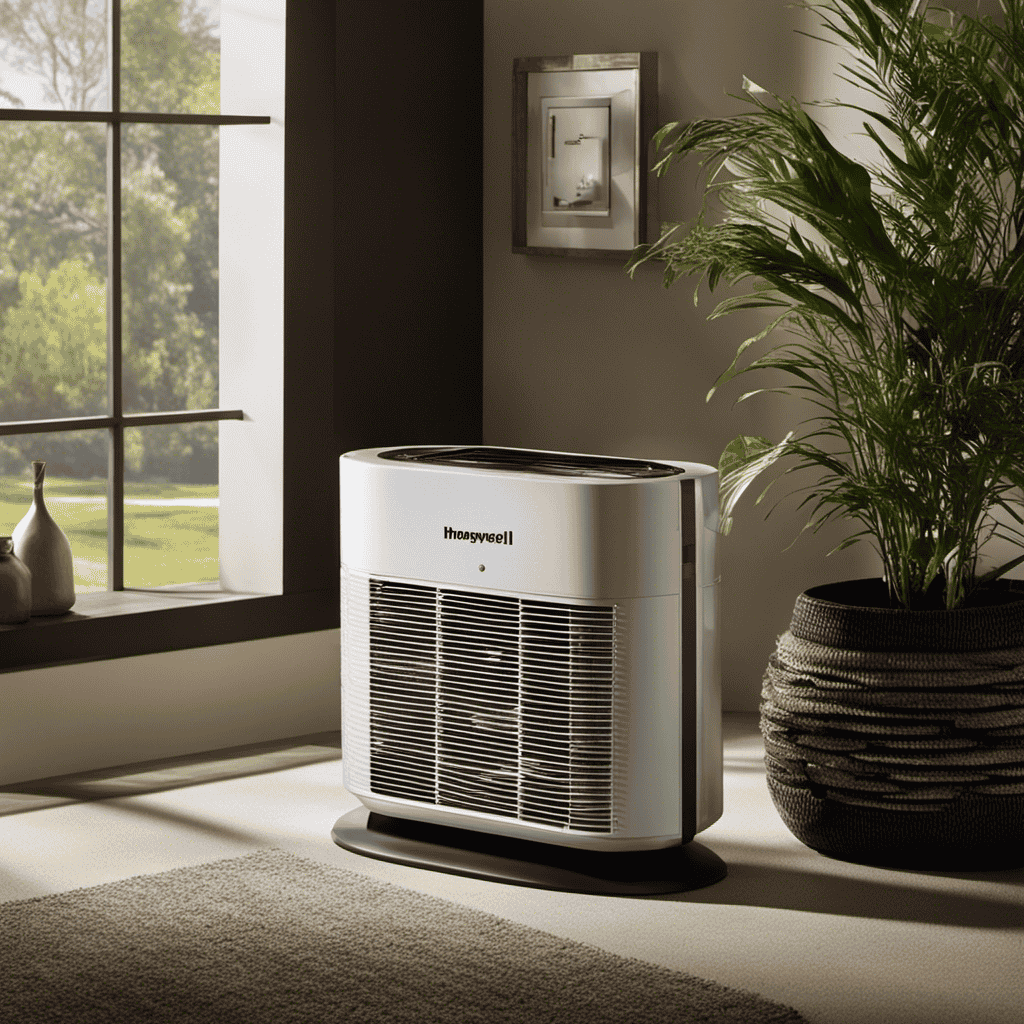
Airborne particles, including microplastics, can come from a variety of household sources—synthetic textiles like clothing and upholstery, plastic packaging, or even deteriorating household items. As these materials break down over time, they release microplastic fibers into the air, which can be inhaled deep into your lungs. To combat this, advanced filtration technologies play a pivotal role. HEPA filters, for instance, are designed to trap tiny particles as small as 0.3 microns, effectively capturing many microplastic fibers suspended in indoor air. These filters are often integrated into air purifiers and HVAC systems, providing a steady defense against microplastic pollution.
Household sources like textiles and deteriorating items release microplastic fibers into indoor air.
Choosing the right filtration system depends on your specific indoor environment. HEPA filters excel in removing airborne microplastics but should be used alongside activated carbon filters if you also want to address odors and volatile organic compounds. Regular maintenance of these filtration devices is vital to make sure they perform at their best. Over time, filters become clogged with trapped particles, reducing their effectiveness. Replacing filters according to manufacturer recommendations guarantees that airborne microplastics don’t bypass filtration and continue to circulate in your living space. Additionally, understanding the filtration technologies available can help you select the most effective system for microplastic removal.
In addition to using filtration technologies, you can reduce indoor microplastic levels by minimizing activities that release fibers and particles. Washing clothes less frequently, using air purifiers during cleaning, and opting for natural textiles over synthetic ones all help lower the amount of airborne microplastics. Sealing gaps around doors and windows, and maintaining good ventilation, also help prevent outdoor microplastics from entering your home.
Frequently Asked Questions
How Do Microplastics Affect Indoor Air Quality Long-Term?
Long-term respiratory exposure to microplastics can lead to health issues as these particles accumulate in your indoor environment. Over time, microplastic buildup may cause irritation, inflammation, or even deeper lung problems. You might not notice immediate effects, but persistent inhalation increases risks of respiratory conditions. To protect yourself, guarantee proper filtration and ventilation, reducing microplastic accumulation indoors and minimizing long-term health impacts.
Are Certain Household Materials More Likely to Release Microplastics?
Did you know that synthetic fibers from clothing can release up to 700,000 microplastic particles per wash? Certain household materials, like synthetic textiles, are more likely to shed microplastics, especially plastic debris in carpets, upholstery, and curtains. These materials constantly release tiny fibers into the air, contributing to indoor microplastic pollution. To reduce exposure, consider choosing natural fibers and maintaining your textiles regularly, which can help limit the release of these pollutants.
Can Plants or Natural Filters Effectively Remove Microplastics Indoors?
Plant filtration and natural removal can help reduce microplastics indoors, but they aren’t fully effective alone. You can use houseplants to trap some microplastics on leaves or in soil, but their capacity is limited. Combining natural removal methods with physical filters like HEPA air purifiers offers a more thorough approach. While plants contribute, relying solely on them won’t eliminate all microplastics. You should adopt multiple strategies for better indoor air quality.
What Are the Most Cost-Effective Filtration Solutions for Microplastics?
You can find affordable filters like high-efficiency particulate air (HEPA) filters or DIY filtration setups using materials like activated carbon and fine mesh. These options are cost-effective and easy to implement, effectively capturing microplastics indoors. DIY filtration allows you to customize solutions based on your budget and needs, offering a practical way to reduce indoor microplastic pollution without expensive equipment. Regular maintenance improves their efficiency over time.
How Do Microplastics Enter Indoor Environments From External Sources?
You might not realize it, but outdoor pollution gently finds its way inside through building ventilation systems and open windows. As outdoor air carries tiny microplastics from sources like vehicle emissions, industrial activity, and litter, these particles hitch a ride indoors. Poorly maintained filters or ventilation can allow microplastics to enter your living space, gradually accumulating and impacting indoor air quality without obvious signs.
Conclusion
In conclusion, recognizing and removing microplastics requires mindful measures and meticulous methods. By mastering modern filtration techniques and maintaining clean, controlled conditions, you can mitigate microplastic menace indoors. Embrace effective efforts to eliminate these tiny toxins, transforming your space into a safer, cleaner sanctuary. Stay vigilant, vigilant, and vigilant again—because preventing pollution begins with proactive practices. Protect your place, prioritize purity, and promote a pristine, pollutant-free environment today.