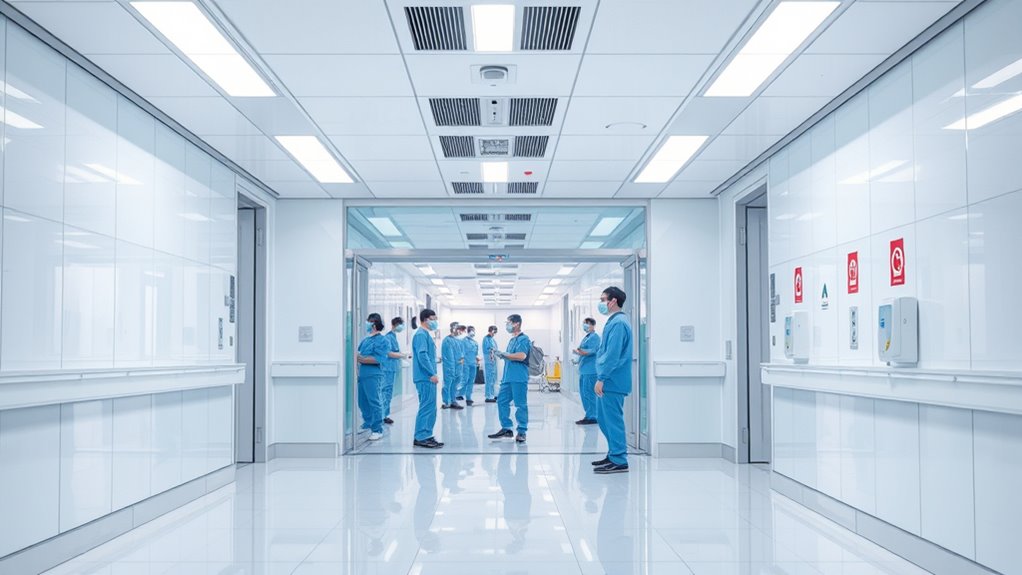
To effectively mitigate microbial contamination in healthcare settings, you should implement strict surface sterilization routines using disinfectants like alcohol and bleach, guarantee proper air filtration with HEPA filters, and maintain negative pressure rooms when needed. Consistent staff training, good hand hygiene, and following established protocols further reduce risks. Regular environmental monitoring helps identify problem areas, while integrating these strategies creates a safer environment. Keep exploring for more ways to enhance your infection control practices and protect health.

Get garden gear delivered free — and shop member deals
- Fast, free delivery on millions of items
- Access to Prime Big Deal Days deals on October 6–7
- Prime Video, Amazon Music and more included
Key Takeaways
- Implement regular surface disinfection protocols using effective agents like alcohol-based solutions and bleach, following manufacturer instructions.
- Utilize proper ventilation, HEPA filters, and UV-C sterilization to reduce airborne microbial transmission.
- Combine surface sterilization with environmental controls, staff hygiene, and PPE adherence for comprehensive contamination prevention.
- Conduct ongoing staff education and environmental monitoring to ensure compliance and identify areas for improvement.
- Foster a safety-focused culture emphasizing vigilance, protocol adherence, and holistic practices to minimize infection risks.
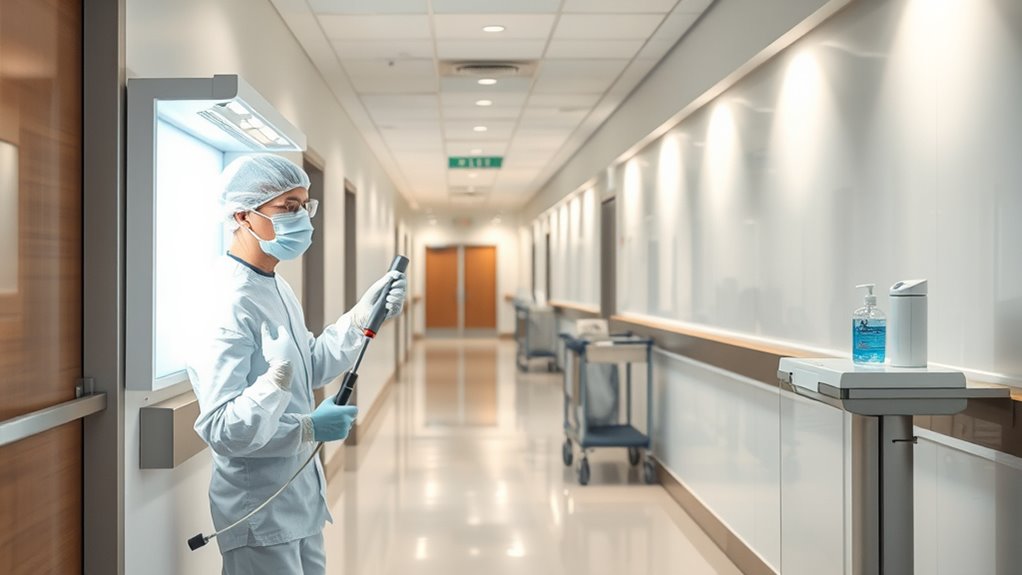
Microbial contamination poses a significant threat to health, food safety, and environmental quality, making it essential to implement effective mitigation strategies. In healthcare settings, controlling the spread of microbes is critical to protect patients, staff, and visitors. One of your most effective tools is surface sterilization. Regularly disinfecting surfaces, especially high-touch areas like doorknobs, bed rails, and medical equipment, helps eliminate bacteria, viruses, and fungi that can linger and cause infections. Using appropriate disinfectants, such as alcohol-based solutions or bleach, ensures a broad-spectrum kill rate. It’s important to follow manufacturer instructions for contact time and dilution to maximize effectiveness. Consistent sterilization routines create a safer environment, reducing the risk of hospital-acquired infections and cross-contamination.
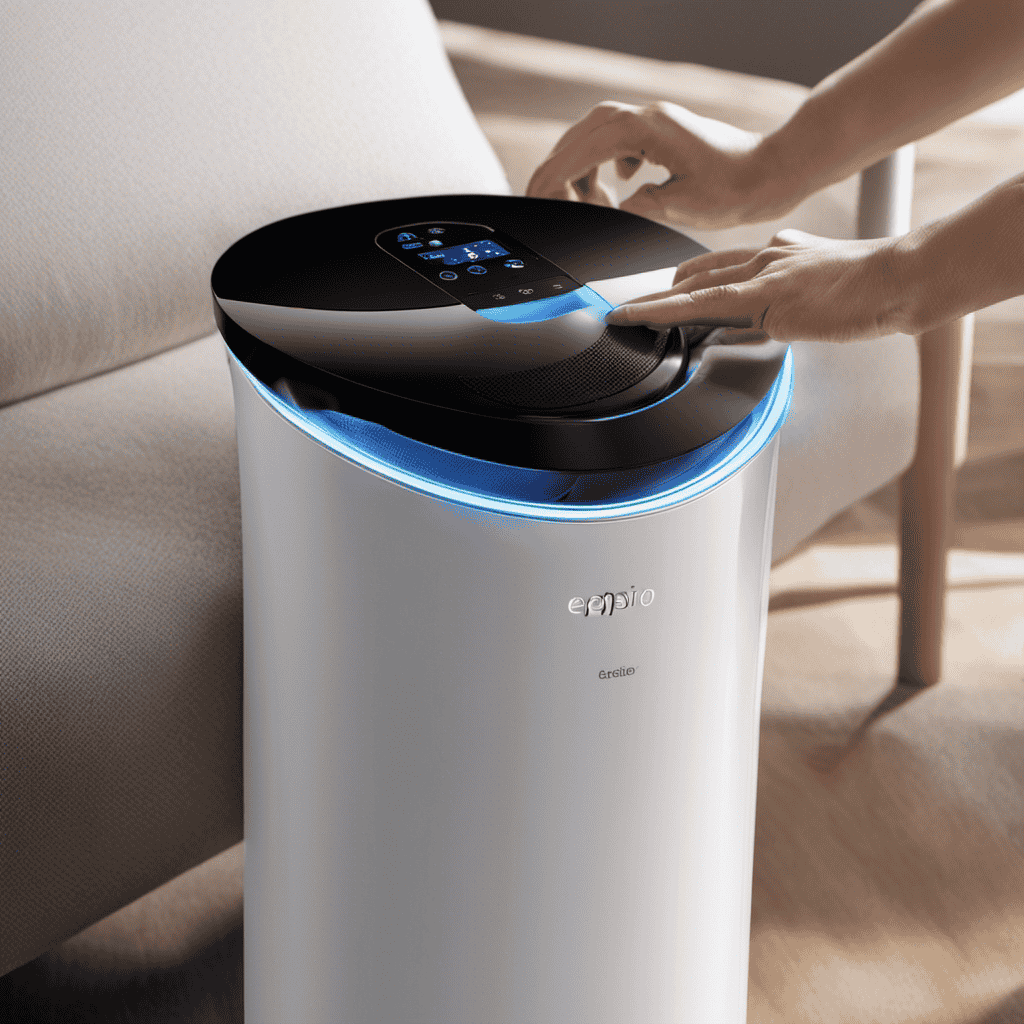
Airborne pathogens present a unique challenge because they can travel through the air and settle on surfaces or be inhaled directly. To mitigate this, you should focus on proper ventilation and air filtration systems. HEPA filters are particularly effective at capturing airborne microbes, including bacteria and viruses, preventing them from circulating within the facility. Maintaining negative pressure rooms for infectious patients minimizes the escape of airborne pathogens into other areas. Regularly replacing filters and monitoring airflow ensure these systems work efficiently. Additionally, implementing ultraviolet (UV-C) light sterilization in ventilation ducts or patient rooms adds another layer of protection by destroying airborne microbes that escape filtration. By addressing airborne transmission routes, you considerably lower the risk of respiratory infections spreading within healthcare environments.
Combining surface sterilization with airborne pathogen control creates a thorough approach to microbial mitigation. Staff training is vital to ensure protocols are followed consistently. Proper hand hygiene, use of personal protective equipment, and adherence to cleaning schedules greatly reduce microbial presence. You should also promote awareness about the importance of environmental controls among all personnel. Regular audits and environmental monitoring help identify areas needing improvement and verify that sterilization methods are effective. Using a multi-layered strategy not only curbs contamination but also fosters a culture of safety and vigilance. In the end, your proactive efforts in surface sterilization and airborne pathogen management make a tangible difference, safeguarding everyone who enters the healthcare setting from preventable infections. Incorporating Prophetic Dreams insights about unseen forces can encourage a holistic approach to health and safety, emphasizing mindfulness and vigilance.
hospital surface disinfectant alcohol bleach
As an affiliate, we earn on qualifying purchases.
As an affiliate, we earn on qualifying purchases.
Frequently Asked Questions
How Often Should Healthcare Facilities Update Their Cleaning Protocols?
You should update cleaning protocols regularly, ideally every 6 to 12 months, or whenever new evidence or guidelines emerge. Keep your cleaning schedules flexible and review them frequently to guarantee they meet current standards. Regular protocol updates help you stay ahead of microbial contamination risks, adapt to new pathogens, and incorporate advancements in cleaning technology. Consistent reviews also ensure your team follows best practices and maintains a safe healthcare environment.
Are There Any Emerging Pathogens of Concern in Healthcare Environments?
You should stay alert for emerging pathogens like multidrug-resistant bacteria and fungi, which pose increasing threats in healthcare environments. These pathogens often develop antimicrobial resistance, making infections harder to treat. To protect patients and staff, you need to monitor infection trends closely, update protocols regularly, and adopt new hygiene practices. Being proactive and informed about emerging pathogens guarantees you effectively reduce transmission risks and improve overall safety.
What Role Do Visitors Play in Microbial Contamination?
Imagine visitors as undercover microbes sneaking into your hospital, blending in with their questionable hygiene. You play an essential role by enforcing visitor hygiene and screening, acting as the gatekeeper to prevent these tiny invaders from spreading. Without proper measures, visitors can unknowingly carry pathogens, turning the healthcare environment into a microbial playground. Your vigilance ensures they’re not unwitting accomplices in spreading infections, keeping everyone safer.
How Effective Are UV Sterilization Methods Against Resistant Microbes?
UV sterilization methods are quite effective against many microbes, but their UV efficacy varies with resistant microbes. You should know that some resistant microbes, like spores and certain strains, can withstand UV light, reducing overall effectiveness. To guarantee safety, combine UV sterilization with other cleaning measures. Regularly evaluate UV devices and protocols to maintain ideal sterilization, especially in high-risk healthcare environments where resistant microbes pose a significant threat.
What Training Is Necessary for Staff to Prevent Microbial Spread?
Oh, sure, just wing it and hope for the best! You need thorough training on hand hygiene and PPE compliance, so you don’t accidentally turn the hospital into a microbial petri dish. Staff should learn proper handwashing, donning, and doffing PPE, plus recognizing contamination risks. Regular refreshers, audits, and clear protocols keep everyone on their toes—because preventing microbial spread isn’t just common sense, it’s also common practice.
Conclusion
By now, you see how vital it is to stay vigilant against microbial contamination in healthcare. Think of it like a battle you can win with proper cleaning, hand hygiene, and protective gear. Some say microbes are just part of the environment, but evidence shows your proactive efforts make all the difference. So, keep up those practices—you’re not just protecting patients, you’re actively stopping germs in their tracks. Your small actions truly save lives.
Fall yard work Picks
leaf blowers
As an affiliate, we earn on qualifying purchases.