Implementing advanced water and air purification systems in your cooking school or commercial kitchen helps keep your environment safe, hygienic, and efficient. Proper filtration removes contaminants, bacteria, chlorine, and sediments from water, while air purification tackles smoke, grease, and VOCs for a healthier workspace. Regular maintenance ensures these systems work at peak performance, protecting both staff and students. Stay with us to discover how these solutions can transform your culinary environment effectively.
Key Takeaways
- Implement advanced water filtration systems to remove contaminants, ensuring safe and clean water for cooking and cleaning.
- Use high-efficiency air purification units with HEPA filters to eliminate airborne grease, smoke, and VOCs.
- Integrate water and air systems for seamless performance, maintaining strict safety and hygiene standards.
- Conduct regular maintenance and filter replacements to optimize system efficiency and prevent contamination risks.
- Enhance overall kitchen safety, hygiene, and operational efficiency through reliable purification solutions tailored for commercial cooking environments.
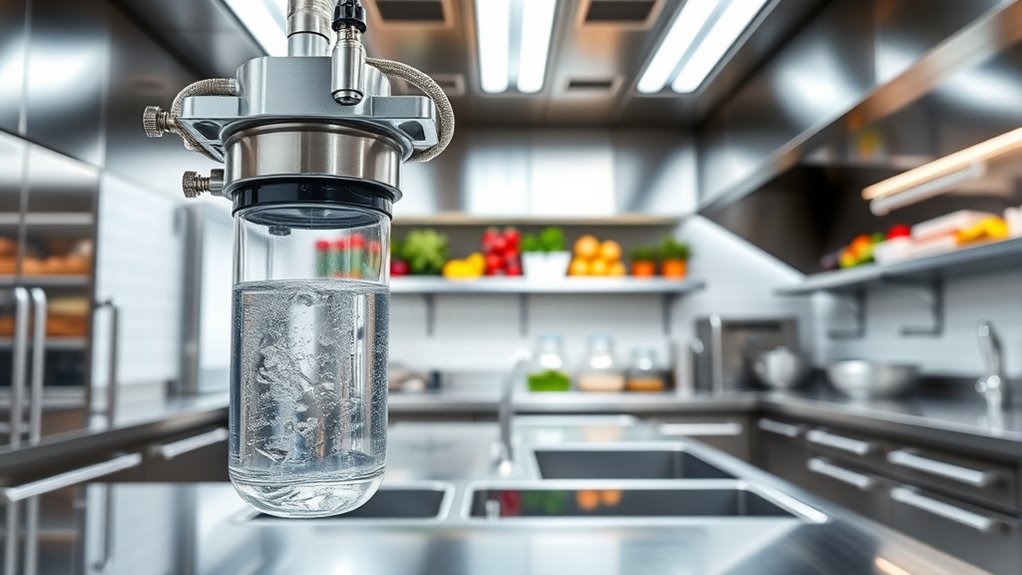
Maintaining a high standard of air quality is essential for cooking schools and commercial kitchens to guarantee safety and efficiency. When it comes to creating a clean and healthy environment, water filtration and air purification play crucial roles. These systems aren’t just about comfort; they directly impact the safety of your staff and students, as well as the quality of the food you prepare. Proper water filtration ensures that every drop of water used in your kitchen is free from contaminants, bacteria, and impurities that could compromise hygiene or cause illness. Installing advanced filtration units helps remove chlorine, sediments, and other pollutants, providing clean water for cooking, cleaning, and even drinking. This not only boosts safety but also extends the lifespan of appliances like dishwashers and coffee machines, which rely heavily on quality water.
Proper water filtration ensures hygiene, safety, and extends appliance lifespan in commercial kitchens.
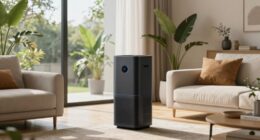
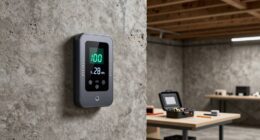
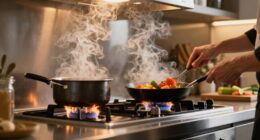
Air purification, on the other hand, targets airborne contaminants that can linger in a busy kitchen environment. Cooking produces smoke, grease particles, and volatile organic compounds (VOCs), all of which can degrade air quality if not managed correctly. An effective air purification system actively captures these pollutants, preventing them from spreading throughout the facility. This leads to a healthier workspace, reducing the risk of respiratory issues for staff and students, and maintaining a comfortable environment that promotes productivity. When selecting air purification units, look for those with high-efficiency particulate air (HEPA) filters, which can trap microscopic particles, including bacteria and viruses, that might otherwise circulate freely. Additionally, the importance of regular maintenance cannot be overstated to ensure these systems operate at peak performance.
Integrating water filtration and air purification systems into your kitchen setup is more than just a health measure; it’s a strategic investment. These systems are designed to work seamlessly together, ensuring that both the air you breathe and the water you use meet strict safety standards. Proper maintenance and timely filter replacements are vital, so you should establish a routine check to keep everything functioning optimally. Regularly inspecting your filtration units not only guarantees continuous high performance but also prevents costly repairs down the line. Additionally, educating your staff on the importance of these purification systems fosters a culture of safety and cleanliness, further protecting everyone in your culinary environment.
Ultimately, prioritizing water filtration and air purification in your cooking school or commercial kitchen enhances overall hygiene, safety, and efficiency. These systems create a healthier environment, reduce the risk of contamination, and improve the quality of your culinary offerings, ensuring your establishment remains compliant with health standards and provides the best experience for everyone involved.
Frequently Asked Questions
What Are the Latest Advancements in Air Purification Technology?
You’ll find that the latest advancements in air purification technology substantially boost air quality and filtration efficiency. New HEPA filters capture even microscopic particles, while activated carbon filters remove odors and VOCs more effectively. Additionally, UV-C sterilization kills bacteria and viruses, ensuring safer environments. Smart sensors now monitor air quality in real-time, automatically adjusting purification levels. These innovations help you maintain a cleaner, healthier space with improved air quality and efficient filtration.
How Cost-Effective Are Different Purification Systems for Large Kitchens?
You’ll find that cost-effectiveness varies among purification systems. HEPA filters may have higher installation costs but offer excellent air quality, while UV systems often have lower upfront expenses but may need more frequent maintenance. Conduct a cost comparison considering installation costs, ongoing maintenance, and energy use. Choosing the right system depends on your kitchen’s size and air quality needs, ensuring you balance upfront expenses with long-term savings.
Can Purification Systems Be Customized for Specific Cooking Styles?
Yes, you can get customized solutions for your specific cooking styles. Tailored air purification systems are designed to meet your unique needs, whether you’re handling heavy grease, smoke, or odors. By working with providers who offer customized solutions, you guarantee ideal air quality and safety. These systems adapt to your kitchen’s layout and cooking techniques, giving you effective and efficient purification tailored precisely to your requirements.
How Often Should Purification Filters Be Replaced in Commercial Kitchens?
You should replace your purification filters every 6 to 12 months, depending on usage and water quality. Think of filter maintenance as tending a garden—neglect it, and the weeds take over; stay on schedule, and your kitchen’s water stays clear and pure. Follow your replacement schedule closely, and you’ll keep your water flowing smoothly, ensuring every dish is prepared with the freshest, cleanest ingredients.
Are There Eco-Friendly Purification Options Available for Cooking Schools?
Yes, eco-friendly options for purification are available for cooking schools. You can choose sustainable purification systems like carbon filters made from renewable materials or UV sterilization that reduces chemical use. These eco-friendly choices help lower your environmental impact while maintaining water quality. By opting for sustainable purification, you guarantee a healthier environment and promote eco-conscious practices in your culinary education environment.
Conclusion
Implementing effective purification systems in cooking schools and commercial kitchens is essential for maintaining safety and quality. Did you know that contaminated water can harbor over 200 different pathogens? By prioritizing purification, you reduce health risks and guarantee your kitchen operates at peak performance. Investing in proper filtration not only safeguards your students and staff but also boosts your reputation. Stay proactive—clean water is the foundation of a successful and safe culinary environment.