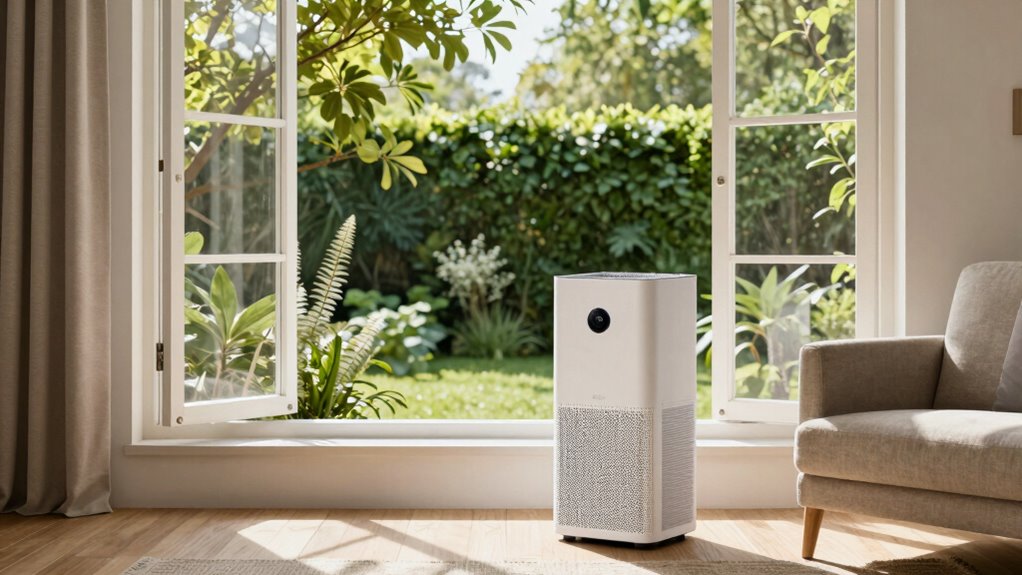

Opening windows can help improve indoor air quality by letting fresh air in and diluting pollutants. However, this only works well when outdoor conditions are clean; if pollution, pollen, or allergens are high outside, keeping windows closed and using air purifiers is more effective. Mechanical ventilation ensures consistent air quality regardless of outdoor conditions, especially during bad weather or pollution spikes. Want to know more about when to rely on windows or purifiers? Keep exploring.

Get garden gear delivered free — and shop member deals
- Fast, free delivery on millions of items
- Access to Prime Big Deal Days deals on October 6–7
- Prime Video, Amazon Music and more included
Key Takeaways
- Air purifiers are effective indoors when windows are closed, preventing outdoor pollutants from entering.
- Opening windows can diminish purifier effectiveness if external air quality is poor or contaminated.
- Purifiers still help during outdoor pollution spikes, especially when windows remain closed for controlled filtration.
- Natural ventilation via open windows benefits indoor air quality only when outdoor air is clean and pollution levels are low.
- Combining window opening with air purifiers is ideal when outdoor air quality is good; rely solely on purifiers when external conditions are poor.
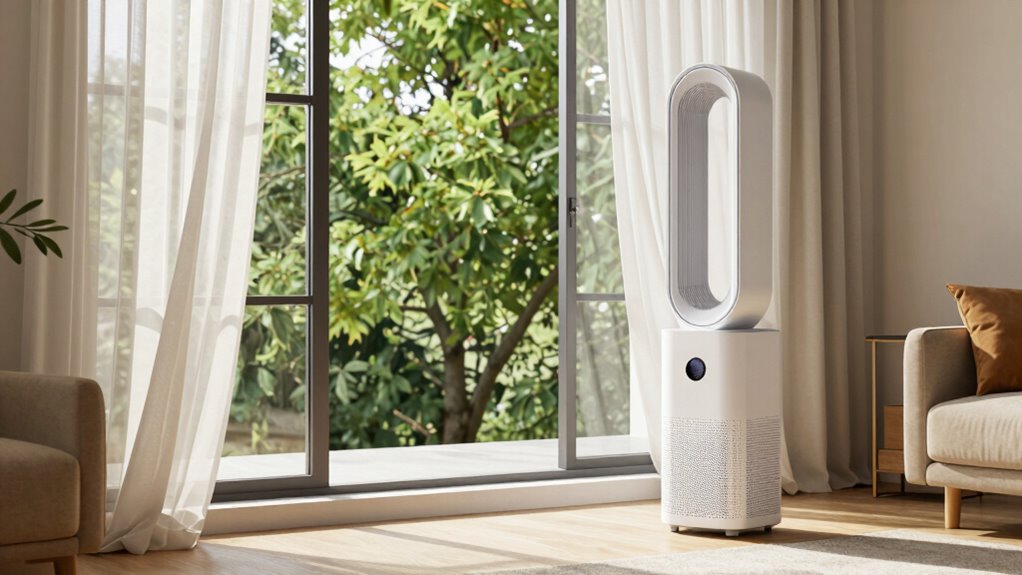
Choosing whether to keep your windows open or closed can considerably impact your comfort, security, and energy efficiency. When it comes to indoor air quality, understanding how airflow patterns and indoor ventilation work is essential. If you open your windows, you allow fresh air to circulate, which can dilute indoor pollutants and improve overall air quality. This natural ventilation fosters a more balanced airflow pattern, drawing in clean air from outside and pushing stale indoor air out. It’s a simple, effective way to refresh your space without relying solely on mechanical systems.
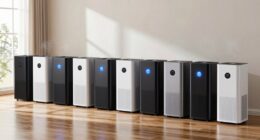
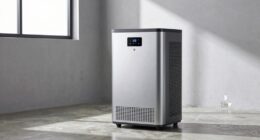
However, the effectiveness of open windows depends heavily on external conditions. If outdoor air quality is poor, or if there’s high pollution, pollen, or allergens outside, opening windows might introduce more contaminants than it removes. In such cases, relying on indoor ventilation—like exhaust fans or air purifiers—becomes essential. These devices can filter out pollutants, allergens, and airborne pathogens, especially when natural ventilation isn’t feasible. A well-placed air purifier can help maintain cleaner indoor air even if you keep your windows closed during high pollution periods.
When outdoor air quality is poor, rely on air purifiers and ventilation systems instead of opening windows.
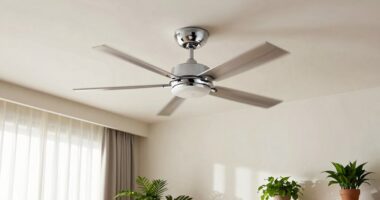
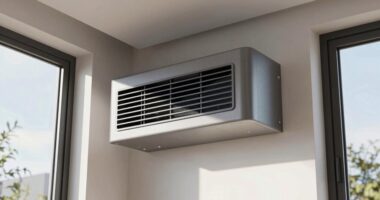
When your windows are closed, indoor ventilation relies more on mechanical systems. Using exhaust fans, HVAC systems, or air purifiers, you can control airflow patterns more precisely. This control allows you to manage indoor air quality more consistently, especially in urban environments where outdoor air quality varies or during extreme weather conditions. If you’re in an area with high outdoor pollution or experiencing allergy season, keeping windows closed while running air purifiers can help maintain a healthier indoor environment. These devices can trap airborne particles, allergens, and odors, providing a cleaner space without depending on outside air.
Yet, closed windows can sometimes lead to stagnation if indoor ventilation isn’t properly managed. Without proper airflow, pollutants can accumulate, leading to discomfort or health issues over time. That’s why continuous operation of air purifiers and ventilation fans is essential when windows are closed. They ensure that indoor air doesn’t become stale and that airflow patterns keep pollutants moving out of the space. In this scenario, the combination of mechanical ventilation and air purification becomes crucial, especially in tightly sealed homes or buildings. Proper indoor ventilation helps prevent the buildup of indoor pollutants and maintains a healthier environment.
Ultimately, deciding whether to keep your windows open or closed hinges on external conditions and your indoor air quality needs. When outdoor air is clean and weather permits, opening windows can be an excellent way to promote natural airflow patterns and enhance indoor ventilation. Conversely, when pollution or allergens are a concern, sealing your windows and relying on air purifiers and ventilation systems offers a practical alternative. Understanding how airflow patterns and indoor ventilation work together helps you make smarter choices for a healthier, more comfortable living space.
air purifier for indoor air quality
As an affiliate, we earn on qualifying purchases.
As an affiliate, we earn on qualifying purchases.
Frequently Asked Questions
How Do Outdoor Pollutants Affect Indoor Air Quality?
Outdoor pollutants can markedly impact your indoor air quality through air exchange and pollutant infiltration. When windows are open, pollutants like pollen, vehicle emissions, and dust enter your home, making the air dirtier. Even with windows closed, some pollutants still infiltrate through small gaps and ventilation systems. Using air purifiers helps remove these particles, but sealing your home and controlling airflow provides better protection against outdoor pollutants.
Can Window Opening Improve Allergies?
Opening your windows can help improve allergies by boosting natural ventilation, like opening a door to fresh air rather than trapping pollen inside. Proper airflow optimization reduces indoor allergens, especially during high pollen seasons. Just like a breeze clears fog from a window, fresh air can clear allergens from your space. However, if outdoor air quality is poor, keeping windows closed might be better. Balance natural ventilation with indoor air quality needs for allergy relief.
What Are the Risks of Leaving Windows Open During Pollution Spikes?
Leaving windows open during pollution spikes risks increased pollutant infiltration, which can worsen your indoor air quality. You may experience more airborne particles and harmful gases entering your home due to uncontrolled air exchange. This can aggravate allergies, asthma, or other respiratory issues. To protect yourself, keep windows closed during high pollution periods and rely on air purifiers with proper filtration to reduce indoor pollutants effectively.
Do Purifiers Work Better With Windows Closed or Open?
Think of your purifier as a lighthouse guiding clean air—it’s most effective with windows closed. When you keep them shut, air exchange is controlled, allowing the purifier to better filter out pollutants and odor. If you open windows, fresh air enters, but pollutants can also come in, reducing the purifier’s efficiency. For maximum odor control and air quality, keep your windows closed while using your purifier.
How Does Ventilation Influence Energy Efficiency?
Ventilation substantially impacts energy efficiency by affecting the air exchange and ventilation rate in your space. When you increase ventilation, more outdoor air enters, which can cool or heat your home, raising energy costs. To balance air quality and efficiency, you should optimize your ventilation rate—using controlled airflow systems or smart ventilation—so fresh air enters without overburdening your heating or cooling systems.
Conclusion
Whether your windows are open or closed, your air purifier can still play a crucial role, but its effectiveness varies. When windows are closed, your purifier filters out indoor pollutants and allergens, creating a cleaner, healthier space. When windows are open, it helps exchange indoor air with fresh outdoor air, reducing indoor contaminants. Knowing when to rely on your purifier and when to open or close windows helps you breathe easier, making your environment safer, fresher, and more comfortable.
Fall Picks
fall essentials
As an affiliate, we earn on qualifying purchases.