Understanding the difference between smoke smell and smoke particles is key after a fire. Smoke smell is the lingering odor caused by volatile compounds settling into your belongings, but it’s just odors. Smoke particles are tiny residues—solid and liquid—that float in the air and cling to surfaces, often containing toxins. Masking the smell doesn’t remove harmful particles or residues. To truly restore safety and air quality, you need to address both—discover how you can do it effectively.

Get garden gear delivered free — and shop member deals
- Fast, free delivery on millions of items
- Access to Prime Big Deal Days deals on October 6–7
- Prime Video, Amazon Music and more included
Key Takeaways
- Smoke smell is an odor caused by volatile compounds, while smoke particles are tiny residues suspended in the air.
- Smoke particles can contain toxins and irritants, posing health risks even if the smell is masked.
- Removing smoke smell requires odor-neutralizing methods, whereas cleaning residues involves specialized cleaning techniques.
- Smoke particles settle into surfaces and porous materials, trapping toxins and odors long-term.
- Effective air quality restoration involves both odor removal and particle filtration to ensure safety and freshness.
When dealing with smoke indoors, it’s important to understand the difference between smoke smell and smoke particles, as they affect your environment in distinct ways. Smoke smell is a perceptible odor that lingers long after the fire has been extinguished. It’s caused by volatile compounds released during combustion, which become airborne and settle into fabrics, furniture, and other surfaces. On the other hand, smoke particles are tiny solid and liquid residues that float in the air and stick to surfaces, creating a layer of residue that’s often invisible but detectable through touch or visual inspection. Recognizing this difference helps you decide how to approach cleaning and air quality improvement.
Understanding smoke smell versus particles helps target effective cleaning and air quality solutions.
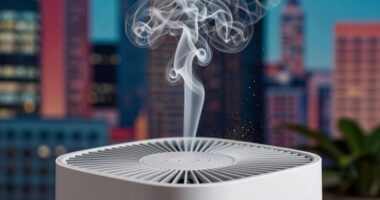
Smoke particles are problematic because they contain airborne toxins, including carcinogens and irritants. These tiny particles can bypass your body’s defenses and settle deep into your lungs, causing health issues over time. They also cling to surfaces, making residue removal essential for thorough cleanup. Simply masking the smell doesn’t eliminate the harmful particles that remain in your environment. To truly improve indoor air quality, you need to address both the airborne toxins and the residue left behind by smoke particles. HEPA filters and air purifiers are effective tools for trapping airborne toxins, which considerably reduces the risk of health problems caused by lingering particles. Ventilation is equally important—opening windows and using fans help dilute airborne toxins and remove smoky odors.
Residue removal is critical because the particles settle into porous materials, trapping residues that can emit odors long after the smoke has been cleared. Use specialized cleaning solutions designed to break down soot and tar deposits, and don’t forget to clean HVAC systems, curtains, upholstery, and carpets thoroughly. These surfaces tend to trap smoke particles, and neglecting them can lead to persistent smells and health concerns. Removing residues also diminishes the presence of airborne toxins, as fewer particles remain suspended in the air. Understanding the composition of smoke particles can help you choose the most effective cleaning methods for your situation. Additionally, understanding the impact of smoke residue on indoor air quality can guide you in prioritizing cleaning efforts. Incorporating proper cleaning techniques can further enhance your efforts to fully eliminate smoke residues.
Furthermore, addressing air circulation can significantly improve the removal of residual particles and odors, ensuring a comprehensive cleanup process. Understanding the distinction between smoke smell and smoke particles empowers you to take targeted action. Eliminating the smell alone won’t get rid of the health hazards posed by airborne toxins and residual particles. Combining proper ventilation, residue removal, and air purification creates an all-encompassing approach to restoring a safe, healthy indoor environment. The key is addressing both aspects in tandem—masking odors isn’t enough; you need to actively remove residues and purify the air to truly clear out the lingering effects of smoke.
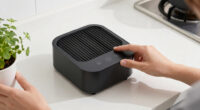
HEPA air purifier for smoke particles
As an affiliate, we earn on qualifying purchases.
As an affiliate, we earn on qualifying purchases.
Frequently Asked Questions
Can Smoke Smell Persist Without Visible Smoke Residues?
Yes, smoke smell can persist without visible residues. You might not see any residue detection, but the odor can cling to porous surfaces and air particles. Odor masking products can temporarily hide the smell, but it often requires thorough cleaning to eliminate smoke particles that cause the odor. Even if residues aren’t visible, the smell can linger, so proper ventilation and deep cleaning are essential for complete removal.
How Long Do Smoke Particles Stay Airborne?
Sure, because who doesn’t love a lingering guest, right? Smoke particles can hover in the air from a few minutes up to several hours, depending on ventilation and particle size. Larger particles settle quickly, but the tiny ones—those sneaky dispersers—can stay airborne for hours, spreading their invisible mischief. So, if you’re wondering about airborne duration and particle dispersion, remember, these tiny troublemakers are experts at avoiding the floor, but they’re not immortal.
Are Smoke Smells Harmful Even if No Particles Are Visible?
Yes, smoke smells can be harmful even if no visible particles are present. Odor perception indicates residual smoke chemicals lingering in the air and on surfaces, which can cause health issues over time. Residue detection shows that smoke particles and chemicals settle, often invisible, but still present. Breathing in these odors can irritate your respiratory system, so it’s essential to ventilate thoroughly and clean affected areas to reduce health risks.
Do Different Types of Smoke Produce Different Smells?
Imagine walking into a forest after a campfire—each smoke type leaves a unique scent. Different smoke sources, like wood, cigarettes, or burning plastics, produce distinct smells, affecting your perception and odor masking efforts. Some smoke scents are stronger or more pungent, making odor masking tricky. Understanding these differences helps you choose the right deodorizer, ensuring you effectively neutralize the smoke scent, regardless of its origin.
Can Cleaning Remove Smoke Smell but Not Particles?
Yes, cleaning methods can often remove smoke smell without fully eliminating smoke particles. Odor absorption techniques, like using activated charcoal or baking soda, target the smell specifically. However, cleaning surfaces with thorough scrubbing or using air purifiers with HEPA filters can help remove particles. Keep in mind, some smell may linger if particles aren’t fully captured, so combining odor absorption with physical cleaning offers the best results.
Conclusion
Understanding the difference between smoke smell and smoke particles can truly change how you approach cleaning and air purification. Did you know that smoke particles can linger in the air for days, even after the smell disappears? This means that simply masking the odor won’t eliminate health risks. By targeting both the smell and the particles, you can create a safer, fresher environment. It’s a small change that makes a big difference in your indoor air quality.
Fall Picks
fall essentials
As an affiliate, we earn on qualifying purchases.