
The stack effect causes warm indoor air to rise, pulling in cooler outside air and creating airflow patterns in your multi-story home. This natural process helps remove indoor pollutants like dust, mold, and VOCs, especially in colder months when temperature differences are greater. However, it can also bring outdoor pollutants inside through gaps and open windows. Understanding how the stack effect influences air movement helps you manage ventilation and improve indoor air quality—there’s more to uncover on this topic.

Get garden gear delivered free with Prime
- Fast, free delivery on millions of items
- Prime Video, Amazon Music and more included
- Member-only deals all year
Key Takeaways
- The stack effect causes warm indoor air to rise, influencing ventilation patterns and pollutant distribution across floors.
- Enhanced airflow during colder months can improve pollutant removal if ventilation is adequate.
- Increased indoor-outdoor temperature differences during winter intensify the stack effect, pulling outdoor pollutants inside.
- Gaps and openings in the home facilitate outdoor pollutant entry, worsening indoor air quality during strong stack effect periods.
- Proper ventilation systems and home design help manage pressure differences, reducing pollutant buildup and improving air quality.
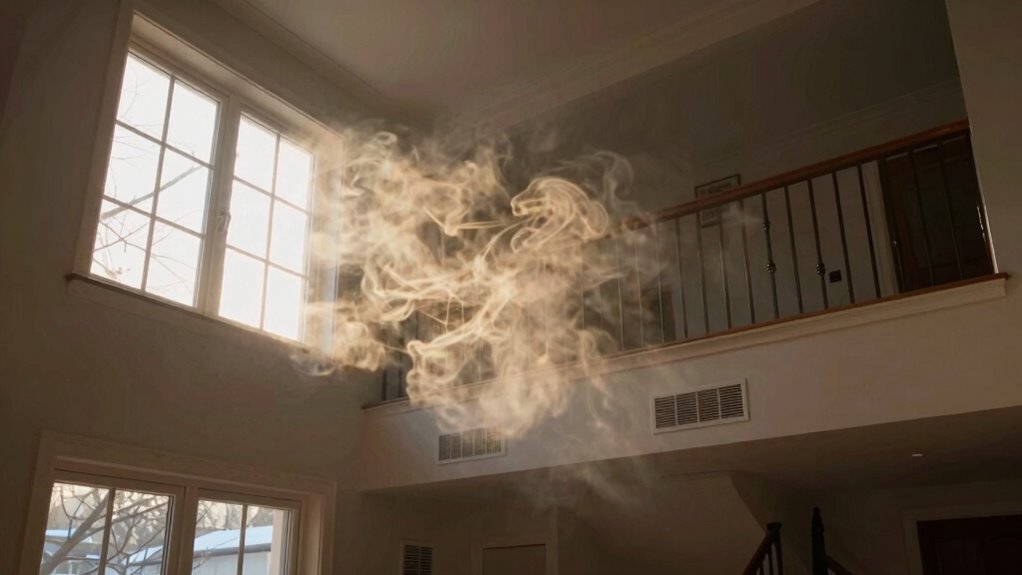
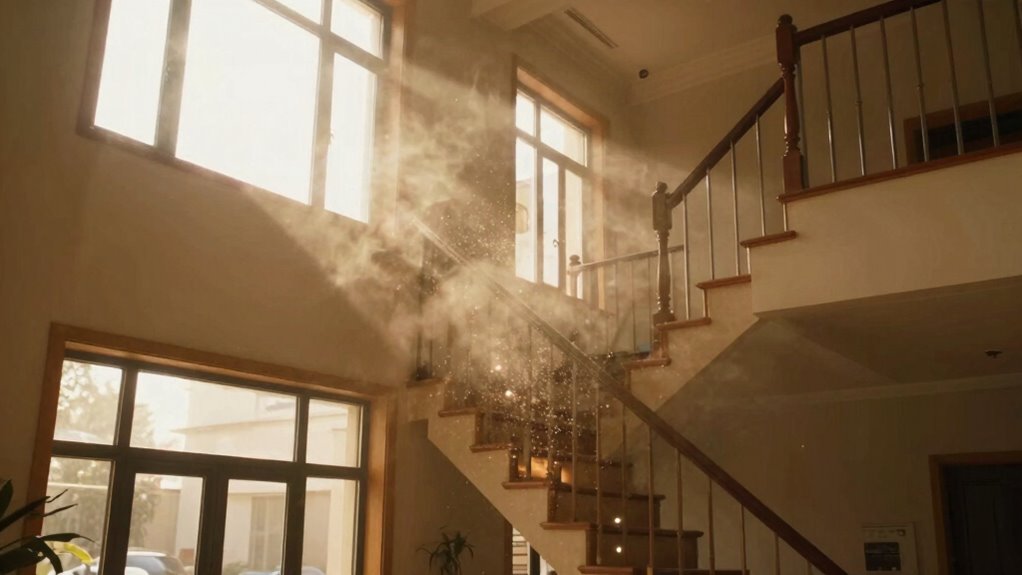
Imagine a warm, sunny winter day in a multi-story home, and you’ll notice how the stack effect naturally moves air through the house. This phenomenon occurs because warm air rises, creating a pressure difference that influences ventilation patterns across different floors. As warm indoor air ascends, it pulls in cooler air from lower levels or even outside, depending on how your home is sealed. This continuous airflow impacts indoor pollutant levels, either diluting or concentrating airborne contaminants based on how the house’s ventilation is functioning.
Warm indoor air rises, creating airflow that influences indoor pollutants and ventilation efficiency.
The stack effect can be a double-edged sword. When your home’s design allows for proper airflow, it helps remove indoor pollutants like dust, pet dander, mold spores, and volatile organic compounds. By promoting consistent ventilation patterns, the rising warm air carries these pollutants away from living spaces, making the air feel fresher and healthier. But if your home isn’t well-ventilated or if vents are blocked, pollutants can become trapped in certain areas. This can lead to higher indoor pollutant levels, especially on lower floors where air tends to settle if it doesn’t circulate properly.
You might notice that during colder months, the stack effect intensifies because the temperature difference between indoor and outdoor air increases. This often results in stronger airflow through gaps in windows, doors, and other openings. If you’re not careful, this can pull in outdoor pollutants such as pollen, vehicle exhaust, or smoke, further affecting your indoor air quality. Conversely, this same effect can cause heated indoor air to escape more quickly, making it harder to maintain a consistent indoor temperature and potentially increasing energy costs. Additionally, understanding how air pressure differences influence ventilation can help you better control indoor airflow and pollutant levels. Properly managing ventilation strategies can significantly improve overall air quality in your home. Recognizing how natural airflow interacts with indoor spaces can also help you implement effective measures to optimize indoor air quality.
Being aware of how home design impacts airflow can guide you in making improvements that enhance ventilation efficiency. Properly integrating ventilation systems such as exhaust fans and air purifiers helps to maintain a healthy indoor environment by controlling pollutant buildup.
In essence, the stack effect is a natural force that shapes how air moves through your home, directly impacting its indoor air quality. By understanding and managing this process, you can improve ventilation patterns, reduce pollutants, and enjoy a more comfortable, healthier living space all year round.
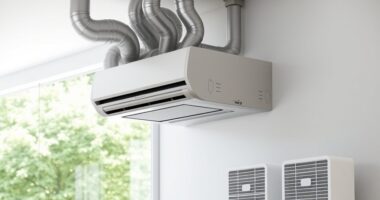
Indoor air quality ventilation system
As an affiliate, we earn on qualifying purchases.
As an affiliate, we earn on qualifying purchases.
Frequently Asked Questions
How Can Residents Reduce Negative Impacts of Stack Effect?
You can reduce the negative impacts of the stack effect by improving indoor air circulation and sealing air leaks. Keep windows open periodically to promote airflow, especially during the day. Use exhaust fans in kitchens and bathrooms to remove indoor pollutants. Seal gaps around doors, windows, and vents to prevent unwanted air movement. These steps help balance indoor pressure, minimize drafts, and improve overall air quality in your multi-story home.
Does Climate Influence the Stack Effect’s Severity?
Climate influence greatly impacts the severity factors of the stack effect. When it’s cold outside, the effect intensifies, pulling in pollutants and compromising your home’s air quality like a relentless tornado. Hot, humid weather lessens the impact but can still cause issues. So, yes, climate plays a critical role, making it essential to adjust your ventilation strategies accordingly. You can’t ignore nature’s power—you must adapt to keep your home safe and healthy.
Are Certain Home Designs More Vulnerable to Stack Effect Issues?
Certain home designs are more vulnerable to stack effect issues, especially those lacking proper attic insulation and poor building orientation. If your attic isn’t well-insulated, warm air escapes easily, increasing pressure differences that draw in pollutants. Similarly, a building oriented to the sun or wind can intensify airflow, exacerbating the stack effect. To reduce risks, guarantee your home has good attic insulation and consider design factors that promote natural airflow control.
What Are the Long-Term Health Effects of Poor Indoor Air Quality?
Imagine breathing in indoor pollutants like dust, mold, and chemicals daily—over time, these irritants can cause respiratory health issues like asthma or chronic bronchitis. Poor indoor air quality silently impacts your lungs and overall health, leading to long-term problems. You might notice persistent coughing, wheezing, or fatigue. Addressing ventilation and air filtration helps protect your respiratory health and reduces the risk of these ongoing health effects.
Can Professional Ventilation Systems Fully Mitigate Stack Effect?
Professional ventilation systems substantially improve indoor airflow and enhance ventilation efficiency, but they can’t fully eliminate the stack effect. You’ll still experience some natural air movement caused by temperature differences, which can influence air quality. Properly designed systems reduce the impact, but for complete mitigation, you might need additional measures like air sealing and controlled exhausts. Regular maintenance ensures these systems work effectively, helping you maintain healthier indoor air.
Conclusion
Understanding how the stack effect influences your home’s air quality helps you stay ahead of potential issues. By recognizing the signs and taking proactive measures, you can improve indoor air and keep your family healthy. Remember, knowledge is power—you don’t want to be caught off guard when conditions change. Stay vigilant, and don’t let the situation spiral out of control; sometimes, it’s the calm before the storm that makes all the difference.
Fall yard work Picks
leaf blowers
As an affiliate, we earn on qualifying purchases.