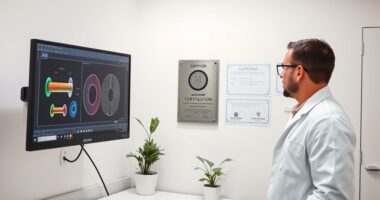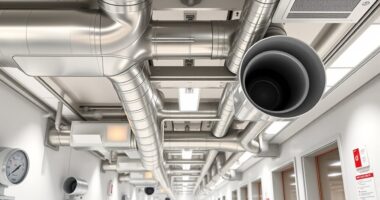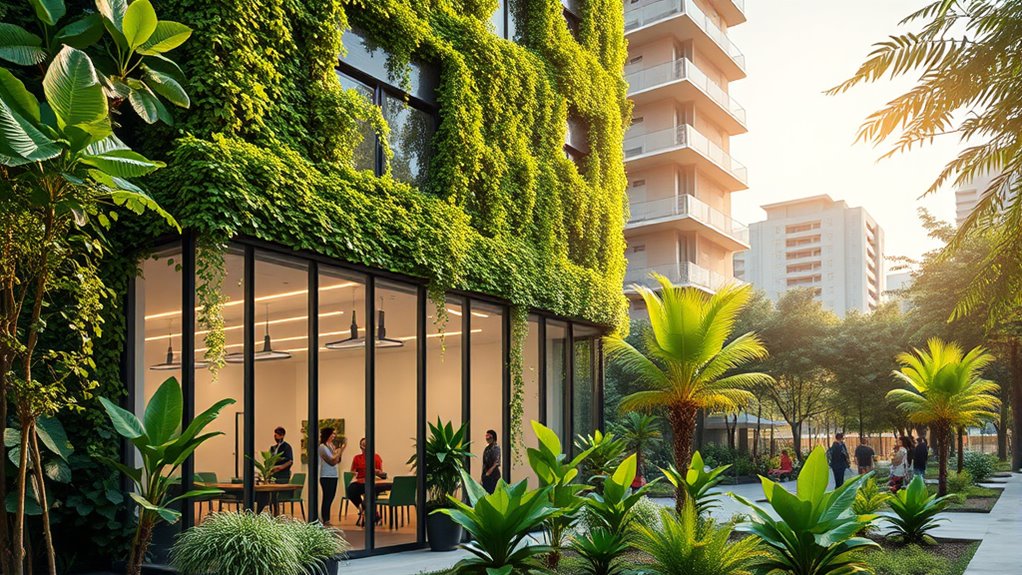

To integrate air quality into green certifications, focus on choosing low-emission materials, installing proper ventilation, and using air purifiers. These practices help reduce indoor pollutants like VOCs, mold, and dust, improving health and comfort. Certifications now include standards for air exchange rates and material safety, encouraging healthier environments. By prioritizing indoor air quality, you support sustainability goals and promote well-being. Discover more ways to create healthier spaces that benefit both people and the planet.

Get garden gear delivered free — and shop member deals
- Fast, free delivery on millions of items
- Access to Prime Big Deal Days deals on October 6–7
- Prime Video, Amazon Music and more included
Key Takeaways
- Green certifications incorporate indoor air quality standards to promote healthier, sustainable building environments.
- Selection of low-emission, non-toxic materials reduces indoor pollutants and supports certification criteria.
- Advanced ventilation and air purification systems are integral to green standards for improved air exchange.
- Continuous air quality monitoring ensures ongoing compliance with health and sustainability benchmarks.
- Prioritizing indoor air quality aligns health benefits with sustainability goals, enhancing occupant well-being.

Have you ever considered how sustainability directly impacts your health? One of the most immediate ways is through indoor air quality, which plays a vital role in your everyday well-being. Many people focus on outdoor air pollution, but indoor air can be just as harmful, especially in buildings that aren’t designed with sustainability in mind. Poor indoor air quality results from a buildup of pollutants like volatile organic compounds (VOCs), mold, dust, and other airborne irritants. These pollutants often originate from household products, building materials, and inadequate ventilation. When these sources aren’t managed properly, they contribute to a decline in indoor air quality, making your living and working environments unhealthy. This is where sustainability and green certifications come into play, emphasizing practices that reduce indoor air pollution and create healthier spaces.
Sustainable building practices prioritize the use of non-toxic, low-emission materials that minimize indoor air pollution. For example, choosing paints, adhesives, and furnishings that are free from VOCs can greatly improve indoor air quality. Proper ventilation systems are also a core component, ensuring a steady exchange of indoor and outdoor air. High-efficiency filters and air purifiers are often integrated into green-certified buildings, reducing airborne contaminants and preventing the accumulation of indoor air pollutants. These measures not only create healthier environments but also contribute to energy savings and lower emissions, aligning with broader sustainability goals.
By integrating air quality considerations into green certifications, developers and homeowners are encouraged to prioritize indoor air health. Certification standards now often include requirements for ventilation, material selection, and air monitoring, ensuring that buildings support occupant health. When you choose a green-certified space, you’re opting for a building that actively reduces indoor air pollutants and minimizes your exposure to harmful airborne particles. This shift toward healthier indoor environments is essential because it directly influences your respiratory health, immune system, and overall well-being. Additionally, innovative ventilation solutions are increasingly being adopted to optimize air exchange and further enhance indoor air quality.
Incorporating sustainability into building design and certification processes highlights the importance of controlling indoor air quality as a key element of health. It’s not just about energy efficiency or environmental impact; it’s about creating spaces where air pollution is kept in check, and indoor air remains fresh and safe. As awareness grows, so does the emphasis on adopting these practices. The next time you consider where to live or work, remember that buildings prioritizing indoor air quality aren’t just better for the environment—they’re better for your health. Sustainability isn’t just an abstract goal; it’s a tangible way to improve your daily life through cleaner air and healthier indoor environments.
air purifiers for indoor air quality
As an affiliate, we earn on qualifying purchases.
As an affiliate, we earn on qualifying purchases.
Frequently Asked Questions
How Do Different Green Certifications Measure Indoor Air Quality?
Different green certifications measure indoor air quality through air quality monitoring, which involves evaluating pollutants like VOCs, particulate matter, and CO2 levels. Certification criteria specify acceptable thresholds for these pollutants, ensuring healthier indoor environments. You’ll find that standards vary among certifications, but they all aim to promote better air quality by setting specific limits and requiring regular monitoring to maintain certification compliance and protect occupant health.
What Are the Cost Implications of Including Air Quality in Certifications?
Including air quality in certifications might feel like doubling your costs overnight, but the real economic impact is often a small fraction of the savings you’ll see from healthier spaces. The certification process may require initial investments in monitoring equipment or upgrades, but these are offset by long-term benefits like improved occupant health and energy efficiency. Overall, it’s a smart move that pays off through enhanced value and sustainability.
How Can Building Occupants Contribute to Better Indoor Air Quality?
You can improve indoor air quality by practicing good occupant behaviors, like regularly opening windows when possible and avoiding indoor pollutants. Use ventilation strategies effectively by turning on exhaust fans and ensuring HVAC systems are well-maintained. Being mindful of your activities, such as reducing smoking indoors and limiting the use of strong chemicals, also helps maintain a healthier environment. Your daily habits directly contribute to cleaner, fresher indoor air.
Are There Specific Pollutants Prioritized in Sustainable Building Standards?
You’ll find that sustainable building standards prioritize pollutants like volatile organic compounds (VOCs), particulate matter, and formaldehyde. Material emissions are a key focus, as they directly impact indoor air quality. By selecting low-emission materials and monitoring pollutant levels, you can help guarantee healthier indoor environments. These standards aim to minimize harmful pollutant exposure, making air quality a critical factor in achieving green certification and promoting occupant well-being.
What Technological Advancements Are Improving Air Quality Assessments?
Think of air quality assessments like a detective’s toolkit. You use advanced air quality sensors to detect pollutants, much like a detective spots clues. Data analytics then act as your magnifying glass, revealing patterns and sources you might miss. These technological advancements help you monitor indoor air, identify issues quickly, and improve building health efficiently, ensuring your spaces stay safe and breathable for everyone.
Conclusion
So, here you are, aiming for that green certification, but don’t forget—air quality isn’t just a bonus; it’s the backbone of true health. Ironically, many focus on pretty visuals and energy savings while overlooking the air you breathe every day. Next time you see a “green” label, ask yourself: is it truly sustainable or just beautifully packaged? Because in the end, good air quality isn’t just a trend—it’s your health’s best friend.
Fall yard work Picks
leaf blowers
As an affiliate, we earn on qualifying purchases.