UL 2998 certification shows that a product emits very low levels of ozone during normal use, but it doesn’t guarantee that your product is entirely safe or environmentally friendly. It focuses only on ozone depletion potential and doesn’t cover other pollutants, chemicals, or health effects. So, while it reassures you about ozone emissions, it’s only a part of the overall safety picture. Keep exploring to understand what this claim truly means.
Key Takeaways
- UL 2998 certifies that a product produces minimal ozone emissions during normal use, indicating low ozone-depleting potential.
- It does not guarantee overall health safety, including VOCs, particulates, or toxic chemicals.
- The certification only addresses ozone generation, not other environmental impacts like energy use or waste disposal.
- “Ozone-free” claims validated by UL 2998 do not necessarily mean the product is eco-friendly or sustainable.
- Additional certifications or information are needed to assess a product’s full environmental and health safety profile.
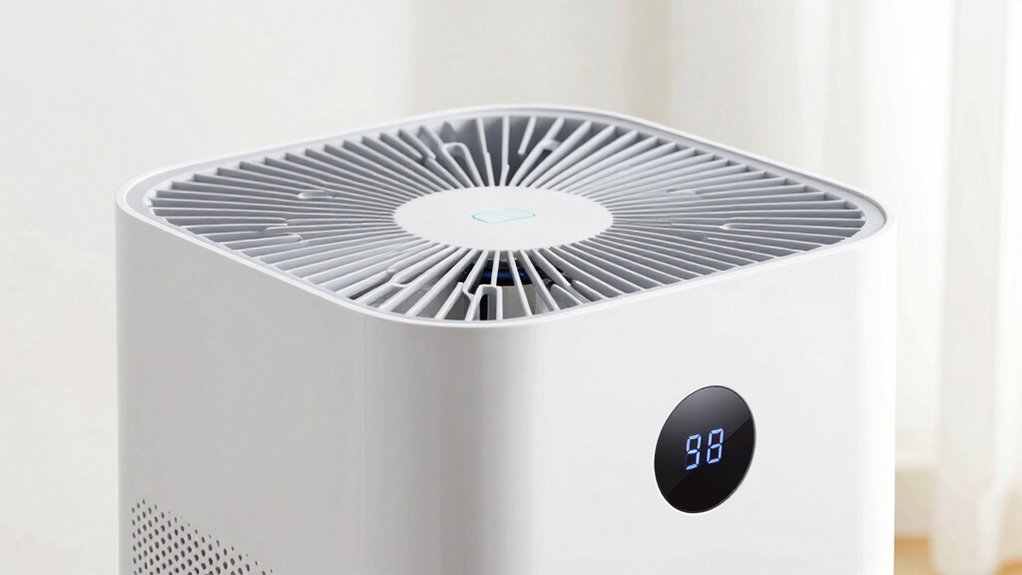
Have you ever wondered if products labeled as “ozone-free” truly make a difference? It’s a common question, especially as more companies emphasize the health safety and environmental impact of their products. While the label suggests that these items won’t harm the ozone layer, it’s important to understand what standards like UL 2998 actually guarantee—and what they don’t. UL 2998 is a certification that aims to measure a product’s ozone depleting potential. When a product passes this test, it indicates that it doesn’t produce significant amounts of ozone during normal use, which sounds reassuring. But it’s crucial to realize that this doesn’t necessarily mean the product is entirely safe for your health or that it’s environmentally friendly in every aspect. The certification focuses narrowly on ozone emissions, not on other harmful chemicals or pollutants the product might emit or contain.
UL 2998 certifies low ozone emissions but doesn’t ensure overall health safety or environmental friendliness.
You might think that an “ozone-free” claim automatically ensures better health safety, but that’s not always the case. The test measures ozone generation specifically, but it doesn’t account for other volatile organic compounds (VOCs), particulate matter, or toxic substances that could impact indoor air quality or your well-being. A product might be “ozone-free” but still release chemicals that irritate your respiratory system or contribute to indoor pollution. It’s easy to assume that because a product passes UL 2998, it’s completely safe, but that’s a misconception. The certification simply indicates a limited aspect of safety related to ozone emissions, not a exhaustive health safety profile.
Regarding environmental impact, UL 2998 offers some reassurance that a product won’t contribute to ozone layer depletion. That’s a positive step for reducing overall environmental harm. However, it doesn’t address other environmental concerns, like the sustainability of raw materials, energy consumption during manufacturing, or waste disposal. An “ozone-free” label backed by UL 2998 doesn’t automatically mean a product has a low carbon footprint or is eco-friendly in a broader sense. If you’re genuinely concerned about reducing your environmental impact, you should look for additional certifications or information about the product’s lifecycle and overall environmental footprint. Additionally, understanding ozone-depleting potential can help you make more informed choices.
In essence, while UL 2998 provides a useful benchmark for ozone emissions, it’s not a exhaustive guarantee of health safety or environmental friendliness. It’s a valuable piece of the puzzle, but not the whole picture. When choosing products with “ozone-free” claims, stay informed about what those labels truly signify. Don’t rely solely on certification labels—consider the full range of potential impacts, from indoor air quality to sustainability. That way, you can make more informed decisions that protect your health and the environment more effectively.
Frequently Asked Questions
Does UL 2998 Certification Apply to All Air Purifiers?
UL 2998 certification doesn’t apply to all air purifiers. Its scope specifically covers devices claiming to be ozone-free, ensuring they meet strict labeling standards and safety criteria. If your air purifier’s marketing emphasizes ozone-free operation, it should have UL 2998 certification. However, not all air purifiers are tested or certified under this standard, so check the label and certification scope to confirm if it’s officially certified.
How Often Should Ozone-Free Claims Be Reverified?
You should reverify your ozone-free claim through certification renewal every few years, typically around the expiration date specified by UL. Regular claim verification ensures your product maintains compliance with UL 2998 standards. Keep in mind that certification renewal is vital for confirming ongoing adherence, especially if your product undergoes design changes or updates. Staying proactive with reverification helps maintain consumer trust and regulatory compliance.
Are There Any Brands With UL 2998 Certification?
While specific brand names with UL 2998 certification aren’t always publicly highlighted, you can confidently seek products that meet this certification criteria, ensuring thorough brand verification. Many reputable brands pursue UL 2998 to demonstrate their commitment to ozone-free claims. To be sure, always check product labels or consult the certification database, giving you peace of mind that the brand aligns with rigorous safety and environmental standards.
What Are the Differences Between Ozone-Free and Ozone-Safe?
Ozone-free and ozone-safe labels might seem similar, but they serve different purposes in product labeling and safety standards. Ozone-free means the product doesn’t produce ozone during use, aligning with specific safety standards. Ozone-safe indicates the product is safe for the environment and human health, but may still generate small amounts of ozone. Always check the certification claims and guarantee they meet relevant safety standards to make informed choices.
Can Ozone-Free Claims Be Used in Commercial Settings?
Yes, you can use ozone-free claims in commercial settings, but be cautious. These marketing claims influence consumer perception positively, suggesting your product is environmentally friendly. However, verify your claims are accurate and compliant with regulations, as exaggerated or false claims can lead to legal issues and damage your reputation. Always support your ozone-free statements with credible evidence to build trust and avoid potential pitfalls.
Conclusion
Think of UL 2998 as your lighthouse in a foggy sea, guiding you through the haze of ozone-free claims. While it signals a safe harbor, it doesn’t promise a perfect sky—just a steady beacon of transparency. By understanding what it guarantees and what it doesn’t, you stay afloat amid marketing waves. Remember, not all that glitters is ozone-free, but with this standard, you’ll navigate confidently toward genuinely safer choices.