Washable filters are great when you prioritize eco-friendliness, want to save money, and don’t mind regular maintenance. They work well for everyday pollution and help reduce waste. However, they may backfire in high-pollution areas or if you’re not consistent with cleaning, as they can lose effectiveness and may not filter fine particles well. To get the best results, understand their limits—more details can help you decide if they’re right for you.
Key Takeaways
- Reusable washable filters excel when regular maintenance is feasible and pollutant levels are moderate, ensuring efficiency and longevity.
- They may backfire in high-pollution environments or for fine particles, requiring additional disposable filters for optimal filtration.
- Proper cleaning frequency and technique are crucial; neglecting maintenance reduces effectiveness and can cause backfiring.
- While cost-effective long-term, initial investment and ongoing maintenance might be inconvenient for some users.
- Regular inspection and adherence to care guidelines maximize benefits and prevent filter failure or reduced performance.
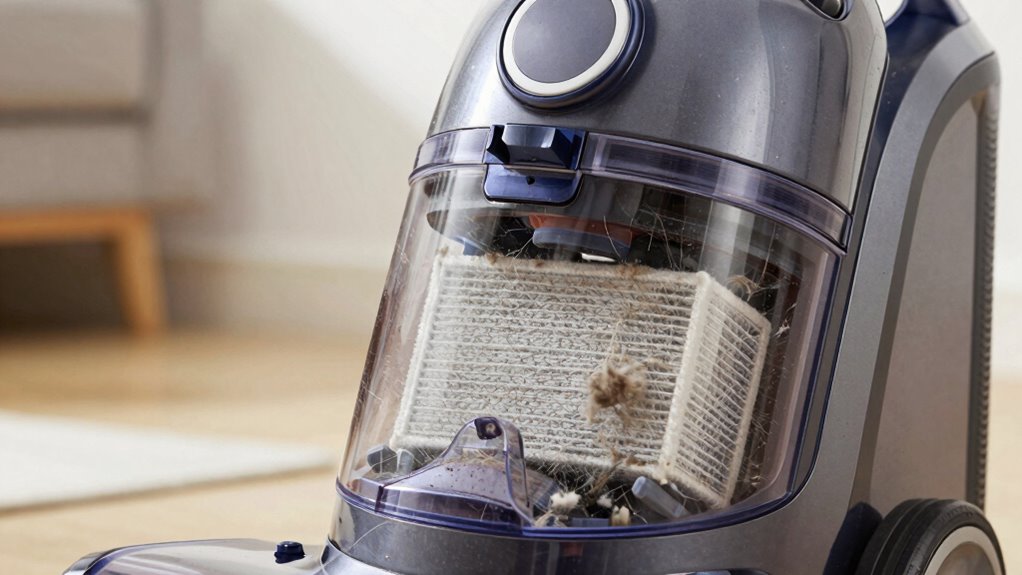
Washable filters are a practical and eco-friendly choice for improving air and water quality. They offer the advantage of being reusable, which means you don’t have to buy replacements as often as with disposable filters. However, to get the most out of your washable filter, proper filter maintenance is essential. Regularly cleaning your filter ensures it performs effectively, trapping dust, dirt, and other pollutants efficiently. Neglecting maintenance can lead to clogged filters that restrict airflow or water flow, decreasing efficiency and potentially causing damage to your appliances or HVAC system. When you commit to routine cleaning, you extend the lifespan of your filter and maintain the quality of the air or water you’re trying to purify.
Regular cleaning of washable filters ensures optimal performance and prolongs lifespan.
Cost effectiveness is another key benefit of washable filters. Although they tend to have a higher initial price, their ability to be reused multiple times makes them more economical in the long run. Instead of constantly purchasing replacement filters, you simply clean and reuse the same one, saving money over time. This makes washable filters especially appealing if you’re looking to cut costs or reduce ongoing expenses. Furthermore, since you’re not throwing away filters regularly, you’re also contributing to less waste, which benefits the environment. Over the lifespan of a washable filter, the overall expenses markedly decrease compared to disposable options, making them a smart investment. Additionally, choosing washable filters can help you better understand and monitor your indoor air or water quality, leading to more informed maintenance decisions.
That said, washable filters aren’t suitable for every situation. If you’re dealing with high levels of pollutants or allergens, or if rapid filter replacement is necessary, these filters might not be the best choice. They require consistent maintenance, which can be inconvenient if you’re busy or forgetful about routine cleaning. Additionally, some washable filters may not be as effective at filtering out very fine particles, depending on their design and material. In such cases, you might find yourself replacing or supplementing with disposable filters to ensure ideal air or water quality.
Ultimately, washable filters can be an excellent, cost-effective, and eco-friendly solution when you’re willing to commit to regular filter maintenance. They’re particularly advantageous if you want to save money and reduce waste while maintaining good air and water quality. Just keep in mind their limitations and ensure you clean them properly and frequently. If you’re prepared for the upkeep, washable filters can serve you well and provide a sustainable alternative to disposable filters, making them a smart choice for many households and applications. Regular inspection and understanding of air purifier maintenance dos and don’ts can further enhance their effectiveness.
Frequently Asked Questions
How Often Should Washable Filters Be Replaced?
You should replace your washable filter every 1 to 3 years, depending on its filter lifespan and usage. Regularly inspect it for signs of wear, damage, or reduced airflow. If it starts to look dirty or isn’t cleaning effectively, it’s time for a replacement. Proper maintenance extends its life, but don’t hesitate to switch it out sooner if performance drops. Keeping track of your replacement frequency guarantees ideal air quality.
Are Washable Filters More Cost-Effective Long-Term?
Washable filters are more cost-effective long-term because they save you money on replacements, reduce waste, and promote environmental benefits. A proper cost analysis shows you’ll spend less over time by cleaning and reusing filters instead of constantly buying new ones. Plus, you help the environment by decreasing landfill waste and conserving resources. You gain savings and sustainability benefits, making washable filters a smart choice for your budget and the planet.
Can Washable Filters Be Used in All HVAC Systems?
Washable filters can’t be used in all HVAC systems because filter compatibility varies. You need to check your system’s specifications and installation requirements to guarantee a washable filter fits properly. Some systems may require specific sizes or types, and improper installation can reduce efficiency or damage your unit. Always verify with your HVAC manufacturer or consult a professional before switching to a reusable filter to avoid issues.
Do Washable Filters Impact Air Quality Differently?
Like a mirror reflecting your home’s health, washable filters influence air quality impact through their material differences. You’ll notice they sometimes trap fewer particles, especially if made from less dense materials, leading to less effective filtration. Conversely, high-quality washable filters can improve air quality by reducing dust and allergens. So, your filter’s material plays a vital role in how well it captures pollutants, impacting your indoor air’s clarity and safety.
What Are the Best Practices for Cleaning Washable Filters?
To keep your washable filters effective, perform regular filter maintenance by cleaning them at least once a month. Use gentle cleaning techniques like rinsing with water and mild soap, avoiding harsh chemicals that could damage the filter. Make sure to fully dry the filter before reinstalling to prevent mold growth. Proper cleaning techniques guarantee your filter maintains peak airflow and air quality, prolonging its lifespan and improving your home’s indoor environment.
Conclusion
Remember, washable filters can save you money and reduce waste, but they’re not always foolproof. If not cleaned properly, they can harbor bacteria, reducing air quality and potentially causing health issues. Did you know that over 60% of households neglect regular filter maintenance? So, while reusable filters are a smart choice, make sure to follow cleaning guidelines closely. When used correctly, they’re a great eco-friendly option—just don’t let maintenance slip!