TL;DR

Get garden gear delivered free with Prime
- Fast, free delivery on millions of items
- Prime Video, Amazon Music and more included
- Member-only deals all year
Gardening Know How advises gardeners to save seven household materials, including cardboard, sheets, milk jugs and autumn leaves, for short-term frost protection. The materials can help during light frosts, but they are not a substitute for sturdier protection during prolonged freezes, and most covers should be removed in the morning.
Gardening Know How has outlined seven household materials gardeners can save in fall to shield plants during light, short-lived frosts, including cardboard boxes, old sheets, milk jugs, bubble wrap, newspapers, autumn leaves and cardboard tubes. The advice matters to people trying to extend a harvest or protect young plants, but the report cautions that these improvised covers are not designed to withstand a freeze lasting several days.
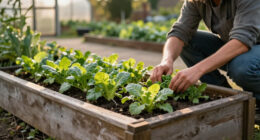
For overnight protection, the article recommends placing a box or several layers of newspaper over low plants, or draping a sheet over a garden bed, much like floating row covers protect plants from frost. Covers should be arranged so they reach the ground without pressing on foliage; stakes or tomato cages can keep a dew-heavy sheet from resting on tender stems. A box may need a brick to stop it blowing away, and cardboard and newspaper should be removed in the morning because they block light and can lose effectiveness when wet.
A rinsed plastic milk jug with its bottom cut off can act as a small cover for a seedling or young lettuce plant. The open edge can be pushed slightly into the soil, while the cap is left on during a cold night and removed on sunny days to release heat. Bubble wrap serves a different purpose: wrapped around the outside of a patio pot, below the rim, it can insulate the container without touching the plant.
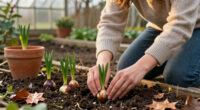
The remaining recommendations address longer-term or more limited protection. The report suggests using shredded autumn leaves as a few-inch insulating layer around the crown and roots of a tender perennial after the soil cools, leaving space around the stem. A toilet-paper tube or section of paper-towel tube can be pushed into the soil around a young transplant to protect its stem from cutworms and some wind, but the article says tubes alone offer little frost protection.
Low-Cost Cover for Tender Crops
Saving materials already at home may help gardeners respond to a frost advisory without making a last-minute purchase, and can protect peppers, lettuce, seedlings and container herbs during a brief cold snap. That can preserve plants and extend a harvest when the first frost is followed by milder weather.
The advice is conditional, not a guarantee against cold damage. Covers need to be chosen and placed carefully: plastic should not touch leaves, and cardboard, sheets and paper generally need to be taken off after temperatures rise. A material that offers a little insulation for one night may fail during persistent freezing weather.
Products Worth Considering

Philips Hue Festavia Globe Outdoor String Lights, 32 Bulbs, 91 ft

Ring Alarm 14-Piece Wireless Security System

Philips Hue Bridge Pro Smart Lighting Hub
As an affiliate, we earn on qualifying purchases.
How the Covers Hold Nighttime Warmth
The report explains that on a clear, calm night, warmth stored in the soil during the day can escape upward. A cover can hold some of that warmth near plants. It recommends draping fabric loosely, with its edges reaching the ground and enough space to avoid contact with stems and foliage.
Morning care is part of the method. Once the air rises above freezing, covers should be removed to prevent excess heat and moisture from building up around plants. The article also warns that air near ground level can be colder than the temperature reported elsewhere, particularly on still nights.
“They’ll carry plants through a light frost, the kind that whitens the lawn at dawn and is gone by mid-morning, but not a freeze that sits in for days.”
— Gardening Know How
Limits Depend on Local Frost Conditions
The source does not give a temperature range for a “light frost,” specify how many degrees of protection each material provides, or report test results comparing the items. The actual effect is likely to depend on local conditions and how a cover is fitted; the article notes that ground-level air may run colder than a general outdoor reading on still nights.
It also does not identify a single household option suitable for every plant or weather event. Its advice is limited to short-term protection, and it says cardboard and cotton are not adequate for a freeze that continues for days. Gardeners should check local forecasts and plant-specific needs rather than assume these materials will prevent all frost damage.
Check Forecasts and Remove Covers
Gardeners following the advice can keep dry boxes, sheets, jugs and paper materials on hand, then cover vulnerable plants when a frost advisory calls for overnight protection. In the morning, they should remove light-blocking covers, open milk-jug caps on sunny days and let damp paper dry before storing it.
For autumn leaves, the timing is later: wait until the soil has cooled, shred leaves so they remain loose, and keep them clear of plant crowns. Before using any improvised cover, check that it is stable in wind and that plastic does not touch foliage. The source does not announce a follow-up test or forecast; the immediate next step for readers is to match the method to the expected conditions and monitor temperatures through the night.
Key Questions
Which household items does the report recommend saving?
It lists cardboard boxes, old bed sheets or pillowcases, plastic milk jugs, bubble wrap, newspapers, autumn leaves, and toilet-paper or paper-towel tubes. Each has a different use, and not all provide the same amount of frost protection.
Can these materials protect plants during a prolonged freeze?
The report says they can help during a light frost, but are not sufficient for a freeze that lasts for days. It does not provide a temperature threshold or guarantee that any item will prevent damage.
Should plant covers stay on during the day?
Most should come off once temperatures rise above freezing. Cardboard blocks light, and covers can trap heat and moisture. Remove or open covers as appropriate, including taking the cap off a milk jug on a sunny day.
Can plastic wrap or a milk jug touch plant leaves?
The article warns against letting plastic press against foliage because it can carry cold to the leaves. Use plastic over a frame or around the outside of a pot; a milk jug can sit over a small plant as a cloche, with room for heat to escape when the day warms.
Source: gardeningknowhow.com