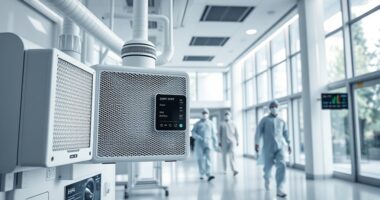
To improve IAQ and protect residents’ respiratory health, make certain your care home uses HEPA filters in your HVAC systems to trap viruses, bacteria, and allergens. Regularly maintain and replace filters, and incorporate effective ventilation systems to supply fresh air and dilute indoor pollutants. Monitoring air quality with sensors helps catch issues early, and staff training ensures proper system operation. Keep these strategies in place to create a safer, healthier environment—more tips ahead that can make all the difference.

Get garden gear delivered free — and shop member deals
- Fast, free delivery on millions of items
- Access to Prime Big Deal Days deals on October 6–7
- Prime Video, Amazon Music and more included
Key Takeaways
- Install HEPA filtration systems in HVAC to capture airborne pathogens and allergens effectively.
- Ensure proper ventilation with mechanical systems like exhaust fans and air exchange units to dilute indoor contaminants.
- Incorporate advanced ventilation technologies such as HRVs or ERVs to improve air quality and energy efficiency.
- Regularly monitor IAQ using sensors to detect pollutant levels and humidity, enabling timely adjustments.
- Maintain and replace filters routinely and educate staff on system operation to sustain optimal respiratory protection.

Have you ever considered how indoor air quality (IAQ) impacts the health of elderly residents in care homes? It’s a critical factor that often gets overlooked, yet it directly influences respiratory health, susceptibility to infections, and overall comfort. One of the most effective ways to improve IAQ is through proper air filtration and the strategic use of ventilation systems. These tools work together to reduce airborne pollutants, allergens, and pathogens, creating a safer environment for vulnerable residents.
Air filtration plays a essential role in capturing microscopic particles that linger in the air. High-efficiency particulate air (HEPA) filters are especially effective at trapping dust, pollen, pet dander, bacteria, and viruses. When these filters are integrated into the care home’s HVAC system, they continuously clean the circulating air, markedly lowering the risk of respiratory issues. Regular maintenance and timely replacement of filters are necessary to maintain their efficiency, guaranteeing that the air residents breathe remains as clean as possible.
HEPA filters trap dust, pollen, bacteria, and viruses, ensuring cleaner air in care homes.
Ventilation systems are equally essential in maintaining good IAQ. Proper ventilation ensures a continuous supply of fresh, filtered air while removing stale air, moisture, and indoor pollutants. Mechanical ventilation, such as exhaust fans and air exchange units, can be calibrated to optimize airflow, especially in areas where residents spend most of their time. Properly designed ventilation reduces humidity levels and prevents mold growth, which can exacerbate respiratory problems. It also helps dilute airborne contaminants, including viruses and bacteria, decreasing the likelihood of infection spread within the facility.
Implementing advanced ventilation systems also involves balancing energy efficiency with air quality. Modern systems often incorporate heat recovery ventilators (HRVs) or energy recovery ventilators (ERVs), which pre-condition incoming air, saving energy while maintaining high indoor air standards. These systems are particularly beneficial in colder climates, where outdoor air might be less suitable without proper treatment.
In addition to installing effective air filtration and ventilation, you should regularly monitor IAQ levels. Using air quality sensors can help detect increases in pollutants or humidity, prompting timely adjustments. Educating staff about the importance of maintaining these systems and ensuring they understand how to operate and troubleshoot them is key to sustaining good IAQ over time.
Furthermore, selecting appropriate air filtration and ventilation equipment specifically designed for healthcare or eldercare settings can significantly enhance system performance and resident safety. Ultimately, combining high-quality air filtration with well-designed ventilation systems creates a healthier environment for elderly residents. It reduces their exposure to airborne hazards and promotes respiratory well-being. As you focus on these aspects, you’re not just improving air quality—you’re actively safeguarding their health and enhancing their quality of life.
HEPA air purifier for elderly care homes
As an affiliate, we earn on qualifying purchases.
As an affiliate, we earn on qualifying purchases.
Frequently Asked Questions
What Types of Respiratory Protection Are Most Effective for Staff?
You should choose respirators with high mask efficacy, like N95 or KN95 masks, for staff. These provide excellent filtration, protecting against airborne particles. When selecting a respirator, consider proper fit and comfort to guarantee effectiveness throughout shifts. Proper respirator selection is vital for respiratory protection, reducing infection risk, and maintaining a safe environment for elderly residents and staff alike. Always follow guidelines for fit testing and mask usage.
How Often Should Respiratory Equipment Be Replaced or Maintained?
You should replace or maintain your respiratory equipment regularly, following the manufacturer’s recommended maintenance schedule to guarantee ideal protection. Typically, respirator lifespan varies from 30 to 90 days, but this depends on usage and conditions. An interesting stat: improper maintenance can reduce effectiveness by up to 50%. By sticking to a strict maintenance schedule, you protect staff and residents while maintaining the respirator’s full filtration capacity.
Are There Specific IAQ Standards for Elderly Care Homes?
Yes, elderly care homes should follow specific IAQ standards focused on ventilation standards and air quality monitoring. You need to guarantee proper airflow and regular monitoring to maintain a safe environment. By adhering to these standards, you help reduce airborne contaminants, prevent respiratory issues, and promote overall well-being. Regularly check ventilation systems and conduct air quality assessments to keep indoor air safe and comfortable for residents.
How Can Residents Be Protected From Respiratory Hazards?
Imagine a shield guarding your loved ones. You can safeguard residents from respiratory hazards by implementing effective ventilation strategies and conducting regular air quality monitoring. These measures help remove pollutants and ensure fresh air circulates, reducing exposure to harmful particles. By prioritizing these steps, you create a safer environment, allowing your residents to breathe easier and feel more secure in their home.
What Training Is Necessary for Proper Respirator Use?
You need to complete training programs that cover proper respirator use, including how to don, doff, and inspect the equipment. Proper fit testing is essential to guarantee a secure seal, preventing respiratory hazards from entering. Regular training updates help you stay current with best practices and manufacturer guidelines. By understanding these procedures, you protect yourself and residents while maintaining a safe indoor air quality environment.
Conclusion
By improving indoor air quality in elderly care homes, you create safer, healthier environments for residents. Did you know that poor IAQ can increase respiratory issues by up to 30% among seniors? Implementing proper ventilation and respiratory protections can markedly reduce this risk. Take action now to prioritize IAQ—your residents’ health depends on it. Small changes can make a big difference in safeguarding their well-being and ensuring a comfortable, breathable environment every day.
Fall Picks
fall essentials
As an affiliate, we earn on qualifying purchases.