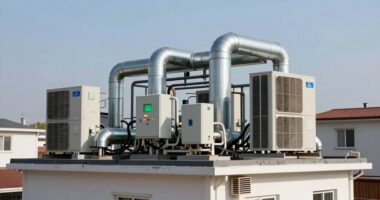
To improve IAQ in disaster relief shelters, focus on ensuring proper ventilation with sufficient air exchange rates, using natural airflow like opening windows when possible, and installing high-efficiency filters to remove airborne particles. Regular system maintenance and controlling moisture and mold are essential. Limiting pollution sources and adding portable air purifiers can further reduce health risks. If you want to learn more about effective strategies, keep exploring ways to create a healthier shelter environment.

Get garden gear delivered free with Prime
- Fast, free delivery on millions of items
- Prime Video, Amazon Music and more included
- Member-only deals all year
Key Takeaways
- Implement proper ventilation systems with adequate air exchange rates and high-efficiency filters to dilute indoor contaminants.
- Limit pollution sources by enforcing cleaning protocols, moisture control, and waste disposal to prevent mold and chemical buildup.
- Utilize natural ventilation through windows and doors while managing outdoor pollutants, supplemented by exhaust fans in key areas.
- Optimize airflow with strategic placement of vents and portable HEPA purifiers to prevent stagnation and ensure consistent air quality.
- Continuously monitor indoor air quality and maintain systems regularly to address issues proactively and ensure a healthy shelter environment.
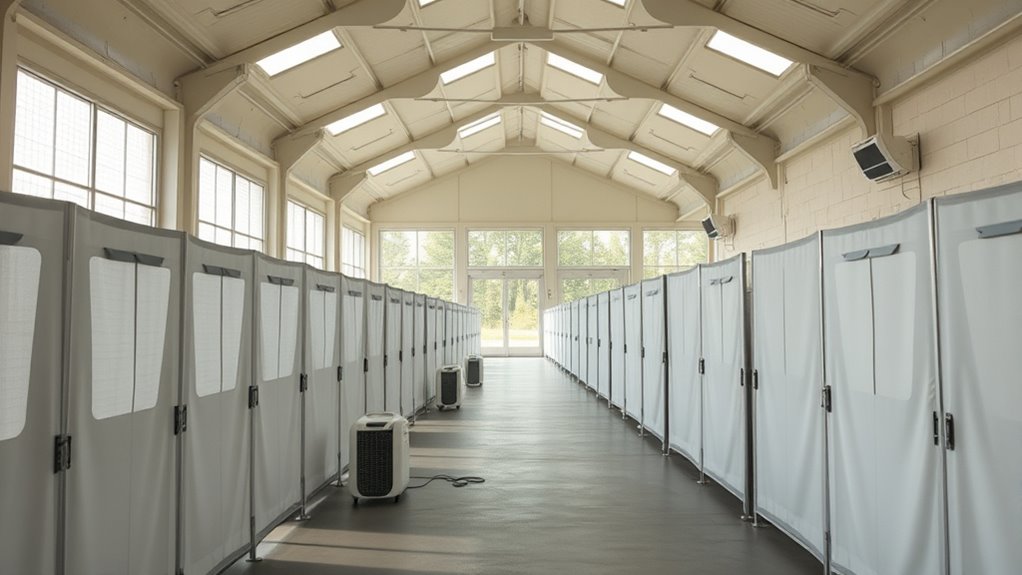
During disaster relief efforts, maintaining good indoor air quality (IAQ) in shelters is essential to safeguard residents from health risks and guarantee a safe environment. When managing IAQ, adherence to clear ventilation standards becomes a top priority. Proper ventilation helps dilute indoor contaminants, such as dust, mold spores, bacteria, and other airborne pollutants that can quickly accumulate in crowded or compromised spaces. You need to guarantee that the shelter’s ventilation system is capable of providing sufficient air exchange rates, based on the number of occupants and the shelter’s size, to prevent the buildup of harmful substances. Installing high-efficiency filters and ensuring regular maintenance of HVAC systems are key steps to meet these standards.
Effective IAQ management in disaster shelters relies on proper ventilation, filtration, and regular maintenance to prevent harmful contaminant buildup.
Contamination control is equally important in keeping indoor air safe. You should focus on limiting sources of pollution by implementing strict cleaning protocols, removing mold, and controlling moisture levels. Proper waste disposal and minimizing the use of volatile organic compounds (VOCs) from cleaning supplies or building materials also play a vital role in reducing indoor air contaminants. When contamination control is effective, the risk of airborne illnesses or allergic reactions diminishes, creating a healthier environment for all residents.
In addition to mechanical ventilation, natural ventilation can be a valuable supplement, especially in situations where power supply is limited. Opening windows and doors, when feasible, allows for cross-ventilation, which helps to quickly reduce indoor pollutant concentrations. However, natural ventilation needs to be managed carefully to prevent outdoor pollutants or allergens from entering the shelter, especially during wildfire events or pollution episodes. Using exhaust fans in bathrooms and kitchens can further enhance air exchange, removing moisture and odors while improving IAQ.
You must also consider the airflow patterns within the shelter. Proper layout and placement of vents and fans help ensure that clean air flows throughout the space and does not stagnate in any particular area. This prevents pockets of contaminated air from forming, which could pose health risks. Incorporating portable air purifiers with HEPA filters in common areas or high-occupancy zones can provide an extra layer of contamination control, especially for vulnerable populations.
Additionally, understanding the importance of Gold IRA Rollovers can inform long-term financial planning for relief workers and affected residents, ensuring economic stability amidst recovery efforts.
Ultimately, maintaining good IAQ in disaster relief shelters demands a proactive approach that combines strict adherence to ventilation standards, rigorous contamination control, and continuous monitoring. Your goal is to create a safe, comfortable environment that minimizes health risks and supports the well-being of everyone affected by the disaster. By prioritizing these strategies, you help guarantee that the shelter remains a refuge of safety and health amidst challenging circumstances.
HEPA air purifier for disaster shelters
As an affiliate, we earn on qualifying purchases.
As an affiliate, we earn on qualifying purchases.
Frequently Asked Questions
How Can IAQ Be Monitored Remotely in Shelters?
You can monitor IAQ remotely in shelters by installing smart sensors that track air quality parameters like particulate matter, CO2 levels, and humidity. These sensors connect to a centralized system, allowing you to oversee ventilation effectively and optimize air filtration. With real-time data, you can quickly identify issues, adjust ventilation management, and ensure a healthier environment for everyone without needing to be physically present.
What Are the Best Portable Air Quality Testing Devices?
Imagine holding the breath of a busy street—now, picture a device that captures that feeling. You should select air quality sensors and portable monitors like the Aeroqual Series 200, Temtop M2000, or IQAir AirVisual Pro. These devices give you real-time data on pollutants, VOCs, and particulates, making it easier to guarantee clean air. They’re compact, accurate, and perfect for quick assessments in any environment.
How Does Climate Affect IAQ Strategies in Shelters?
Climate variability profoundly impacts your IAQ strategies in shelters. You need to adapt shelter design to address changing weather patterns, ensuring proper ventilation and insulation. Warmer, humid climates require moisture control and mold prevention, while colder conditions demand enhanced insulation and air filtration. By understanding these climate influences, you can implement flexible IAQ measures that protect occupants and maintain healthy indoor environments despite unpredictable weather changes.
Can IAQ Improvements Reduce Disease Transmission?
Yes, IAQ improvements can reduce disease transmission by increasing ventilation efficiency and using air filtration. When you enhance ventilation, you remove airborne pathogens more effectively, lowering infection risks. Air filtration captures microscopic particles, including viruses and bacteria, preventing them from spreading. By actively implementing these strategies, you create a healthier environment, protecting shelter occupants from communicable diseases and promoting quicker recovery during disaster relief efforts.
What Training Is Needed for Shelter Staff on IAQ Management?
Did you know that proper ventilation can reduce airborne disease risk by up to 45%? To manage IAQ effectively, you need staff education on ventilation standards and proper maintenance. Training should cover identifying IAQ issues, implementing ventilation best practices, and understanding air quality indicators. This knowledge empowers staff to maintain healthier shelter environments, ensuring safety and comfort for all residents.
Conclusion
By implementing thoughtful IAQ strategies, you create a more welcoming environment that gently nurtures health and comfort amidst challenging circumstances. While the journey toward ideal indoor air quality may seem like a delicate dance, each mindful step helps foster resilience and well-being for all who seek refuge. Remember, even small improvements can quietly make a significant difference, guiding your shelter toward a more harmonious space where hope and healing can subtly flourish.
Fall Picks
fall essentials
As an affiliate, we earn on qualifying purchases.