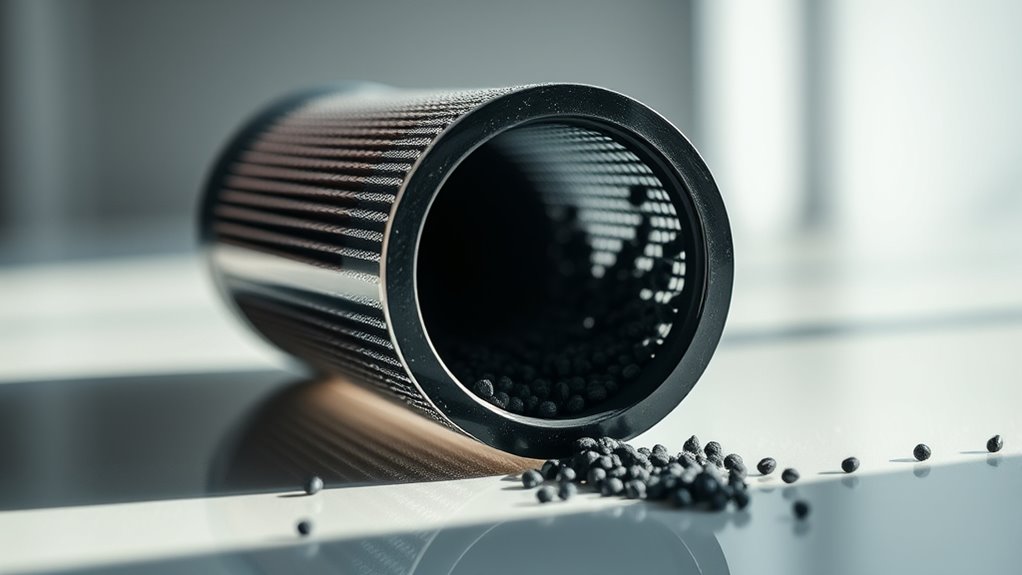

Carbon filters are generally not recyclable through standard municipal programs because they combine activated carbon with plastic or metal casings, making separation difficult. Over time, filters become saturated with pollutants, and improper disposal can harm the environment. While some specialized programs and companies do accept used filters for proper disposal or recycling, most need to be discarded as non-recyclable waste. To learn more about your options, keep exploring how to dispose of them responsibly.

Get garden gear delivered free — and shop member deals
- Fast, free delivery on millions of items
- Access to Prime Big Deal Days deals on October 6–7
- Prime Video, Amazon Music and more included
Key Takeaways
- Most carbon filters contain activated carbon in plastic or metal casings, making them difficult to recycle through standard programs.
- Conventional municipal recycling facilities typically do not accept used filters due to material complexity.
- Specialized recycling programs exist for industrial or hazardous waste filters that can safely process and recover materials.
- Proper disposal of filters is important to prevent environmental hazards from chemicals and saturated materials.
- Verifying local disposal options or manufacturer take-back programs supports eco-friendly handling of used carbon filters.
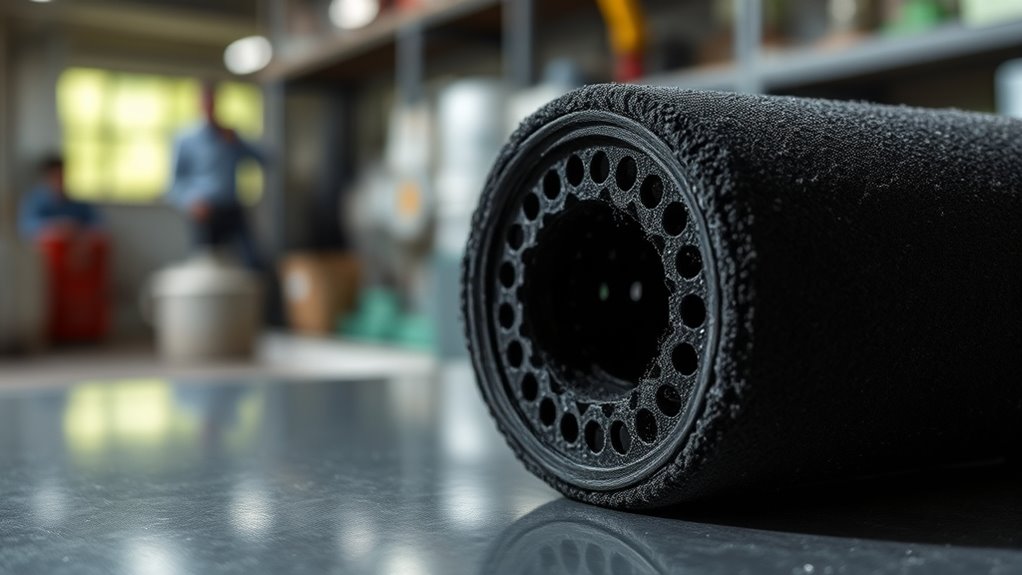
Have you ever wondered if your carbon filters can be recycled? It’s a common question, especially if you’re trying to reduce waste and be more eco-friendly. The truth is, understanding whether your filters are recyclable depends on several factors, primarily their filter lifespan and disposal methods. Over time, carbon filters lose their effectiveness as they become saturated with pollutants, which means they need regular replacement. Typically, manufacturers recommend changing them every few months, but the actual lifespan varies depending on usage and the environment. Once the filter has reached the end of its lifespan, you might wonder if you can simply toss it in the recycling bin or if it requires special disposal methods.
When it comes to disposal methods, most conventional carbon filters aren’t considered recyclable through standard municipal programs. They are often made up of activated carbon embedded in a plastic or metal casing, which complicates recycling. Since they contain both plastic and carbon, separating these materials for recycling isn’t straightforward. As a result, many waste management facilities classify used filters as non-recyclable waste, meaning you should dispose of them in regular trash. However, some specialized recycling programs are beginning to emerge, focused on hazardous waste or industrial filters, which might include activated carbon filters. These programs can often process filters more safely and efficiently, recovering usable materials or safely disposing of the hazardous components.
If you’re environmentally conscious, it’s worth exploring options before discarding your used filters. Some companies and recycling centers accept used filters for proper disposal or recycling, especially if they contain valuable or hazardous materials like activated carbon. In some cases, you might be able to repurpose parts of the filter, such as the casing, if it’s made from recyclable plastics or metals. But always check with your local waste authority or the manufacturer’s guidelines to determine the safest disposal method. Avoid throwing filters into the compost or regular trash without verifying their recyclability, as the chemicals and materials could pose environmental hazards.
Additionally, understanding the filter lifespan of your specific product can help you plan for more sustainable disposal practices. Ultimately, while most carbon filters aren’t widely recyclable through ordinary channels, staying informed about their filter lifespan and exploring specialized disposal methods can help you make more sustainable choices. Proper disposal not only reduces environmental impact but also ensures that any hazardous materials are handled safely. So, next time you replace your filter, take a moment to reflect on how to dispose of it responsibly, whether through a dedicated recycling program or your local waste management service. Your efforts can contribute to a healthier planet, even when it comes to simple tasks like changing your air or water filters.
activated carbon filter recycling programs
As an affiliate, we earn on qualifying purchases.
As an affiliate, we earn on qualifying purchases.
Frequently Asked Questions
What Materials Are Used to Make Carbon Filters?
Carbon filters are made primarily from activated carbon, which is a porous carbon material. During filter manufacturing, this activated carbon is often combined with a support material like paper, fiberglass, or plastic to create a sturdy filter. You should know that while the core carbon material captures impurities effectively, some filters also include other components like mesh or binding agents. Recycling options depend on the specific filter design and materials used.
How Long Do Carbon Filters Typically Last?
Your carbon filter typically lasts around 3 to 6 months, but it can feel like an eternity if it’s not replaced on time. The filter lifespan depends on usage and air quality, so check the manufacturer’s recommendations. To keep your air fresh and clean, plan for regular replacement frequency, usually every 3-4 months, ensuring peak performance and avoiding the dreaded filter fatigue that can compromise air quality.
Can Used Carbon Filters Be Safely Disposed Of?
Used carbon filters can’t be safely disposed of in regular trash, as they may contain trapped pollutants. You should explore specific filter disposal and recycling options in your area, as some facilities accept them for proper handling. Always check with local waste management services or manufacturer guidelines to guarantee eco-friendly disposal. Proper filter disposal prevents environmental contamination and supports recycling efforts, making your waste management more sustainable.
Are There Eco-Friendly Alternatives to Traditional Carbon Filters?
Yes, eco-friendly alternatives to traditional carbon filters exist. You can choose filters with longer filter lifespan, reducing waste and replacement frequency. Look for options made from sustainable materials like biodegradable or plant-based components, which minimize environmental impact. These alternatives not only support material sustainability but also help you reduce your carbon footprint, making them a smarter, greener choice for your air or water purification needs.
Do All Brands Offer Recycling Programs for Their Filters?
Ever wonder if your favorite brand cares about the environment? Not all brands offer recycling programs for their filters, so your options for eco-friendly filter disposal vary. You’ll need to check each brand’s policies to see if they have dedicated recycling programs. Supporting brands with these initiatives helps reduce waste and promotes sustainability. Don’t assume all brands provide this; your choice can make a difference in protecting our planet.
Conclusion
So, when your carbon filter has done its job and darkened with impurities, remember it’s not just trash—it’s a part of the environment too. Visualize it as a small, worn-out sponge, ready to be reborn through recycling. By choosing to recycle, you’re giving it a second chance to filter the air again, like a phoenix rising from the ashes. Your simple action helps keep the air cleaner and our planet healthier—one filter at a time.
Fall Picks
fall essentials
As an affiliate, we earn on qualifying purchases.