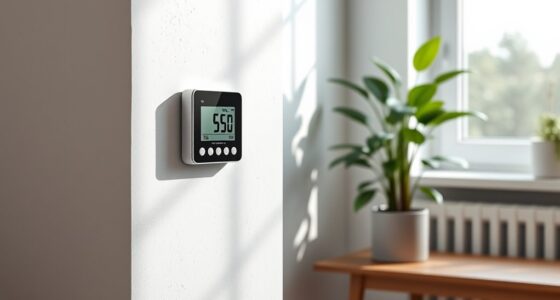

When VOCs break down indoors, they form aldehydes like formaldehyde, ketones from solvents, and hydrocarbons such as aliphatic and aromatic compounds. Sunlight, heat, and chemicals accelerate this process, creating harmful byproducts that can irritate your eyes, nose, and throat. These breakdown products can linger and react further to produce secondary pollutants like ozone. To better understand how these transformations affect indoor air quality and health, continue exploring the details behind VOC decomposition.
Key Takeaways
- VOCs undergo chemical transformations indoors, producing aldehydes, ketones, and hydrocarbons.
- Formaldehyde, a common aldehyde, causes irritation and long-term health issues.
- Ketones from solvents can irritate respiratory pathways and contribute to indoor pollution.
- Hydrocarbons formed during VOC oxidation can persist and form secondary pollutants like ozone.
- Understanding these breakdown pathways aids in managing indoor air quality effectively.

Have you ever wondered what happens when volatile organic compounds (VOCs) break down in the environment? VOCs come from a variety of sources, both indoors and outdoors, and they profoundly impact indoor air quality. These emissions originate from common household items like paints, cleaning products, adhesives, and furnishings, as well as vehicle exhaust and industrial processes outside. Once released into the air, VOCs don’t just stay inert; they undergo chemical transformations that produce a range of byproducts, including aldehydes, ketones, and hydrocarbons, which can be more harmful than the original compounds.
VOCs undergo chemical changes indoors, creating harmful byproducts like aldehydes, ketones, and hydrocarbons.
When VOCs degrade indoors, sunlight, heat, and the presence of other chemicals accelerate their transformation. For example, aldehydes such as formaldehyde are common breakdown products of many VOCs emitted from pressed wood products and certain textiles. These aldehydes are volatile themselves and readily vaporize into the air, contributing to poor indoor air quality. Formaldehyde, in particular, is notorious for causing eye, nose, and throat irritation, and long-term exposure has been linked to more serious health issues, including respiratory problems and certain cancers. Ketones, another class of breakdown products, often originate from solvents and adhesives used in household items. They tend to have a sweetish odor but can also irritate the respiratory system if inhaled in high concentrations.
Hydrocarbons, especially aliphatic and aromatic types, are also common VOC breakdown products. These compounds form when larger VOC molecules undergo oxidation or photolysis. Hydrocarbons can persist in the air for hours to days, depending on environmental conditions, and can react further with other pollutants, creating secondary pollutants like ozone and secondary organic aerosols. These secondary pollutants pose additional health risks and complicate efforts to improve indoor air quality. Additionally, understanding the VOC breakdown process is crucial for developing better indoor air quality management strategies.
Understanding VOC breakdown is essential because the transformation products often have different health effects than their parent compounds. Some aldehydes and ketones are more reactive and can cause more immediate irritation, while hydrocarbons and their derivatives can contribute to long-term health issues. Indoor environments are especially vulnerable because of the concentration of VOC sources, poor ventilation, and the accumulation of these breakdown products over time. To mitigate their impact, it’s vital to control sources, improve ventilation, and use air purifiers equipped with activated carbon or HEPA filters. Recognizing how VOCs break down helps you make smarter choices about household products and indoor air management, ultimately creating a healthier living space.

LEVOIT Air Purifier for Home Allergies and Pets Hair Smokers in Bedroom, H13 True HEPA Filter, 24db Filtration System Cleaner Odor Eliminators, Remove 99.97% Dust Smoke Mold Pollen, Core 300, White
- Certified by AHAM: Ensures reliable air quality performance
- Powerful Cleaning: 56W motor with 143 CFM CADR
- Effective Air Purification: HEPA-grade filter for dust, smoke, odors
As an affiliate, we earn on qualifying purchases.
As an affiliate, we earn on qualifying purchases.
Frequently Asked Questions
How Do VOCS Affect Indoor Air Quality Long-Term?
Long-term exposure to VOCs can substantially worsen indoor air quality, leading to chronic health issues over time. You might notice persistent headaches, respiratory problems, or fatigue as a result. Prolonged exposure increases the risk of more severe conditions like asthma or even certain cancers. To protect yourself, guarantee good ventilation, use air purifiers, and minimize sources of VOCs, especially in enclosed spaces where you spend a lot of time.
What Are the Most Common Sources of VOCS in Homes?
Imagine you’re cleaning your home, and fumes linger afterward—that’s a common source of VOCs. Typically, indoor cleaning products and building materials like paints, adhesives, and flooring release VOCs. These substances off-gas over time, affecting indoor air quality long-term. You might not see or smell all of them, but they can accumulate, so choosing low-VOC products and ventilating well helps reduce your exposure.
Are There Safe Levels of Aldehydes and Ketones Indoors?
Aldehhyde exposure and ketone safety depend on levels indoors, but generally, low concentrations are considered safe. You should minimize exposure by increasing ventilation and reducing sources like new furniture or cleaning products. While strict safe thresholds aren’t always set, staying informed and maintaining good air quality helps prevent health issues. If you notice strong odors or symptoms, it’s wise to improve ventilation or consult a professional for proper testing.
How Can VOC Emissions Be Effectively Reduced?
To effectively reduce VOC emissions, you should focus on emission control strategies like improving ventilation and using air purifiers with activated carbon filters. Additionally, adsorption techniques can help capture VOCs before they disperse indoors. Regularly maintaining these systems guarantees they work efficiently. Avoiding products with high VOC content and choosing low-emission alternatives also minimizes indoor VOC levels, creating a safer, healthier environment for you.
Do VOCS Pose Health Risks to Children and Pets?
VOCs definitely pose health risks to children and pets, as their developing systems are more vulnerable. Exposure can cause respiratory issues, allergies, or other health problems. To protect child safety and pet health, make certain of good ventilation, use air purifiers, and choose low-VOC or VOC-free products. Keep indoor air clean and avoid smoking indoors to reduce VOC exposure, creating a safer environment for your loved ones.
Conclusion
Understanding VOCs like aldehydes, ketones, and hydrocarbons is essential because they can impact your health more than you might realize—sometimes even more than the air outside your window. By recognizing these compounds and taking steps to reduce your exposure, you’re protecting yourself from invisible threats that could be lurking in your home. Stay vigilant, because the air you breathe is literally the foundation of your well-being—don’t let VOCs turn your life into a chemical battlefield.