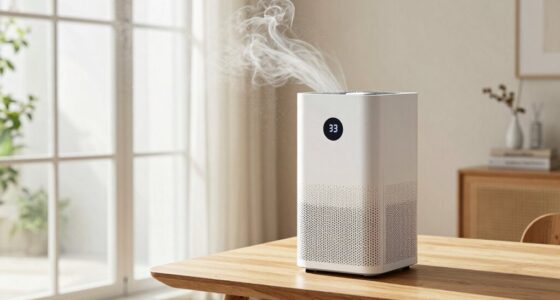
Understanding formaldehyde helps you identify its main sources, like pressed-wood products, textiles, and cleaning supplies, which release this gas over time. You can measure its levels with specialized air testing devices to determine if indoor air quality is safe. Exposure mostly occurs through inhalation, leading to eye, nose, and throat irritation, and long-term health risks like respiratory issues and even cancer. Learning more guarantees you can better protect your indoor environment and your health.
Key Takeaways
- Formaldehyde is a colorless gas with a strong odor, commonly emitted from indoor products like pressed-wood furniture and textiles.
- Main sources include off-gassing from pressed-wood, insulation, and certain cosmetics, affecting indoor air quality over time.
- Exposure occurs mainly through inhalation, causing eye, nose, and throat irritation, with long-term risks including respiratory issues and cancer.
- Measuring formaldehyde levels involves air testing to assess safety and guide ventilation or product choices.
- Reducing exposure involves proper ventilation, selecting low-emitting products, and monitoring indoor air quality for healthier environments.
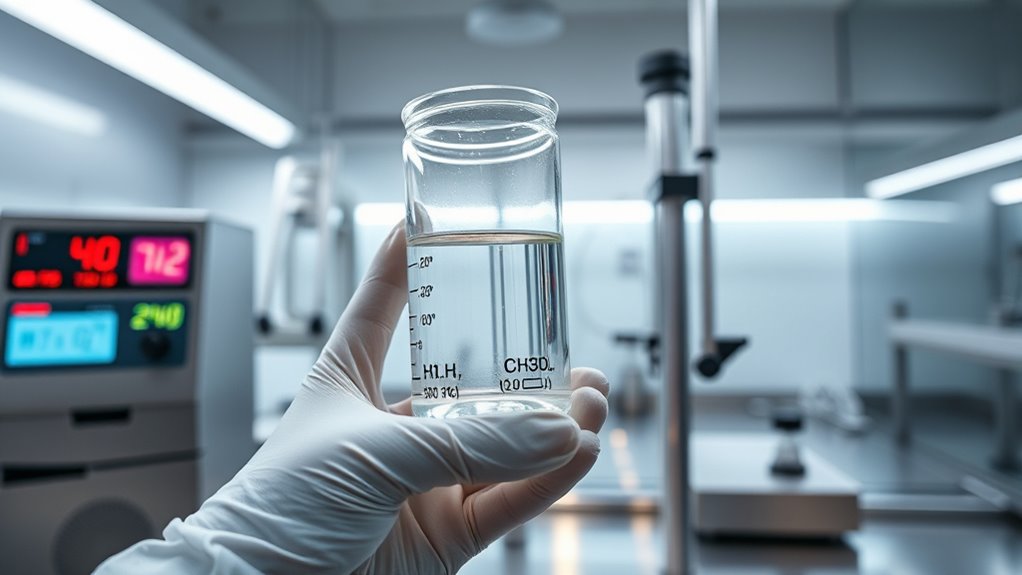
Have you ever wondered what formaldehyde really is and why it’s so commonly found in everyday products? This colorless, strong-smelling gas is a common indoor air pollutant that can impact your health in subtle yet essential ways. It’s used in a variety of household items, from pressed-wood products like furniture and cabinetry to certain fabrics and cleaning supplies. Because of its widespread presence, understanding formaldehyde is key to managing indoor air quality and minimizing your chemical exposure.
Formaldehyde is released into the air through a process called off-gassing, which occurs when products containing the chemical release gases into their environment. This off-gassing can happen immediately after installation or over time as products age and degrade. The primary sources include pressed-wood products, such as particleboard, plywood, and medium-density fiberboard, which are common in many homes. Other sources include insulation materials, certain textiles, and even some cosmetics. When these products release formaldehyde, it contributes to poor indoor air quality, making the air you breathe indoors more polluted than you might think.
Formaldehyde off-gassing from household products can occur immediately or over time, impacting indoor air quality.
Your exposure to formaldehyde can happen through inhalation, skin contact, or even ingestion, but inhalation is the most common route within indoor environments. Once inhaled, formaldehyde can cause irritation of your eyes, nose, and throat. Over time, prolonged or high-level exposure may lead to more serious health issues, including respiratory problems, allergic reactions, and increased risk of certain cancers. Children, the elderly, and those with existing respiratory conditions are especially vulnerable to these health effects. That’s why understanding how to measure formaldehyde levels and reduce exposure is vital for maintaining safer indoor environments.
Measuring formaldehyde in your home typically involves air quality testing using specialized detection devices or lab analysis of collected samples. These tests can help identify whether the levels in your indoor air are within safe limits or if action needs to be taken. Knowing your indoor air quality gives you the power to make informed decisions about ventilation, product choices, and cleaning routines. Proper ventilation dilutes formaldehyde concentrations, while choosing low-emitting products can considerably reduce your chemical exposure. Regularly checking indoor air quality and being aware of sources allows you to take control of your environment and protect your health.
Additionally, understanding the sources of formaldehyde can help you identify potential risks and take proactive steps to minimize exposure in your living space. In short, understanding formaldehyde’s sources, how to measure it, and its health effects empowers you to create a healthier indoor space. By paying attention to indoor air quality and limiting chemical exposure, you can reduce potential health risks and breathe easier in your own home.

Formaldehyde Detector (HCHO) DIY Quality Tester Kit – Formaldehyde Air Tester – Know What's in The Air that Surrounds You
- Air Quality Testing: Detects Formaldehyde in your home
- Quick Results: Visual results in 30-50 minutes
- Easy to Use: Follow 6 simple steps in manual
As an affiliate, we earn on qualifying purchases.
As an affiliate, we earn on qualifying purchases.
Frequently Asked Questions
How Long Does Formaldehyde Linger After Source Removal?
After removing the source, formaldehyde off gassing can linger in your indoor air for days to weeks, depending on factors like temperature, humidity, and ventilation. Typically, indoor air persistence lasts about 24 to 72 hours, but it can extend longer if ventilation is poor. To reduce exposure, increase airflow, use air purifiers, and let new materials off-gas outdoors before bringing them inside.
Are There Natural Sources of Formaldehyde in the Environment?
Yes, there are natural sources of formaldehyde in the environment. Biogenic emissions from plants and trees release formaldehyde during their metabolic processes. Additionally, natural decomposition of organic matter in soil and water produces formaldehyde. These processes contribute to background levels of formaldehyde in the atmosphere, which can vary depending on environmental conditions. While natural sources are ongoing, controlling indoor emissions is essential to reduce health risks.
Can Formaldehyde Exposure Cause Allergic Reactions?
Yes, formaldehyde exposure can cause allergic responses in some people. When you’re sensitive or have immune sensitivity, exposure might trigger symptoms like skin rashes, eye irritation, or respiratory issues. Although not everyone reacts this way, those with existing allergies or sensitivities are more at risk. Reducing your exposure by improving ventilation and choosing low-formaldehyde products can help prevent allergic responses and protect your health.
What Are the Symptoms of Acute Formaldehyde Poisoning?
You might notice symptoms like burning eyes, sore throat, coughing, and difficulty breathing if exposed to a high level of formaldehyde. These signs act as a gentle warning from your body, urging you to seek swift medical intervention. Recognizing these symptoms early helps prevent further health issues. Always pay attention to your body’s signals and consult a healthcare professional for proper symptom identification and treatment to guarantee your safety.
How Effective Are Air Purifiers at Reducing Formaldehyde Levels?
Air purifiers can be quite effective at reducing formaldehyde levels if they have high-efficiency filters like activated carbon or HEPA. Their effectiveness depends on the device’s quality, size, and maintenance. When you choose an air purifier designed specifically for formaldehyde removal, you’ll notice a significant reduction in indoor formaldehyde concentrations. Regularly replacing filters guarantees maximum formaldehyde removal and improves overall air quality in your space.
Conclusion
Just as Pandora’s box unleashed unforeseen troubles, understanding formaldehyde helps you avoid hidden health hazards. By recognizing its sources and measurement methods, you can take control of your environment. Don’t let this silent threat catch you off guard—be proactive like those who safeguard ancient secrets. Knowledge is your shield, empowering you to breathe safer and live healthier. Stay vigilant, and let awareness be your key to opening a safer, toxin-free space.