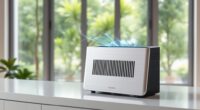
Thermodynamic sterilization purifiers use heat, UV light, and advanced filters to effectively eliminate bacteria, viruses, and airborne contaminants. They work by heating the air to destroy pathogens on contact, while UV light damages microorganism DNA, preventing reproduction. HEPA filters trap tiny particles, enhancing overall air cleanliness. This multi-layered approach guarantees thorough sterilization and improved air quality. Keep exploring to discover how these technologies work together for safe, pathogen-free environments.
Key Takeaways
- Thermodynamic sterilization uses high temperatures (above 150°C) to destroy bacteria, viruses, and other pathogens effectively.
- Heat-based air cleaning ensures thorough sterilization by neutralizing microorganisms on contact, preventing their reproduction.
- These purifiers often combine heat with UV filtration and HEPA technology for comprehensive air purification.
- Regular maintenance of heat-generating components is essential to maintain sterilization efficiency and device longevity.
- Heat-based sterilization provides a chemical-free, quick, and safe method for ensuring a pathogen-free environment.

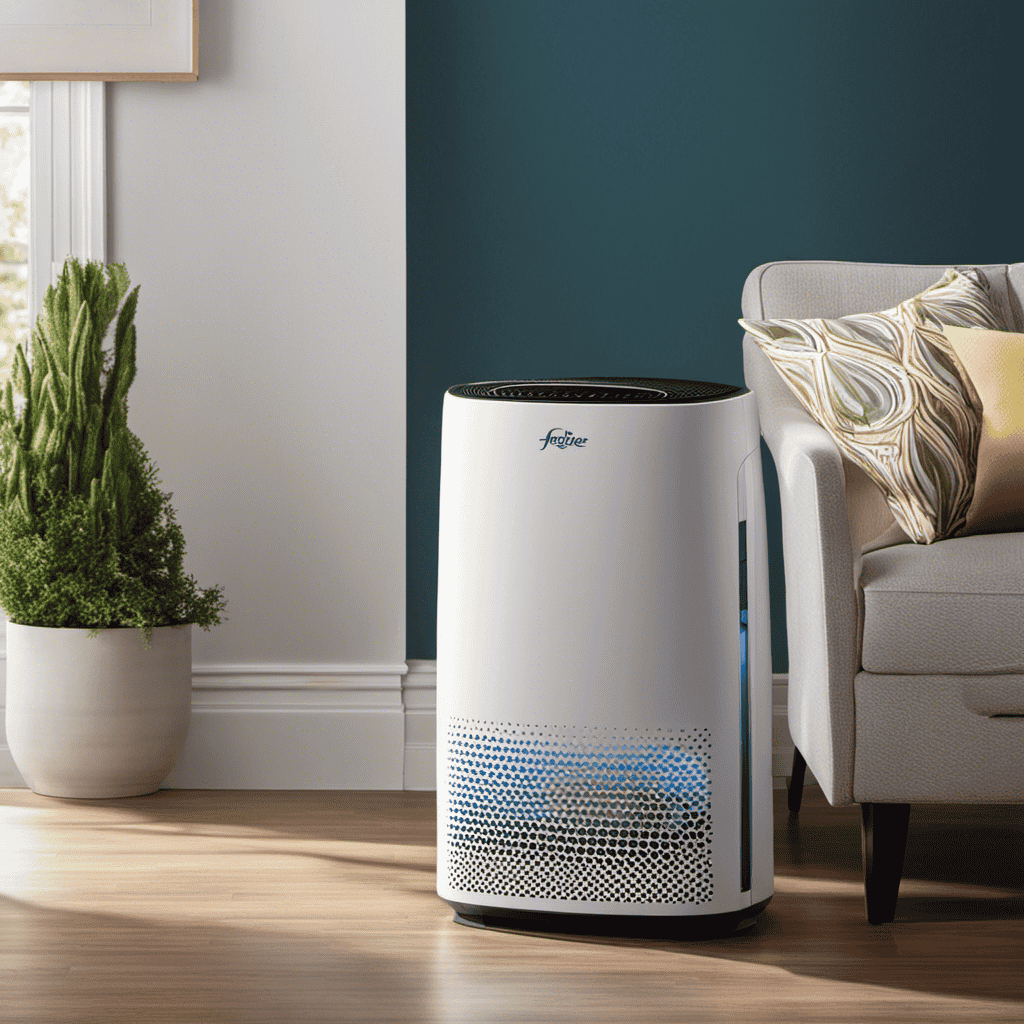
Sterilization purifiers are vital devices designed to eliminate bacteria, viruses, and other harmful microorganisms from the air and surfaces in your environment. Among the most effective methods they employ is thermodynamic sterilization, which uses heat to neutralize pathogens. This approach is often combined with advanced filtration techniques like UV filtration and HEPA technology to maximize purification. When you choose a heat-based air purifier, you’re investing in a system that not only destroys germs through high temperatures but also enhances overall air quality with multi-layered filtration.
UV filtration plays an indispensable role in sterilization purifiers by exposing airborne microorganisms to ultraviolet light, which damages their DNA and prevents reproduction. This process is highly effective against a broad spectrum of pathogens, including bacteria and viruses. When integrated into a heat-based purifier, UV filtration acts as an additional barrier, ensuring that even the most resilient microbes are neutralized. You’ll notice that UV sterilization is quick, safe, and requires no chemical additives, making it a popular feature in modern purifiers.
UV filtration enhances sterilization purifiers by quickly neutralizing airborne microbes safely without chemicals.
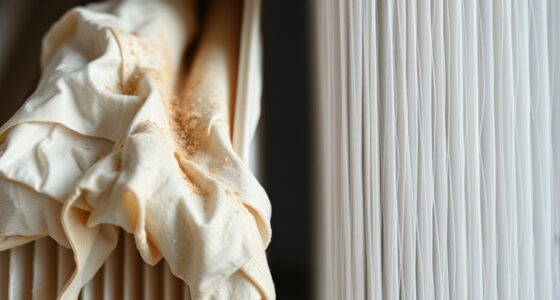
HEPA technology complements heat sterilization by trapping tiny particles, allergens, and microbes that might escape other filtration methods. HEPA filters are designed to capture particles as small as 0.3 microns with 99.97% efficiency. When combined with heat-based sterilization, these filters help remove dust, pollen, pet dander, and bacteria from the air, leaving your environment cleaner and healthier. This synergy allows you to breathe easier, especially if you suffer from allergies or respiratory issues.
The heat component in these purifiers is typically generated by heating elements that raise the temperature within the device to levels that effectively kill microorganisms. For example, some purifiers operate at temperatures above 150°C, ensuring that pathogens are not just captured but destroyed on contact. This process is especially useful in environments requiring thorough sterilization, such as medical facilities or homes with immunocompromised individuals. When you use a heat-based purifier with UV filtration and HEPA technology, you benefit from a holistic approach to air sterilization that addresses microorganisms at every stage.
Furthermore, incorporating proper maintenance ensures that sterilization purifiers continue to operate at peak efficiency, maintaining the safety and cleanliness of your environment.

COOSPIDER Powerful 80W UVC Sanitizer Light for HVAC Duct with 1 Spare Bulb, High-Power Duct UV Light for Whole Room with Ceramic Base, Dual H-Tube Design for Long-Lasting Performance
- Safety Precautions: Avoid exposure to skin and eyes
- Lamp Length: 13.7-inch for easy installation
- Sanitization Efficiency: 99.9% rate, 35% faster cleaning
As an affiliate, we earn on qualifying purchases.
As an affiliate, we earn on qualifying purchases.
Frequently Asked Questions
How Energy-Efficient Are Thermodynamic Sterilization Purifiers?
You’ll find that thermodynamic sterilization purifiers are quite energy-efficient, as they use less energy compared to traditional sterilization methods. Their design minimizes energy consumption, helping you save on operating costs over time. By focusing heat precisely where needed, they reduce waste and improve overall efficiency. This means you benefit from cleaner air while keeping energy bills manageable, making these purifiers a smart choice for cost-conscious users.
Do They Eliminate All Types of Airborne Pathogens?
Yes, thermodynamic sterilization purifiers effectively eliminate most airborne viruses and mold spores. They use heat to destroy pathogens quickly, reducing the risk of infection and mold growth. While they are highly efficient, no purifier guarantees 100% removal of all airborne contaminants. Regular maintenance and proper use guarantee ideal performance, making them a reliable choice for improving indoor air quality and reducing health risks from airborne viruses and mold spores.
What Maintenance Do These Purifiers Require?
You need to keep on top of maintenance to guarantee your purifier runs smoothly. Regularly replace filters as recommended and check for any buildup or damage. System calibration is essential to maintain peak performance, so schedule periodic calibration checks. Think of it as tuning up your car; neglecting it could lead to breakdowns. Staying proactive with these tasks helps your purifier stay effective and extends its lifespan.
Are They Safe for Use Around Children and Pets?
Yes, these purifiers are safe for use around children and pets when used properly. They don’t emit harmful chemicals or ozone, ensuring child safety and pet safety. However, always keep the device out of reach to prevent accidental burns from hot surfaces. Regular maintenance, like cleaning filters, helps keep the purifier effective and safe, providing peace of mind for your family’s health and safety.
How Long Does It Take to Sterilize a Room?
Imagine a swift, fiery dragon clearing the air — that’s how quickly you’ll see the sterilization speed with these purifiers. Typically, it takes about 30 minutes to an hour to effectively sterilize a room, depending on size and air quality. During this time, the purifier works relentlessly, improving air quality and reducing germs, so you can breathe easier and enjoy a safer environment in no time.
Conclusion
Imagine walking into a room where the air feels crisp and pure, like freshly fallen snow. That’s what thermodynamic sterilization purifiers offer—reliable, heat-based air cleaning that destroys germs at their source. Just like a lighthouse guides ships safely through fog, these purifiers cut through pollutants and pathogens, ensuring you breathe easier. With proven efficiency, they’re your shield against airborne contaminants, transforming your space into a sanctuary of clean, healthy air.