To reduce allergens during seasonal allergy seasons, keep windows closed during peak pollen times and run air purifiers with HEPA filters continuously. Regularly clean and vacuum with HEPA-equipped vacuums, wash bedding and curtains often, and shower after outdoor activities. Managing pet dander by bathing pets regularly and creating pet-free zones also helps. Implementing these strategies can make your indoor air healthier, and staying consistent will bring even more relief as you learn further tips.
Key Takeaways
- Use HEPA air purifiers in high-traffic rooms to trap airborne allergens like pollen, dust, and pet dander.
- Keep windows and doors closed during peak pollen seasons to prevent outdoor allergens from entering.
- Shower and change clothes after outdoor activities to remove pollen and reduce indoor allergen levels.
- Maintain regular cleaning routines, including dusting and vacuuming with HEPA filters, to minimize settled allergens.
- Groom pets outdoors and use allergen-proof bedding covers to lower indoor pet dander during allergy seasons.

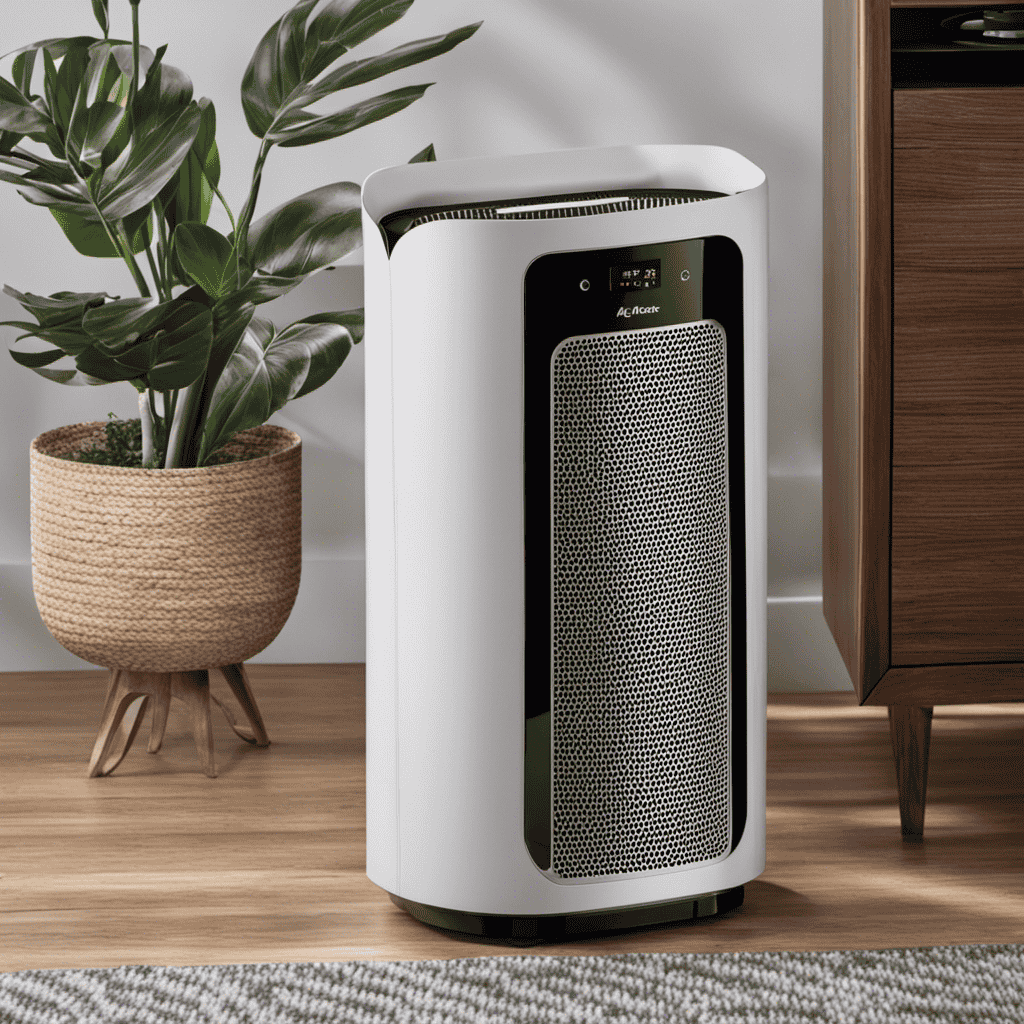
Are allergens making your home uncomfortable? If you’re tired of sneezing, itchy eyes, and congestion during allergy season, it’s time to take proactive steps. One of the most effective ways to reduce airborne allergens is to use an air purifier. These devices trap dust, pollen, mold spores, and pet dander, helping to clear the air you breathe. When choosing an air purifier, look for one with a HEPA filter, which can capture particles as small as 0.3 microns—covering most common allergens. Place it in rooms where you spend the most time, like your bedroom or living room, to maximize its benefits. Regularly changing the filters guarantees it continues to work efficiently. An air purifier doesn’t just improve air quality; it also minimizes allergy symptoms, making your environment more comfortable.
If you own pets, pet dander is likely a major contributor to your seasonal allergy woes. Pet dander consists of tiny skin flakes shed by animals, which can linger in the air and settle on surfaces. To combat this, establish a cleaning routine that includes frequent dusting and vacuuming with a HEPA-filter vacuum cleaner. Bathing your pets regularly reduces the amount of dander they shed. Consider designating certain areas as pet-free zones—especially your bedroom—to limit allergen exposure during sleep. Air purifiers can help here too, by continuously filtering out pet dander and other airborne particles. Additionally, grooming your pets outdoors minimizes the amount of dander brought into your home. Using allergen-proof covers on pillows and mattress protectors further reduces exposure while you sleep. These steps, combined with diligent cleaning, can considerably lower your allergen load and ease allergy symptoms.
It’s also helpful to keep windows closed during peak pollen seasons to prevent outdoor pollen from entering your home. Running your air purifier continuously during these times enhances indoor air quality. Showering and changing clothes after outdoor activities remove pollen and dander from your skin and clothing, preventing them from spreading indoors. Regularly washing bedding, curtains, and plush toys reduces accumulated allergens. Using a dehumidifier can help control mold growth, another common allergen during humid seasons. Implementing GMC tuning techniques can also help reduce indoor irritants by improving your home’s ventilation and filtration systems. These practices create an environment that’s less hospitable for allergens and more comfortable for you. Remember, managing allergens is an ongoing process. Combining the use of an air purifier, pet dander management, and good cleaning habits will greatly improve your indoor air quality and reduce allergy symptoms during seasonal peaks.

LEVOIT Air Purifier for Home Allergies and Pets Hair Smokers in Bedroom, H13 True HEPA Filter, 24db Filtration System Cleaner Odor Eliminators, Remove 99.97% Dust Smoke Mold Pollen, Core 300, White
- Certified by AHAM: Ensures reliable air quality performance
- Powerful Cleaning: 56W motor with 143 CFM CADR
- Effective Air Purification: HEPA-grade filter for dust, smoke, odors
As an affiliate, we earn on qualifying purchases.
As an affiliate, we earn on qualifying purchases.
Frequently Asked Questions
How Do Indoor Allergens Impact Seasonal Allergy Symptoms?
Indoor allergens like mold and dust mites can worsen your seasonal allergy symptoms by triggering your immune response. Mold spores grow in damp areas, so controlling indoor mold helps reduce exposure. Dust mites thrive in bedding and upholstery, so regular dust mite control is essential. When you minimize these indoor allergens, you’ll notice relief from sneezing, congestion, and itchy eyes during allergy season, making it easier to breathe and enjoy your daily activities.
Are Natural Remedies Effective for Allergy Relief During Peak Seasons?
Like a gentle breeze clearing stormy clouds, natural remedies can bring relief during peak allergy seasons. Herbal remedies soothe your symptoms, acting as calming rain on parched earth, while acupuncture treatments work like a guiding compass, restoring balance. Though not a miracle cure, these approaches can markedly ease discomfort, especially when combined with other strategies. Give them a try—you might find your personal oasis amid the seasonal chaos.
Can Diet Changes Help Reduce Allergy Symptoms?
Yes, diet changes can help reduce allergy symptoms. By making nutritional adjustments, you can strengthen your immune system and reduce inflammation. Avoid food sensitivities like dairy or gluten that may exacerbate your symptoms. Incorporate anti-inflammatory foods like fruits, vegetables, and omega-3 rich fish. These changes support your body’s ability to handle allergens better, potentially leading to fewer allergy symptoms during seasonal peaks.
What Are the Best Air Purification Options for Allergies?
You should choose an air purifier with HEPA filters, as they effectively trap airborne allergens like pollen, dust, and pet dander. Look for air purifier types designed for allergy relief, such as those with high-efficiency filtration systems. Make certain it covers your room size and runs quietly. Regularly changing filters maximizes performance, helping you breathe easier during allergy seasons. A HEPA-filtered air purifier is your best bet for allergy relief indoors.
How Do Weather Patterns Influence Allergen Levels?
Weather patterns markedly influence allergen levels through climate variability, which affects pollen dispersal. Warm, windy days increase pollen spread, while rain can temporarily wash allergens out of the air. You’ll notice higher allergy symptoms during dry, windy periods, especially when winds carry pollen over long distances. Understanding these patterns helps you predict allergy peaks and take precautions, like staying indoors or using air purifiers during high pollen dispersal events.
Conclusion
By taking simple steps like keeping windows closed and using air purifiers, you can considerably reduce allergens during allergy season. Did you know that pollen counts can increase by up to 200% during peak times? Staying proactive helps you breathe easier and enjoy the season more. Remember, small changes make a big difference—so start today and lessen your allergy symptoms for a more comfortable spring or fall.