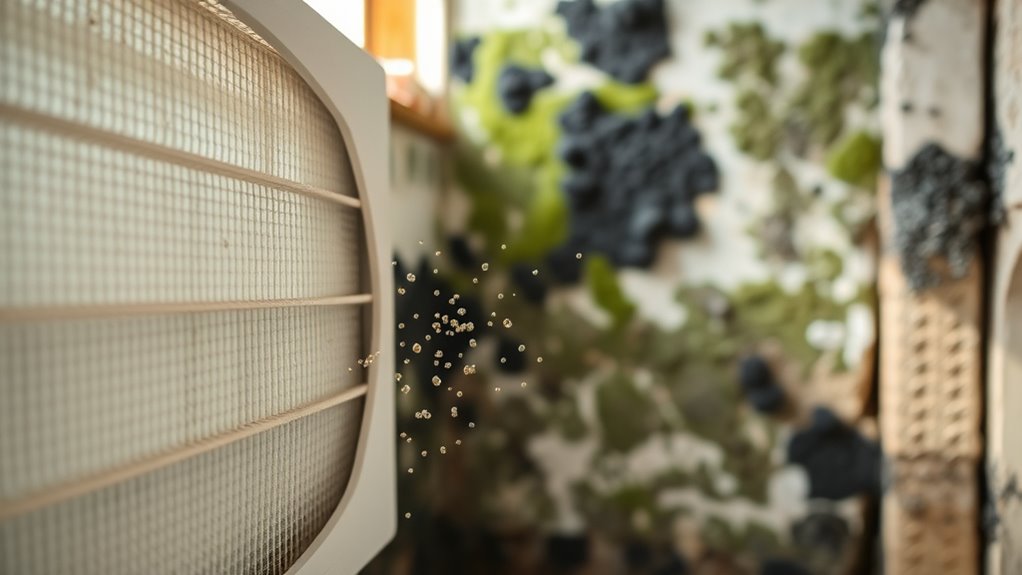

To address allergies to mold and fungi, focus on controlling indoor humidity below 50%, fixing leaks promptly, and ensuring proper ventilation in damp areas. Regularly clean problem zones with mold-killing solutions like vinegar or tea tree oil, and use HEPA filters to reduce spores circulating in the air. Natural remedies such as quercetin and local honey may also boost your immune response. Keep mold-prone areas dry and consider advanced tech like UV-C lights—learn more to breathe easier.
Listen free for 30 days with Audible
Thousands of audiobooks and originals — cancel anytime.
As an affiliate, we earn on qualifying purchases.
Key Takeaways
- Control indoor humidity below 50% and fix leaks to inhibit mold growth.
- Use HEPA filters and air purifiers to trap mold spores and improve air quality.
- Regularly clean mold-prone areas with vinegar, baking soda, or mold-killing solutions.
- Ensure proper ventilation in bathrooms, kitchens, and basements to reduce dampness.
- Wear masks during cleaning and consider UV-C light systems to minimize indoor mold spores.
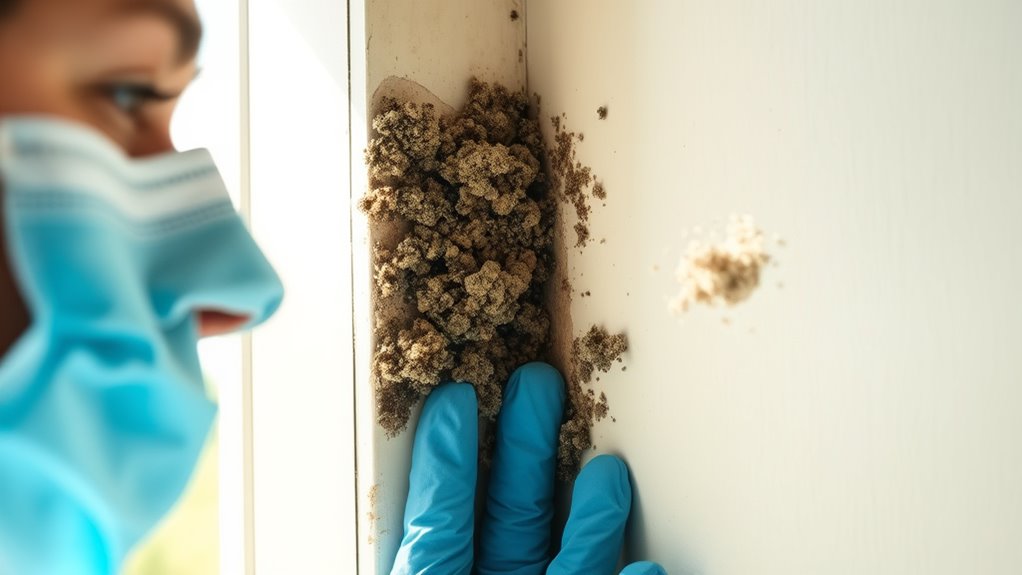
Are allergies interfering with your daily life? If mold and fungi are causing your symptoms, addressing indoor air quality should be your top priority. Mold spores and fungal particles thrive in damp, poorly ventilated spaces, making your home a breeding ground if you don’t take steps to improve your environment. You might notice sneezing, congestion, itchy eyes, or even asthma symptoms flaring up more than usual. To combat this, focus on reducing indoor mold and fungi, which can markedly lessen your allergic reactions and improve your overall well-being.
One of the most effective ways to address mold allergies is to improve indoor air quality. Start by controlling moisture levels—mold loves damp areas, so fix leaks promptly, use dehumidifiers, and ensure your home is well-ventilated. Regularly clean areas prone to mold growth, like bathrooms, basements, and kitchens, with mold-killing solutions. Keep humidity below 50% to inhibit mold growth, and consider using HEPA filters in your HVAC system or air purifiers to trap mold spores and fungal particles before they reach your respiratory system. These practical steps can make a noticeable difference in reducing your exposure.
While commercial treatments are available, natural remedies can also support your efforts to combat mold allergies. For example, incorporating natural antifungal agents like tea tree oil into cleaning routines can help eliminate mold colonies. Some people find that using vinegar or baking soda solutions effectively removes mold from surfaces without harsh chemicals. Additionally, maintaining a clean environment with regular dusting and vacuuming (using a HEPA filter vacuum) can reduce airborne fungal spores. You might also explore natural supplements, like quercetin or local honey, which some believe can help modulate allergic responses over time. These remedies not only support your immune system but also help create a healthier environment overall.
In recent developments, the use of Advanced Air Purification Technologies such as UV-C light systems is gaining popularity for their ability to further reduce mold spores in indoor air. Avoiding exposure remains vital. Keep windows closed during high mold seasons or when mold levels are elevated outside, and wear masks if you’re cleaning moldy areas. Be cautious about indoor plants, which can harbor mold if overwatered or kept in humid conditions. Regularly inspect and clean HVAC systems and filters, since they can circulate mold spores throughout your home if neglected. Staying vigilant about indoor air quality, combined with natural remedies and environmental controls, empowers you to take control of your allergies. With consistent effort, you can breathe easier, reduce symptoms, and regain comfort in your living space.
HEPA air purifier for mold spores
As an affiliate, we earn on qualifying purchases.
As an affiliate, we earn on qualifying purchases.
Frequently Asked Questions
Can Mold Allergies Develop Suddenly Without Prior Symptoms?
Yes, mold allergies can develop suddenly without prior symptoms. You might experience a sudden onset of allergy emergence, catching you off guard. Even if you’ve never had issues before, exposure to mold or fungi can trigger an allergic response unexpectedly. Your immune system can become sensitive over time, leading to new allergies. Stay aware of symptoms like sneezing, congestion, or itchy eyes, especially if you notice them after being in damp or mold-prone environments.
Are There Natural Remedies Effective Against Mold Allergy Symptoms?
Yes, natural remedies can help with mold allergy symptoms. While herbal remedies like butterbur or quercetin may reduce inflammation, dietary changes such as increasing antioxidants and avoiding mold-prone foods support your immune system. Imagine battling allergies with nature’s tools instead of pharmaceuticals—this contrast highlights their gentle yet effective role. Incorporate herbal remedies and adjust your diet to soothe symptoms naturally, giving you relief without harsh side effects.
How Long Does It Take to See Improvement After Mold Removal?
You might see improvement in symptoms within a few days to a couple of weeks after mold removal, but it varies based on your immune response timeline. As air quality improves, your body begins to recover, and allergy symptoms decrease. Keep monitoring your symptoms, and stay proactive with air purifiers and ventilation. Consistent mold remediation accelerates your recovery, helping you breathe easier sooner.
Are Mold Allergy Symptoms Different From Other Respiratory Allergies?
Mold allergy symptoms often resemble other respiratory allergies but can include additional signs like sinus congestion, wheezing, and asthma-like symptoms. You might notice that mold allergy causes more persistent nasal stuffiness and throat irritation, especially in damp environments. While allergy symptoms overlap, mold allergies typically involve specific respiratory symptoms linked to mold exposure, so paying attention to your environment and symptoms can help you distinguish between mold allergy and other respiratory allergies.
Can Children Outgrow Mold Allergies Over Time?
Children can outgrow mold allergies as their immune systems develop, especially with positive child resilience and proper management. Developmental factors, like immune system changes and reduced exposure, play a role in decreasing allergy symptoms over time. You should monitor your child’s reactions and consult an allergist for personalized advice. With consistent care and support, many children experience significant improvement, possibly outgrowing their mold allergies altogether.
Conclusion
Now that you know how to identify and reduce mold and fungi in your environment, the real challenge begins. Will you take action today or wait until symptoms worsen? Every choice you make can either bring relief or prolong your discomfort. The key is to stay vigilant and proactive. The question remains—are you ready to confront these hidden allergens before they take control? Your next move could be the turning point in reclaiming your health.
Fall Picks
fall essentials
As an affiliate, we earn on qualifying purchases.