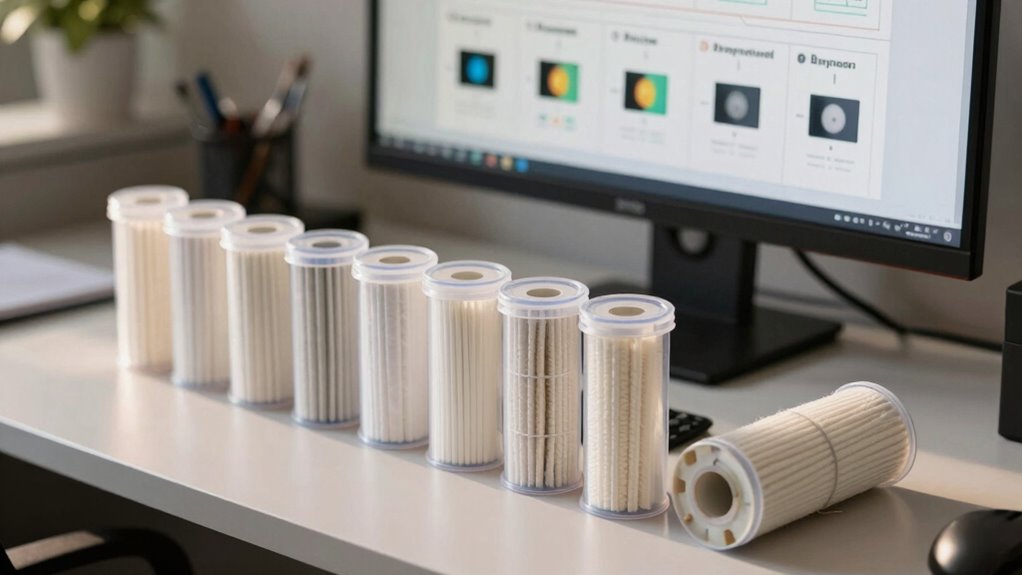
The hidden cost most people overlook in filter replacement budgets is the long-term impact on system performance and indoor air quality. When you don’t allocate enough funds for regular filter changes, filters can clog, causing your HVAC system to work harder, increase energy bills, and wear out faster. Without proper planning, you risk unexpected breakdowns and higher repair costs. Keep in mind that a well-structured budget helps maintain both comfort and efficiency—learn more to avoid these hidden expenses.
Key Takeaways
- Overlooking filter replacement costs can lead to increased energy bills and premature equipment failure.
- Inadequate budgeting causes inconsistent air quality, risking health and comfort.
- Failure to account for labor, disposal, and repairs inflates maintenance expenses unexpectedly.
- Poor scheduling results in costly emergency replacements and system downtime.
- Proper budget planning ensures timely filter changes, extending equipment lifespan and maintaining indoor air quality.
Managing filter replacement budgets is crucial for maintaining ideal equipment performance and controlling expenses. When you keep a close eye on these budgets, you ensure your systems run smoothly, and your indoor environment stays healthy. Poor filter management can lead to decreased air quality, which impacts occupant comfort and health, and can also cause equipment to work harder, increasing energy costs and the risk of breakdowns. To avoid these pitfalls, you need to integrate filter replacements into your maintenance schedules systematically. Regularly scheduled filter changes are not just about routine; they’re a critical part of maintaining optimal air quality and system efficiency. When filters are replaced on time, you prevent dust, allergens, and other pollutants from circulating, which keeps indoor air clean and safe. This proactive approach also helps extend the lifespan of your equipment, saving money in the long run. Additionally, leveraging smart appliances and connected systems can help monitor filter performance remotely, making maintenance even more efficient.
Effective filter management saves costs, improves air quality, and extends equipment lifespan through proactive scheduling and budgeting.
By establishing a clear maintenance schedule, you set up a predictable routine that minimizes emergency replacements and costly repairs. It’s tempting to delay filter changes to save money, but doing so often results in reduced air quality and increased operational costs. Filters that are too dirty restrict airflow, forcing your HVAC or air filtration systems to work harder, which uses more energy and accelerates wear and tear. You should base your schedules on manufacturer recommendations, environmental conditions, and actual usage patterns. For example, in dusty environments, filters may need replacing more frequently, which should be reflected in your budget planning. Keeping detailed records of each replacement helps you identify trends and optimize your maintenance schedule further.
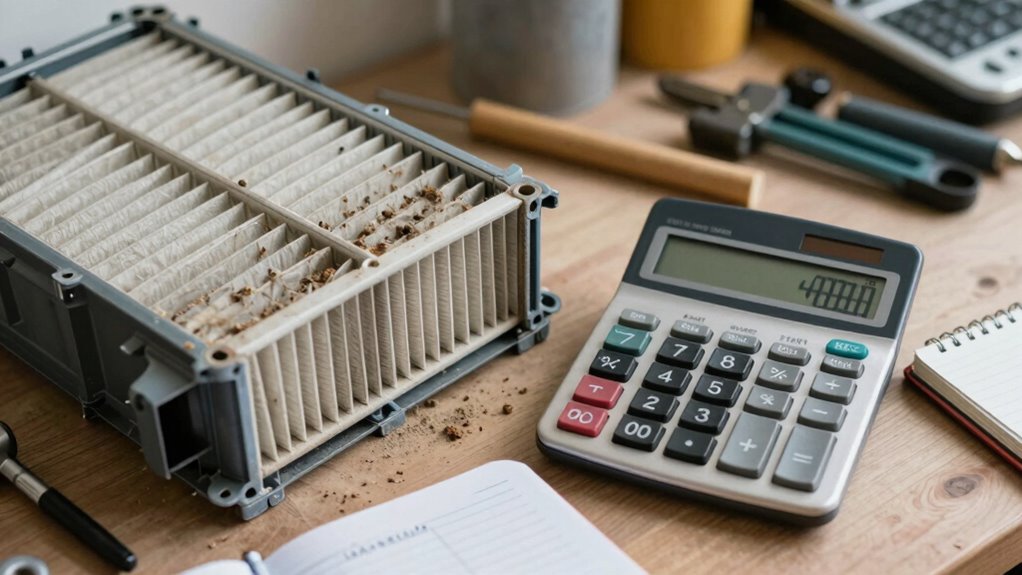
Budgeting for filter replacements isn’t just about the cost of the filters themselves; it’s about anticipating labor, disposal, and potential repairs. When you account for these factors, your budget becomes more accurate and effective. Neglecting to allocate enough funds can lead to haphazard replacements, resulting in inconsistent air quality and unnecessary strain on your equipment. It’s worth investing in high-quality filters and a reliable inventory system to ensure replacements are timely and cost-effective. By aligning your budget with a disciplined maintenance schedule, you create a cycle that promotes excellent air quality, system reliability, and cost control.
Ultimately, managing filter replacement budgets isn’t a one-time task; it’s an ongoing process that requires attention and adjustments. When you understand how vital proper budgeting and scheduling are, you’ll make smarter decisions that benefit your entire operation. Maintaining good air quality, adhering to maintenance schedules, and controlling expenses all go hand-in-hand, ensuring your equipment performs at its best while keeping your environment safe and comfortable.

AprilAire 1413 Air Filter High-Performance Upgrade Kit for 2140 and 2400 Air Purifiers – Replaces Filter Model 401
Brand-New Air Purifier Performance at a Fraction of the Cost – Improve performance by converting your AprilAire 2140…
As an affiliate, we earn on qualifying purchases.
As an affiliate, we earn on qualifying purchases.
Frequently Asked Questions
How Often Should I Check My Filter’s Condition?
You should check your air filter’s condition at least once a month to guarantee peak performance. The air filter lifespan varies, but regular inspections help you catch when it’s dirty or clogged. Add filter checks to your maintenance checklist, especially during seasonal changes, so you don’t overlook early signs of wear. Prompt replacement not only improves air quality but also prevents costly damage to your HVAC system.
Do Different Filters Require Different Replacement Schedules?
Yes, different filters have varying lifespans, so their replacement schedules differ. For example, HEPA filters typically last 6-12 months, while basic air filters may need changing every 1-3 months. By understanding each filter’s lifespan, you can plan for replacement costs and avoid unexpected expenses. Regularly checking your filters helps you stay on top of their condition, ensuring peak performance and saving you money in the long run.
What Signs Indicate My Filter Needs Replacing Sooner?
You might notice subtle changes in your home’s air quality, like lingering odors or dust settling faster, hinting it’s time for a filter change. If allergy relief becomes less effective or you’re sneezing more, those are signs your filter’s cleaning power is diminishing. Pay close attention to these cues, as fresh filters help maintain peak air quality and keep allergy symptoms at bay, ensuring a healthier, more comfortable environment.
Can Neglecting Filter Replacement Affect My Energy Bills?
Neglecting filter replacement can increase your energy bills because dirty filters reduce airflow, forcing your system to work harder. This extra effort raises energy consumption and impacts your air quality by circulating dust and allergens. Over time, poor maintenance costs add up, affecting your system’s efficiency and lifespan. Regularly changing filters keeps your HVAC running smoothly, saving you money and ensuring healthier indoor air.
Are There Eco-Friendly Filter Options Available?
You’re in luck—there are eco-friendly options for filters that let you do your part for the planet. Sustainable filters made from biodegradable or recycled materials are widely available, helping you reduce waste. Switching to these eco-friendly options not only supports environmental health but also keeps your home’s air clean. Think of it as hitting two birds with one stone, making smart choices that benefit both your wallet and the Earth.

GoveeLife Smart Air Purifier for Home Large Rooms, Covers up to 1046 ft², PM2.5 Monitor, Sleep Mode, 3-in-1 Filter Air Purifier with App and Alexa Control for Pet Hair, Odors, Pollen and Smoke
Efficient Purification for Large Spaces: With a CADR of 135 CFM and advanced tech, Smart Air Purifier can…
As an affiliate, we earn on qualifying purchases.
As an affiliate, we earn on qualifying purchases.
Conclusion
Just like a well-tuned instrument, your filter replacement budget keeps your system humming smoothly. Overlooking these costs is akin to ignoring the unseen cracks in a vessel destined for calm seas. By understanding and planning for filter replacements, you prevent small leaks from turning into catastrophic floods. Remember, even the greatest symphony relies on each note—so too does your system depend on timely filter changes. Stay vigilant, and let your budget be the steady conductor of efficiency.

Filterbuy 20x25x4 Air Filter MERV 8 Essential Dust & Allergy Defense (2-Pack), Electrostatic Pleated HVAC AC Furnace Filters Replacement, Made in USA (Actual Size: 19.50 x 24.50 x 3.63)
UNIVERSAL COMPATIBILITY: 20x25x4 replacement air filters for your furnace, air conditioner, or heat pump enhance HVAC system efficiency…
As an affiliate, we earn on qualifying purchases.
As an affiliate, we earn on qualifying purchases.
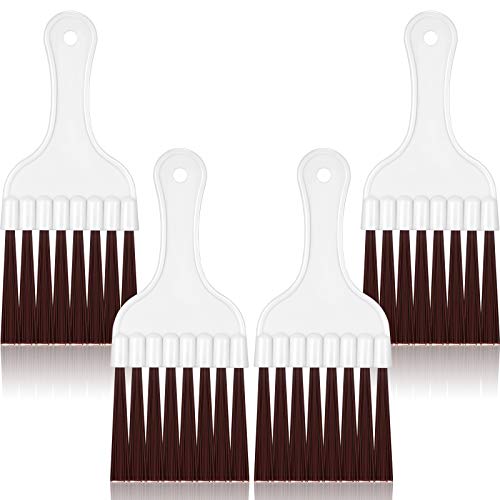
Boao 4 Packs Coil Brush Air Conditioner Condenser Refrigerator Cleaning HVAC Coil Cleaner Small Plastic Whisk Brush (Brown)
Package Includes: 4 packs air conditioner condenser cleaning brush in package, you can use them to clean different…
As an affiliate, we earn on qualifying purchases.
As an affiliate, we earn on qualifying purchases.