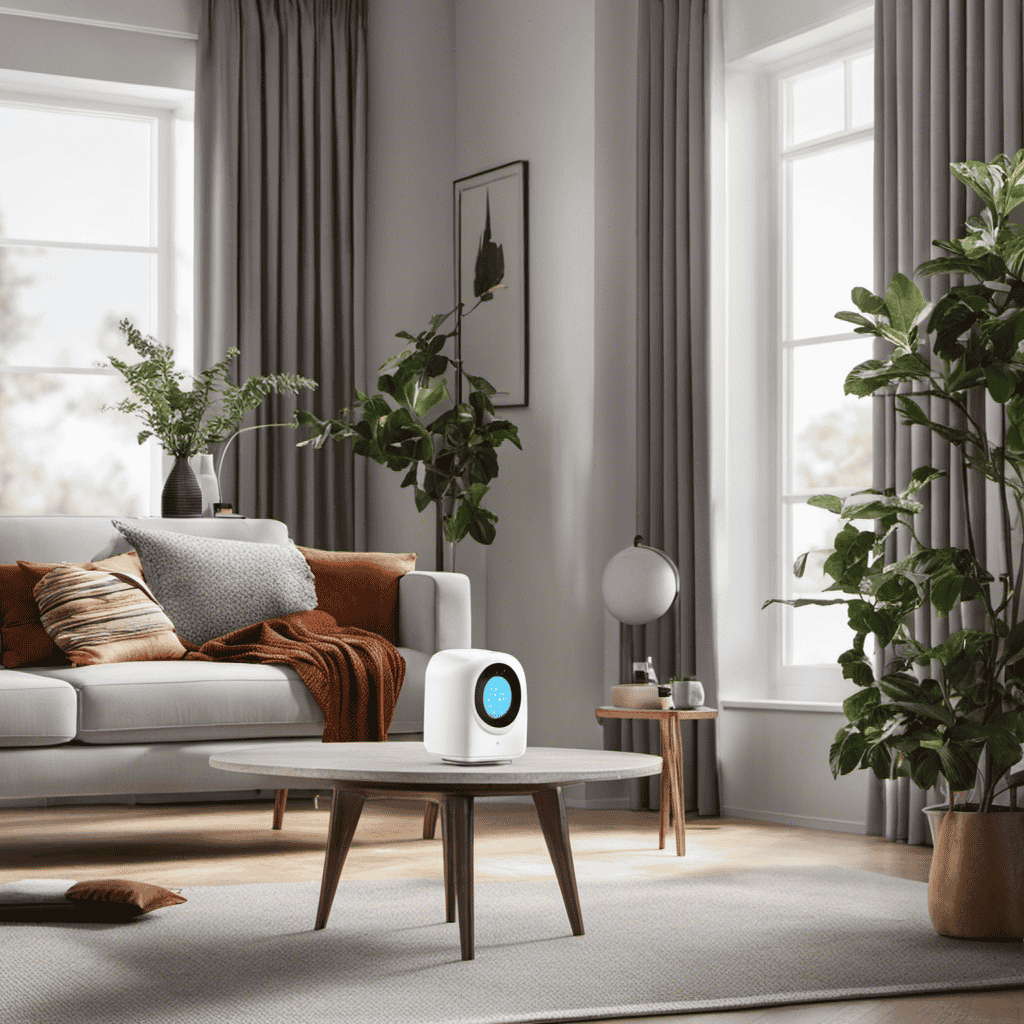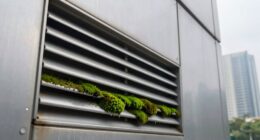
To protect your indoor air quality from wildfire smoke, follow the ‘seal first’ rule: seal all gaps, cracks, and entry points around windows, doors, vents, and siding with weather stripping, caulking, or plastic sheeting. Doing this creates a barrier that prevents smoke particles from sneaking inside and damaging your filters. If you keep these gaps closed, your filters will last longer and work more effectively, keeping you healthier during wildfire season. Keep going to learn even more tips to safeguard your home.
Key Takeaways
- Sealing gaps and cracks prevents wildfire smoke from infiltrating indoor air, protecting filters from excessive contamination.
- Proper sealing maintains indoor air quality and extends the lifespan of HVAC filters during wildfire season.
- The ‘Seal First’ rule emphasizes sealing before smoke exposure to effectively reduce indoor pollution.
- Sealed homes require less energy for filtration, saving on costs and improving HVAC efficiency.
- Using weather stripping, caulking, and barriers creates a stronger indoor defense against wildfire smoke.

Have you ever wondered how wildfire smoke manages to seep inside your home and affect your indoor air quality? It’s a common concern during wildfire season, especially when smoke drifts close to your neighborhood. The truth is, smoke particles are tiny and can find their way through small gaps, cracks, and unsealed areas in your home’s structure. This infiltration compromises your indoor air quality, making it harder to breathe comfortably and risking your respiratory health. The good news is that you can considerably reduce this infiltration by sealing your home properly before wildfire season intensifies.
Sealing your home isn’t just about comfort; it’s an essential step in protecting your indoor environment from harmful wildfire smoke. When you focus on sealing gaps around windows, doors, vents, and other potential entry points, you create a barrier that prevents smoke from sneaking inside. Think of your home as a fortress — the tighter the seal, the less smoke and outdoor pollutants can infiltrate your living space. This simple but effective step helps maintain better air quality indoors, which is imperative for your respiratory health. Especially if you or family members have asthma, allergies, or respiratory issues, reducing smoke exposure becomes even more important.
Sealing gaps protects indoor air quality and respiratory health during wildfire season.
To seal your home effectively, start by inspecting all entry points. Use weather stripping on windows and doors, and consider caulking any gaps around your window frames and siding. Don’t forget vents, exhaust fans, and other openings that may be overlooked. Covering these with appropriate sealants or temporary barriers like plastic sheeting can make a big difference. Remember, even small cracks can allow enough smoke particles to enter and degrade indoor air quality. When you take the time to seal these areas, you’re not just blocking smoke; you’re also improving your home’s overall energy efficiency and comfort. Additionally, understanding the importance of home sealing and its impact on indoor air quality can help you make more informed decisions during wildfire season.
Another key aspect is ensuring your HVAC system is equipped with high-quality filters that can trap fine particles from wildfire smoke. But filters can only do their job effectively if the home is sealed well enough to limit the amount of smoke that reaches the system in the first place. By sealing your home first, you protect your HVAC filters and make sure they last longer and work more efficiently. This not only reduces your exposure to harmful particles but also saves you money on filter replacements and energy costs.
In essence, sealing your home before wildfire smoke arrives is a simple, proactive step that can drastically improve indoor air quality and safeguard your respiratory health. It’s about creating a barrier that keeps out harmful smoke particles, ensuring you breathe cleaner air and stay healthier during wildfire events. The ‘seal first’ rule isn’t just about comfort — it’s about making your home a safe haven amid the smoky chaos outside.

33 Ft Gray Self-Adhesive Soundproofing Weather Stripping for Doors and Windows, 0.35" Wide x 0.2" Thick
Strong Adhesive, Saves Money】Weather stripping door seal prevent heat and cold from escaping, save your heating and cooling…
As an affiliate, we earn on qualifying purchases.
As an affiliate, we earn on qualifying purchases.
Frequently Asked Questions
How Often Should I Replace Indoor Air Filters During Wildfire Season?
You should replace your indoor air filters every 30 to 60 days during wildfire season. Regular filter maintenance helps maintain indoor air quality by trapping smoke particles effectively. Keep your filters sealed properly to prevent unfiltered air from bypassing, which can reduce their lifespan. If you notice increased dust or odors, consider replacing filters sooner. Staying on top of filter maintenance guarantees cleaner air and better indoor air quality during smoky months.
Can Indoor Plants Improve Air Quality During Wildfires?
Indoor plants can improve air quality during wildfires by absorbing pollutants and increasing humidity, which helps your indoor environment feel fresher. Their plant benefits include natural air filtration and aesthetic appeal. While they won’t eliminate wildfire smoke entirely, adding plants like snake plants or pothos can supplement your air filtration efforts. Remember, they work best when combined with proper sealing and air filtration techniques for ideal indoor air quality.
What Are the Best Air Purifiers for Wildfire Smoke?
You should choose an air purifier with HEPA filters and activated carbon technology to effectively remove wildfire smoke. Look for models with high CADR ratings for smoke removal. To keep it working efficiently, follow filter maintenance tips like replacing filters regularly and sealing your room properly. This guarantees the purifier captures harmful particles without overworking, extending its lifespan and maintaining healthy indoor air during wildfire seasons.
Do Window Seals Really Prevent Outdoor Smoke From Entering?
Think of your home as a fortress against wildfire smoke, where window seals act as the sturdy gates. Proper window insulation and regular seal maintenance create a barrier that considerably reduces outdoor smoke infiltration. While no seal is perfect, a well-maintained seal keeps the smoky tendrils at bay, ensuring cleaner indoor air. Keep your seals tight and check them often—your home’s defenses depend on it.
How Long Does Wildfire Smoke Typically Stay Indoors After a Fire?
Wildfire smoke can stay indoors for several hours to days, depending on ventilation timing and how well your space is sealed. To speed smoke dissipation, open windows and use fans strategically when outdoor air quality improves. Keep doors and windows sealed during high smoke periods to prevent new smoke from entering. Properly timed ventilation helps clear residual smoke faster, but avoid opening windows during peak smoke to protect indoor air quality.

Mokani Caulk Tape Waterproof Self Adhesive, 2 Rolls White Caulking Sealant Strip for Kitchen, Countertop, Bathroom, Sink, Bathtub, Toilet, Floor Wall Edge Protector with Sealing Tool (1.5" x 10.5Ft)
【Size】Each roll Width: 38mm/1.5 inch, Length: 3.2m/126 inch.
As an affiliate, we earn on qualifying purchases.
As an affiliate, we earn on qualifying purchases.
Conclusion
By sealing your home properly first, you prevent wildfire smoke from sneaking in and overwhelming your filters. Some might think it’s unnecessary or too much effort, but skipping this step can mean constantly battling smoky air instead of solving it. Taking the time to “seal first” guarantees your filters work efficiently, saving you money and stress. It’s a small step that makes a big difference—so don’t overlook it when protecting your indoor air.

Plastic Sheeting (10' x 25') Long, 3 Mil (2 Pack) – UV Protection Poly Sheeting Polyethylene Film, Heavy Duty Greenhouse Plastic Sheeting
Multi-Purpose Plastic Sheeting – Made from high-quality 3-mil thick polyethylene, this plastic sheeting is designed for a variety…
As an affiliate, we earn on qualifying purchases.
As an affiliate, we earn on qualifying purchases.
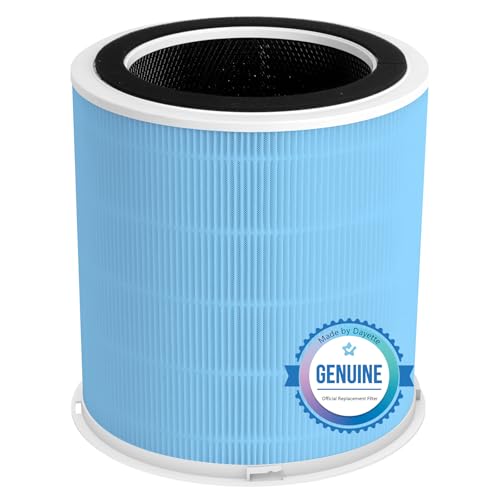
Smoke Wildfire Filter H14 Replacement Filter Compatible with DAYETTE Air Purifier AP401 AP402, 4-in-1 H14 Grade True HEPA, High-Efficiency Activated Carbon
【𝐅𝐨𝐫 𝐀𝐏𝟒𝟎𝟏 𝐀𝐏𝟒𝟎𝟐】This Smoke Wildfire Filter is specially designed for Dayette AP401 AP402 Air Purifiers,not compatible with other…
As an affiliate, we earn on qualifying purchases.
As an affiliate, we earn on qualifying purchases.