
Relying solely on sleep mode or quick fixes like naps can hurt your sleep quality and mess up your natural rhythm. Skipping your usual routine or taking long naps might leave you groggier and disrupt your sleep cycle. Creating a calming environment and sticking to consistent habits are better for restful nights. If you want to understand how to improve your sleep naturally, keep exploring ways to optimize your habits and environment.
Key Takeaways
- Relying solely on sleep mode can disrupt sleep quality and natural rhythms.
- Quick fixes like naps may cause grogginess and interfere with nighttime sleep.
- Establishing consistent routines and a calming environment promotes better, restorative sleep.
- Irregular sleep schedules and late naps can weaken circadian rhythm and reduce sleep effectiveness.
- Prioritizing sleep hygiene and routine signals helps achieve more restful, rejuvenating sleep.
While sleep mode might seem like an easy fix for restless nights or busy schedules, it’s not always the best strategy for a restful or productive night. Relying solely on sleep mode, especially when it involves quick fixes like naps or skipping bedtime routines, can actually interfere with your sleep quality. Instead of helping you recharge, these habits might leave you feeling groggier and less energized the next day. Good sleep isn’t just about the hours you clock; it’s about the consistency and quality of those hours. That’s why establishing effective nighttime routines plays such a crucial role in promoting better sleep.
Nighttime routines set the stage for your body and mind to wind down, signaling that it’s time to rest. When you skip or rush through these routines, you disrupt your natural sleep signals. For example, if you often scroll through your phone right before bed, the blue light emitted can inhibit melatonin production, making it harder to fall asleep. Similarly, irregular bedtimes or inconsistent routines contribute to fragmented sleep, reducing your overall sleep quality. Instead, aim for a calming routine that helps you relax—reading, gentle stretching, or listening to soothing music. These activities help your brain transition smoothly from wakefulness to sleep, improving both how quickly you fall asleep and how restful your sleep remains. Additionally, sleep environment factors like room temperature and noise levels can significantly influence your sleep quality. Creating an optimal sleep environment can support your efforts to establish consistent routines. Being mindful of sleep hygiene can further enhance your chances of restful sleep. Incorporating sleep cues such as dim lighting or aromatherapy can also help condition your body to recognize when it’s time to rest. Moreover, understanding the importance of circadian rhythms can help you align your sleep schedule more effectively with your natural biological clock.
You might also think that sleeping in or taking frequent naps during the day can compensate for poor nighttime sleep, but this often backfires. Napping too long or too late in the day can throw off your circadian rhythm, making it harder to fall asleep at night. Instead, focus on maintaining a consistent sleep schedule, even on weekends. This regularity reinforces your body’s internal clock, leading to more restorative sleep. When your sleep quality improves, you’ll wake up feeling more refreshed and alert, ready to tackle the day with energy and clarity. Recognizing the importance of sleep quality can motivate you to adopt better habits that support your overall health.
In essence, sleep mode isn’t a one-size-fits-all solution. Rushing into sleep or relying on quick fixes can undermine your sleep quality over time. Instead, prioritize establishing calming nighttime routines that signal to your body it’s time to rest. Consistency is key—your body thrives on predictable patterns. By doing so, you’ll find that sleep becomes more natural, more restorative, and ultimately more beneficial for your overall well-being.
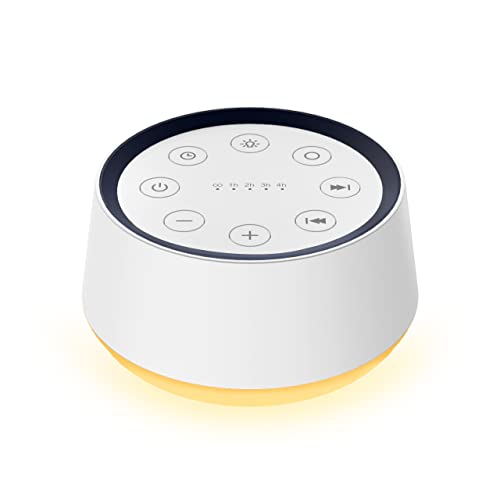
Brown Noise Sound Machine with 30 Soothing Sounds 12 Colors Night Light White Noise Machine for Adults Baby Kids Sleep Machines Memory Function 36 Volume Levels 5 Timers for Home Office Travel
- 30 Soothing Sounds: Includes natural, fan, lullabies, and noise
- 12 Color Night Lights: Customize lighting to suit your mood
- 10 Brightness Levels: Adjustable soft lighting for comfort
As an affiliate, we earn on qualifying purchases.
As an affiliate, we earn on qualifying purchases.
Frequently Asked Questions
Can Sleep Mode Negatively Affect My Overall Sleep Quality?
Yes, sleep mode can negatively affect your overall sleep quality. It may cause sleep disruption, waking you up intermittently, which prevents deep, restorative sleep. Additionally, sleep mode can lead to dream interference, making it harder to achieve a peaceful, uninterrupted rest. If you find yourself experiencing these issues, consider adjusting your sleep environment or routines to promote better, more consistent sleep cycles.
Is Sleep Mode Suitable for Everyone Regardless of Age?
Think of sleep mode as a suit of armor—useful for some but not for everyone. Age considerations matter; kids and seniors might find it disruptive or incompatible with their devices. While it can help conserve battery and reduce distractions, it’s not suitable for all ages. Always check device compatibility and tailor your approach to your specific needs, ensuring you’re not sacrificing comfort or health for the sake of convenience.
How Does Sleep Mode Impact Mental Health Over Time?
Sleep mode can negatively impact your mental health over time by causing sleep deprivation, which leads to increased stress and anxiety. It may also cause dream disruption, preventing your brain from completing essential sleep cycles. Consistent disturbance of deep sleep stages hampers memory and emotional regulation. Over time, these effects can contribute to mood disorders and cognitive decline. To protect your mental health, prioritize a regular sleep schedule and avoid prolonged reliance on sleep mode.
Are There Specific Devices Better Suited for Sleep Mode?
Some devices are better suited for sleep mode because they optimize device energy use and offer sleep mode convenience. Look for gadgets with low power consumption and smart sleep settings, like smartphones with adaptive sleep features or smart home devices that automatically enter energy-saving modes. These devices help conserve energy, reduce distractions, and make it easier to manage your nighttime environment, ultimately supporting healthier sleep habits.
What Are the Alternatives to Sleep Mode for Better Sleep?
You can improve your sleep by focusing on good sleep hygiene and optimizing your sleep environment. Establish a consistent bedtime routine, avoid screens before bed, and limit caffeine intake. Create a cool, dark, and quiet sleep environment to promote restful sleep. Instead of relying solely on sleep mode, these strategies help your body wind down naturally, leading to better sleep quality and waking up refreshed.
Conclusion
Remember, sleep mode isn’t a one-size-fits-all solution—it’s more like a map with detours rather than a straight road. Sometimes, pushing beyond the usual sleep routine can reveal what your body truly needs. Listen to your body’s whispers, not just the alarms, and be willing to navigate the winding path of restful nights. After all, achieving quality sleep is like finding the secret ingredient in a recipe—it takes patience and a bit of experimentation.