In the first 24 hours, you should focus on maximizing ventilation by opening windows, using exhaust fans, and employing mechanical systems like HRVs or ERVs to bring in fresh air and remove pollutants. Air purifiers can quickly filter dust, VOCs, and allergens, providing immediate relief. Keeping air moving helps guarantee a healthier environment from the start. If you want to discover more ways to improve your indoor air, there’s plenty to explore.
Key Takeaways
- Open windows and use exhaust fans to promote fresh air circulation and remove pollutants during the initial 24 hours.
- Implement air purifiers with high-quality filters to quickly reduce airborne particles and improve indoor air quality.
- Utilize mechanical ventilation systems like HRVs or ERVs to ensure consistent fresh air exchange.
- Remove VOCs, dust, and construction pollutants promptly to prevent lingering irritants.
- Establish a continuous airflow strategy to create a healthier, cleaner indoor environment from the start.
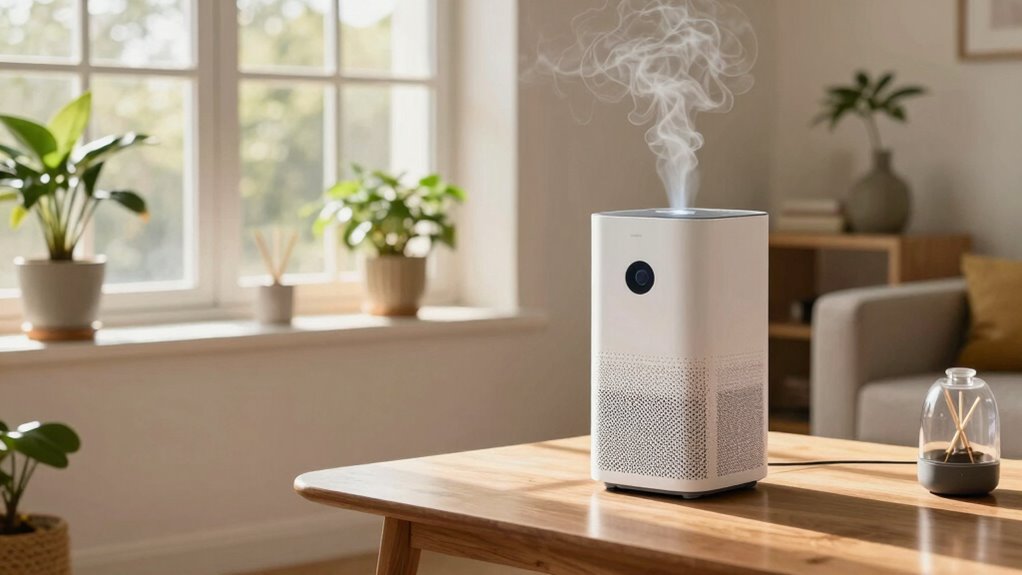
When you first move into a new home or renovate an existing space, the air quality during the initial 24 hours can set the tone for the environment you’ll breathe every day. This is a critical window to implement strategies like ventilation improvements to ensure fresh, clean air. Proper ventilation helps remove volatile organic compounds (VOCs), dust, and other indoor pollutants that can accumulate during construction or renovation. By opening windows and using exhaust fans, you allow stale air to escape and fresh air to circulate, reducing the risk of irritants lingering in your space. These initial steps make a noticeable difference in creating a healthier indoor environment from the outset.
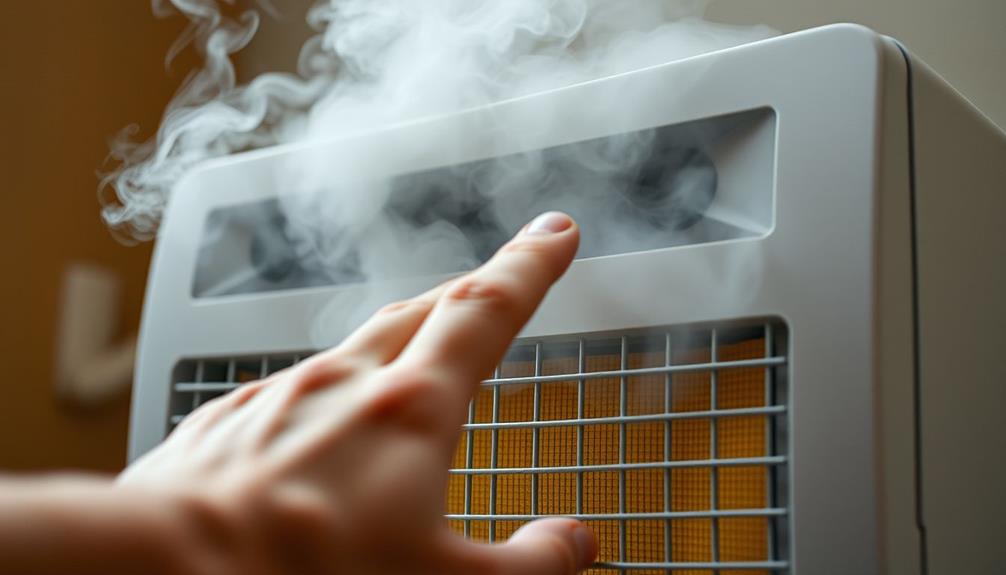
Opening windows and exhaust fans during initial move-in or renovation improves air quality immediately.
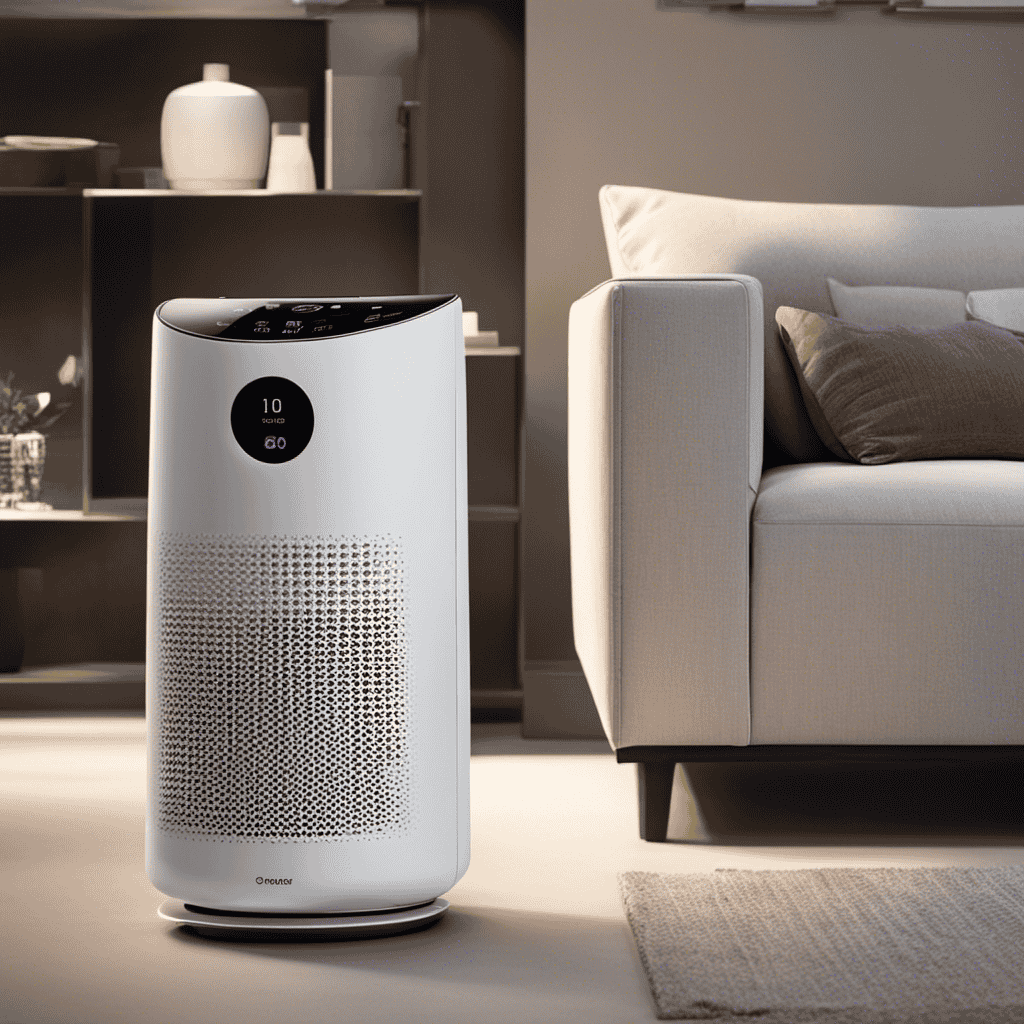
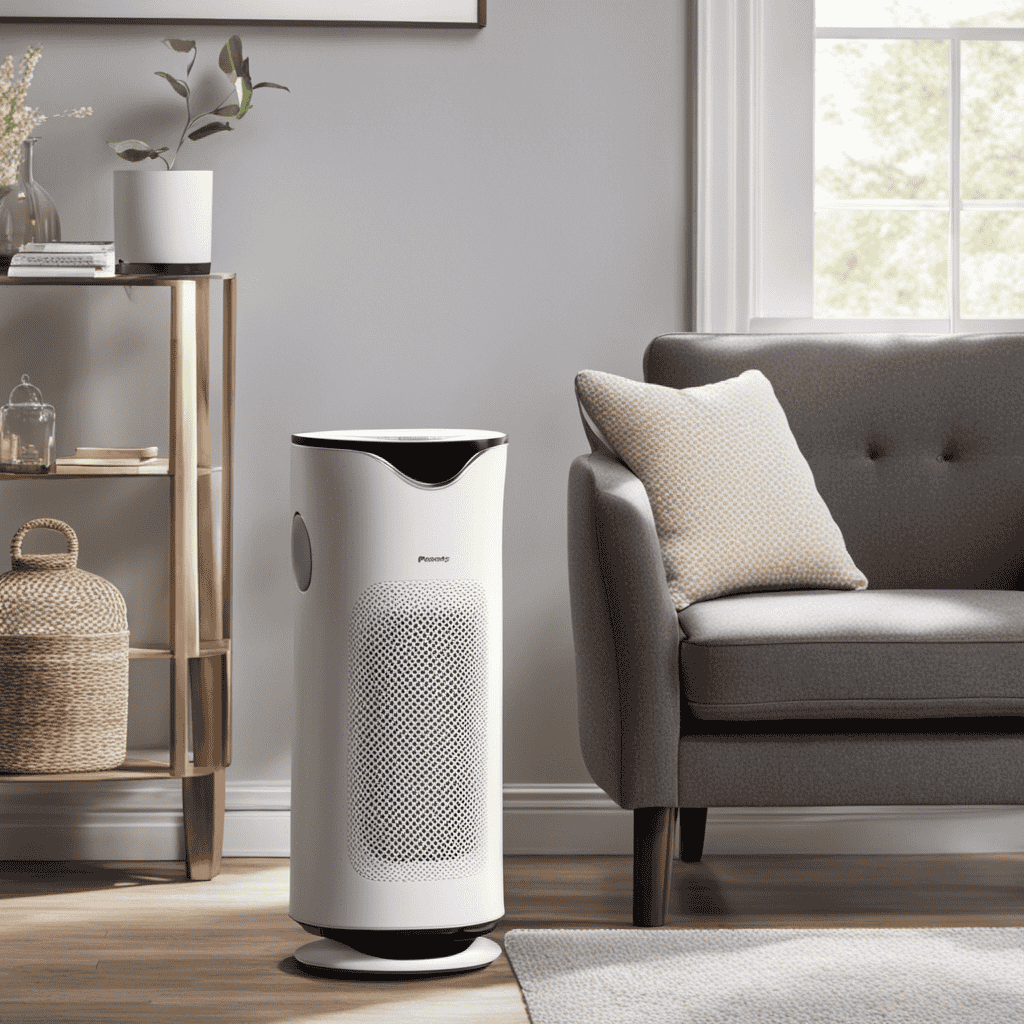
In addition to improving ventilation, investing in an air purifier offers significant benefits during this crucial period. Air purifier benefits include filtering out airborne particles such as dust, pet dander, mold spores, and bacteria, which can trigger allergies or respiratory issues. Using a high-quality air purifier can effectively trap these contaminants, providing immediate relief and promoting better breathing. During those first 24 hours, an air purifier acts as a frontline defense, ensuring that even if some pollutants are present, they don’t settle into the air you’ll be breathing consistently. Additionally, selecting an air purifier with effective filtration can maximize its ability to improve indoor air quality quickly and efficiently.
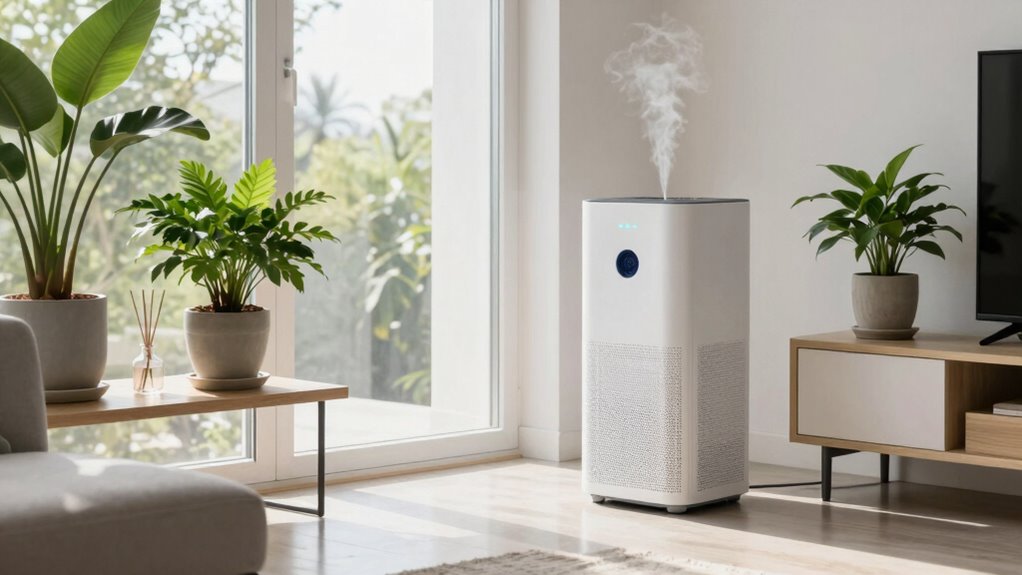
It’s essential to be proactive about controlling indoor air quality from the moment you step into your space. Keep windows open when possible to encourage cross-ventilation, and run exhaust fans in kitchens and bathrooms to remove moisture, odors, and airborne pollutants. If natural ventilation isn’t enough, consider installing mechanical ventilation systems like heat recovery ventilators (HRVs) or energy recovery ventilators (ERVs). These systems bring in fresh air exchange while exhausting stale air, ensuring that indoor air remains refreshed without significant heat loss or energy waste. Incorporating proper ventilation techniques early on can significantly reduce indoor pollutants and improve overall health. Such ventilation improvements can drastically reduce indoor pollutants, improving comfort and health.
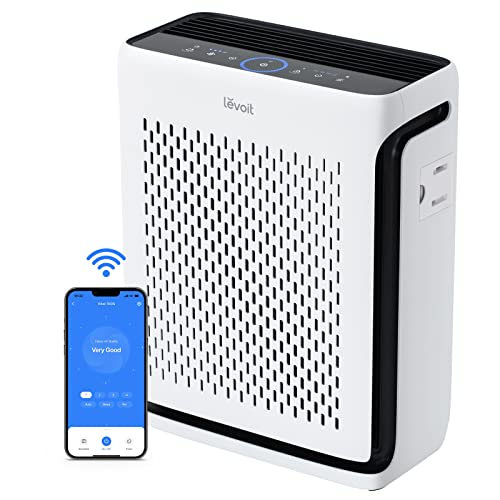
LEVOIT Air Purifier for Home Pets Bedroom Dorm Room Washable Pre-Filter
- Certified by AHAM: Ensures reliable air quality and efficiency
- Effective for Large Rooms: Purifies 1,073 sq ft once per hour
- Pet-Friendly Mode: Traps pet fur and large particles
As an affiliate, we earn on qualifying purchases.
As an affiliate, we earn on qualifying purchases.
Frequently Asked Questions
How Often Should I Test Indoor Air Quality After Initial Improvements?
You should test indoor air quality regularly, especially in the first few months after initial improvements. Using air quality sensors helps you monitor changes accurately. Aim for testing every one to three months initially, then adapt based on sensor data and any noticeable changes. Consistent testing guarantees your ventilation and filtration systems work effectively, maintaining a healthy environment. Over time, you can extend testing intervals if air quality remains stable.
Are There Specific Plants That Improve Indoor Air Quality Effectively?
Ironically, some plants claim to be air purifying heroes, but you’ll want to choose wisely. Snake plants, pothos, and peace lilies are top contenders because they actively improve indoor air quality. Just remember, plant maintenance is key—regular watering and cleaning leaves boost their effectiveness. While no plant is a miracle, these favorites can help, making your space fresher without requiring a green thumb.
Can Pets Affect the Indoor Air Quality Improvement Process?
Pets can affect your indoor air quality improvement process because pet dander often triggers allergies and worsens air quality. Regular cleaning helps reduce dander, but air filtration systems are more effective at removing airborne particles. Using HEPA filters can trap pet dander and other pollutants, making your indoor environment healthier. Keep your pets clean and maintain your air filtration system consistently for the best results.
What Are the Warning Signs of Ongoing Indoor Air Pollution?
If you notice persistent coughing, sneezing, or unexplained headaches, these could be signs of ongoing indoor air pollution. Airborne allergens like dust or mold might trigger symptoms, especially if ventilation strategies aren’t effectively removing pollutants. Poor air quality can also cause fatigue or a stuffy nose. Keep an eye on these warning signs, and improve ventilation to reduce airborne allergens, ensuring healthier indoor air for everyone.
How Long Does It Usually Take to See Noticeable Air Quality Improvements?
Coincidentally, you’ll often notice cleaner air within a few hours of using an air purifier and implementing ventilation strategies. Typically, improvements become noticeable within 24 to 48 hours, but it varies based on pollutant levels and room size. Keep your air purifier running continuously and make certain of proper ventilation. Over a couple of days, you should feel the difference, with fresher air and reduced odors confirming your efforts are working.
Conclusion
In just 24 hours, you’ve planted the seed for healthier air—a quiet promise to your home and loved ones. Think of this day as the dawn of a new chapter, where each breath you take is a gift, a gentle reminder that you hold the power to nurture a sanctuary. With every small step, you’re weaving a tapestry of well-being, turning your space into a sanctuary of freshness and hope, one breath at a time.