
Clean air confidence at home means actively managing your environment by reducing pollutant sources, maintaining good ventilation, and using air purifiers with HEPA filters. You should choose low-VOC products, keep indoor spaces clean, and store chemicals properly. Monitoring air quality with real-time detectors helps you respond quickly to elevated levels. If you stay committed, you’ll see how ongoing efforts create a healthier, safer space—more tips to help you breathe easy are ahead.

Get garden gear delivered free with Prime
- Fast, free delivery on millions of items
- Prime Video, Amazon Music and more included
- Member-only deals all year
Key Takeaways
- Regularly monitor indoor air quality with reliable sensors to identify and address pollutant spikes promptly.
- Maintain proper ventilation through exhaust fans and open windows to ensure continuous fresh air exchange.
- Minimize pollutant sources by choosing low-VOC products and storing chemicals safely away from living areas.
- Use air purifiers with HEPA filters to effectively reduce airborne particles and allergens indoors.
- Implement consistent cleaning routines to reduce dust, pet dander, and chemical buildup for healthier indoor air.

Have you ever wondered how clean the air is inside your home? It’s a question many of us overlook, assuming that if the space looks tidy, the air must be safe. But air quality isn’t just about visible dust or clutter; it’s about what’s lingering invisible—pollutants that can affect your health over time. Real ‘Clean Air Confidence’ means understanding and managing pollutant sources—those sneaky origins of indoor air pollution—and ensuring your environment supports good respiratory health.
To truly feel confident about your indoor air, you need to identify where pollutants are coming from. Common pollutant sources include cooking fumes, tobacco smoke, pet dander, cleaning chemicals, and even certain building materials. For example, cooking releases particulate matter and volatile organic compounds (VOCs), which can degrade air quality if not properly ventilated. Tobacco smoke introduces a host of hazardous chemicals, lingering long after the last puff. Pets shed dander and hair, which can trigger allergies or asthma. Cleaning agents, especially those with strong fragrances or harsh chemicals, can emit VOCs that linger in the air. Even new furniture or paint can release volatile compounds for days or weeks after initial use. Knowing these sources puts you in a position to take control.
Identify common sources like cooking fumes, tobacco, pets, chemicals, and new materials to better control your indoor air quality.
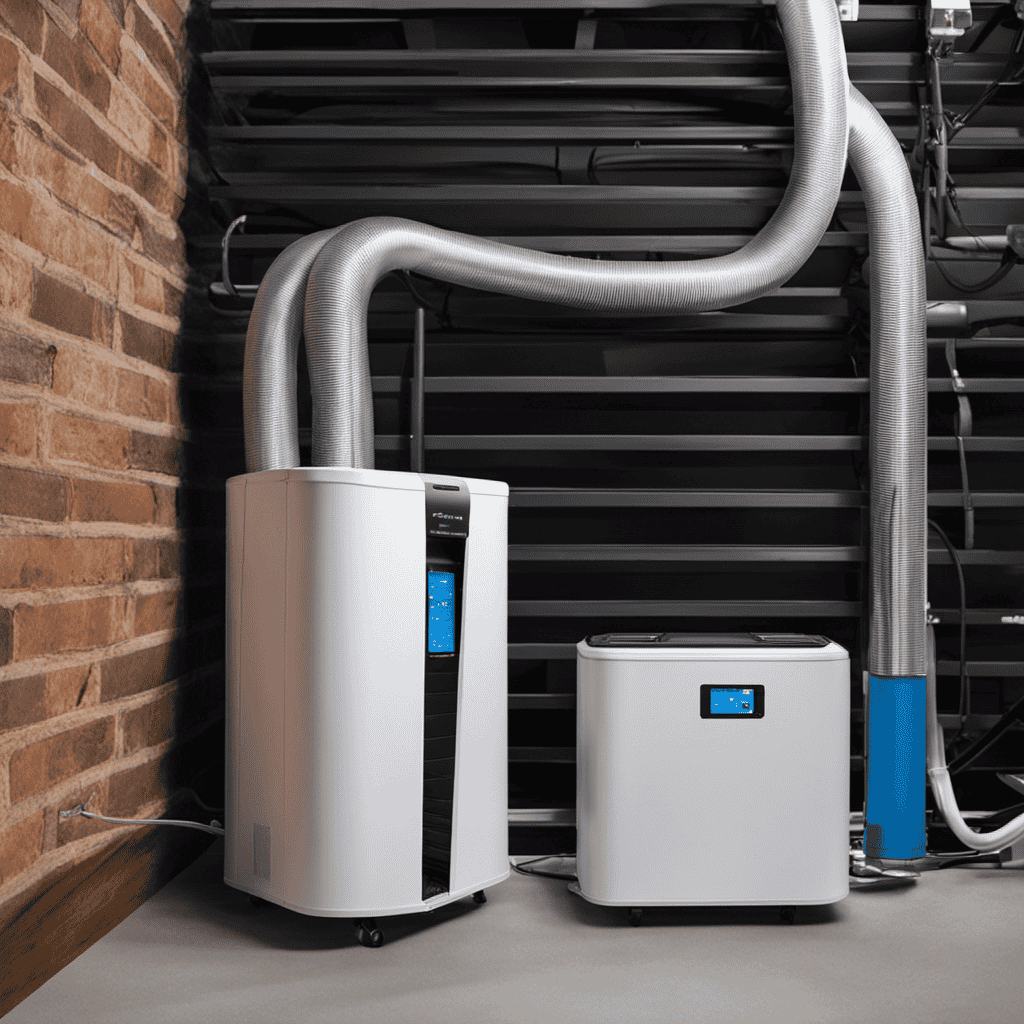
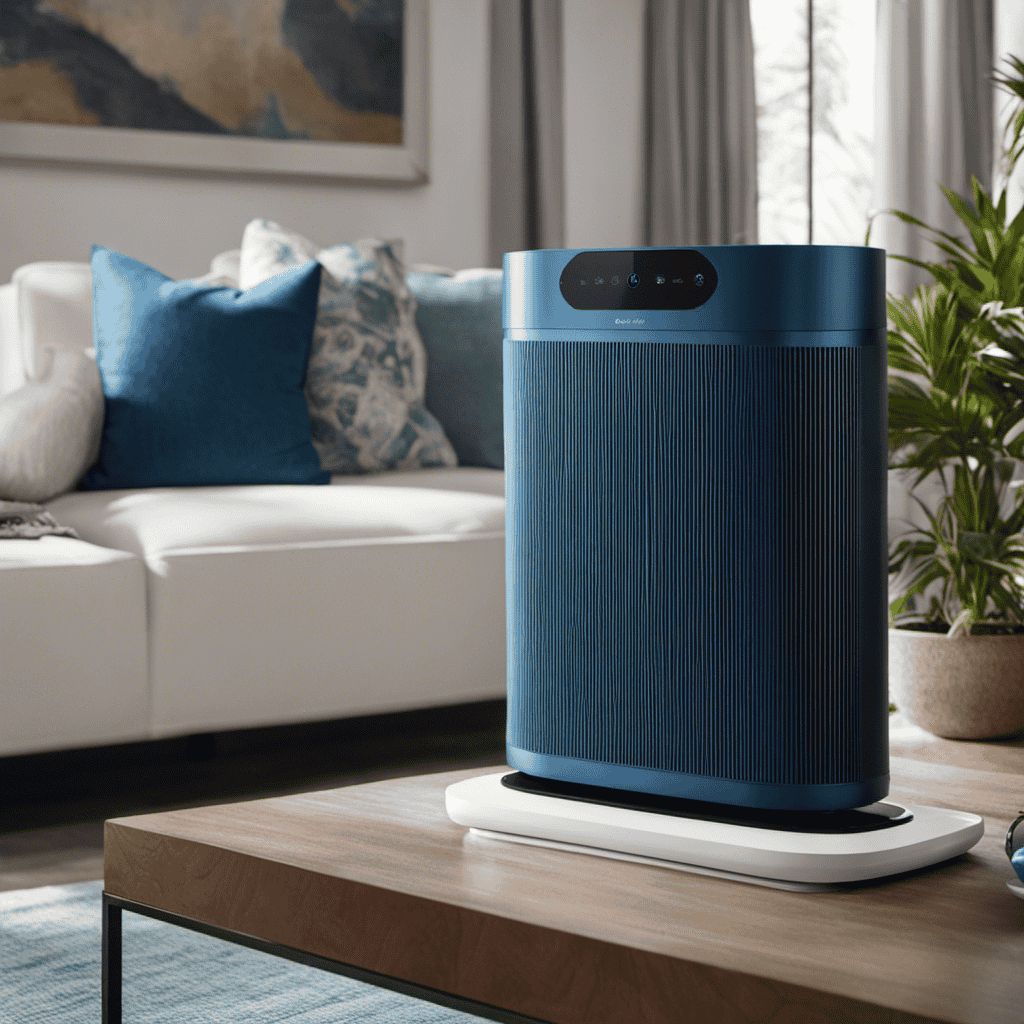
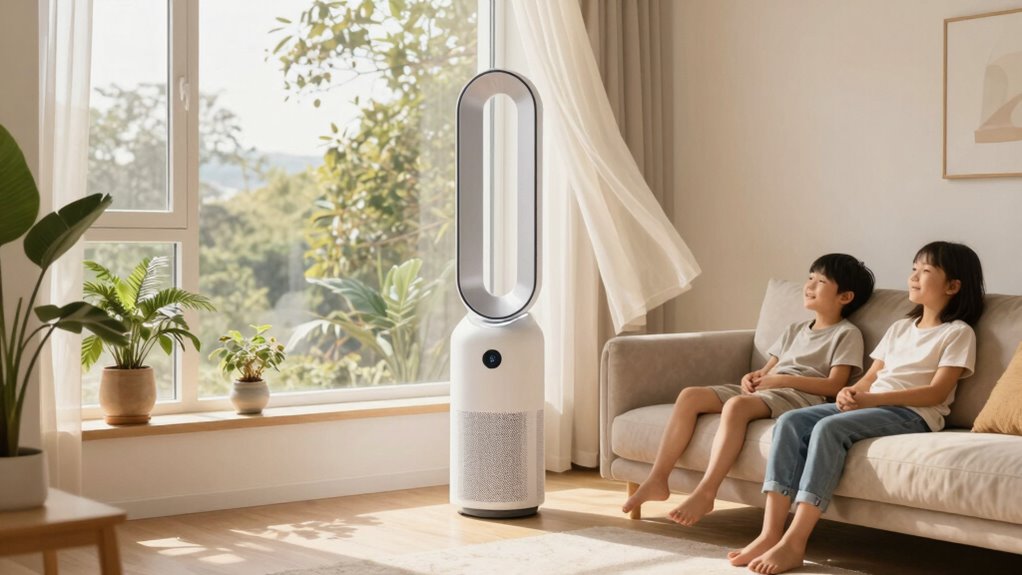
Creating ‘Clean Air Confidence’ at home isn’t just about recognizing pollutant sources; it’s about actively reducing them. Ventilation plays a key role—using exhaust fans in the kitchen and bathroom, opening windows when possible, or running an air purifier with a HEPA filter can significantly cut down airborne pollutants. Regular cleaning minimizes dust and pet dander buildup, while choosing natural or low-VOC cleaning products limits chemical emissions. When possible, opt for low-emission paints and furniture, and store chemicals in well-ventilated areas away from living spaces. Additionally, understanding and controlling indoor air quality through proper ventilation and filtration can make a substantial difference in your home environment. Staying informed about indoor air pollutants and their sources empowers you to make better decisions for a healthier home. Incorporating air quality monitors can help you better understand the impact of your efforts and make adjustments as needed.
Monitoring your air quality is essential to maintaining confidence in your indoor environment. Many devices now provide real-time data, alerting you when pollutant levels rise. If you notice consistently high readings, it’s a sign to step up your efforts—improve ventilation, replace filters, or remove the source altogether. True ‘Clean Air Confidence’ means not just taking precautions but actively staying informed about your air. Understanding the impact of indoor pollutants can motivate ongoing efforts to improve air quality and protect your health.
In the end, feeling confident about your home’s air quality means understanding pollutant sources and taking concrete steps to minimize them. It’s about creating a space where you breathe easier, knowing that you’ve done what’s needed to keep the air clean and safe. Confidence in your indoor air isn’t a one-time achievement; it’s a continual effort that lets you enjoy your home with peace of mind.
As an affiliate, we earn on qualifying purchases.
Frequently Asked Questions
How Do I Test My Home’s Indoor Air Quality Effectively?
To test your home’s indoor air quality effectively, start with an air quality monitor that tracks pollutants and VOCs. Consider air purifier selection based on your room size and specific needs. Keep humidity control in mind, aiming for 30-50% to prevent mold and dust mites. Regularly check and replace filters, and monitor your air quality readings to guarantee a healthy environment.
What Pollutants Should I Specifically Look for Indoors?
You should specifically look for indoor chemical pollutants like volatile organic compounds (VOCs) from paints, cleaning products, and furniture. Also, check for biological contaminants such as mold, bacteria, and dust mites. These pollutants can cause health issues, especially in sensitive individuals. Use air quality monitors to detect these pollutants effectively, and guarantee proper ventilation and cleaning routines to reduce their presence, creating a safer, healthier indoor environment.
How Often Should I Replace or Clean Air Filters?
Imagine you’re breathing cleaner air, but your air filter’s been in use for months. You should replace or clean your air filter every 3 to 6 months, depending on its lifespan and your home’s air quality. Regular maintenance improves filtration and supports ventilation techniques, ensuring pollutants don’t linger. Keep an eye on filter signs like reduced airflow or dirt buildup, and adjust your schedule for best indoor air health.
Can Plants Improve Indoor Air Quality Significantly?
Yes, plants can improve indoor air quality considerably if you choose air purifying varieties and proper plant selection. They absorb pollutants, increase humidity, and boost overall air freshness. To maximize benefits, select plants like snake plants, pothos, or peace lilies known for their air purifying qualities. Place them in well-lit areas and water regularly, ensuring they thrive and continuously contribute to cleaner indoor air.
Are There Affordable Ways to Improve Air Quality at Home?
Think of your home’s air as a garden—you can nurture it without breaking the bank. You can find budget-friendly solutions like sealing leaks and increasing ventilation that truly make a difference. Don’t fall for air purifier myths that promise instant perfection; instead, choose affordable options that work with your space. Small, consistent steps create a refreshing change, turning your home into a haven of clean, healthy air.
Conclusion
Achieving clean air at home isn’t a distant dream; it’s a garden you tend with care. When you prioritize ventilation, filter your air, and choose natural options, you’re planting the seeds for a healthier space. Think of your home as a gasp of crisp mountain air—invigorating and pure—ready to embrace you every day. With these simple steps, you’ll turn your living space into a sanctuary where clean air confidence blooms effortlessly.
Fall yard work Picks
leaf blowers
As an affiliate, we earn on qualifying purchases.