
TL;DR

Get garden gear delivered free with Prime
- Fast, free delivery on millions of items
- Prime Video, Amazon Music and more included
- Member-only deals all year
A Homes and Gardens report says gardeners should leave coneflowers standing in October rather than deadheading them, because mature seedheads feed birds and small mammals and the stems can provide shelter for wildlife. Experts cited in the report generally recommend major cleanup in spring, while noting that disease or storm damage can warrant earlier action.
A Homes and Gardens report advises gardeners not to deadhead coneflowers in October, saying their standing seedheads and stems can provide food and shelter for wildlife through fall and winter. The recommendation offers an alternative to a full autumn garden cleanup, with experts cited in the report generally favoring major cutting back in spring.
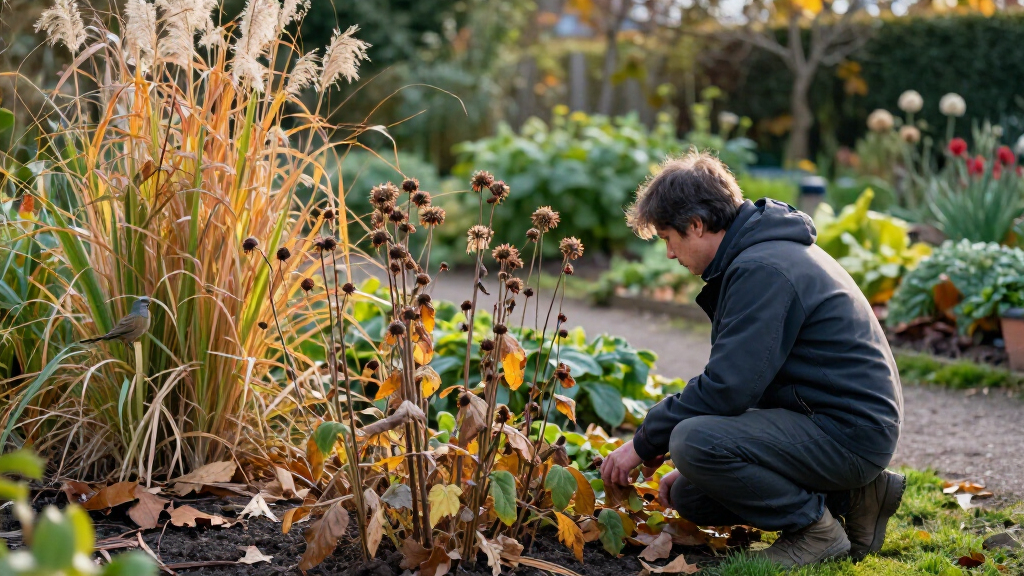
As coneflower petals fade, the central cones mature into seedheads. Birds including goldfinches, chickadees, cardinals and finches can feed on the seeds, according to the report. Ben Rotteweel, co-owner of Dutch Grown, said the seeds are a high-fat food source and described goldfinches picking them from the stems. The report does not provide measurements of how much wildlife depends on coneflowers or quantify their nutritional value.
The seedheads are not the only feature that can be useful. Rotteweel said standing cones and stems can add habitat structure, while plant debris may shelter insects such as lacewings and lady beetles. Horticulturalist Nikki Bruner of Perfect Plants said mice, squirrels and chipmunks also gather the seeds. Those are expert statements presented in the article, rather than results from a wildlife survey included with it.
Leaving plants in place also preserves their height, texture and silhouettes in otherwise dormant winter borders. The report quotes Mary Phillips, head of Native Plant Habitat and Certifications at the National Wildlife Federation, recommending that gardeners wait until daytime temperatures remain above 50°F for seven consecutive days before doing a major spring cleanup. For storm-damaged plants in visible areas, she said stems can be cut to 12–18 inches, with the material left as mulch or moved elsewhere.
Seedheads Feed Winter Wildlife
For gardeners deciding whether to clear borders in autumn, the advice highlights a trade-off: cutting plants back can make a yard look tidier, but leaving some stems and seedheads may preserve food and cover during a season when gardens offer fewer resources. Coneflowers also retain visible structure after their blooms fade, giving gardeners a practical reason to delay cleanup beyond wildlife benefits.
The recommendation is specific to coneflowers and does not mean every plant should be left untouched. The report acknowledges exceptions, including signs of disease and storm damage. Its central point is that routine October deadheading is not always necessary; gardeners can assess plants individually and leave healthy coneflowers standing where conditions allow.
As an affiliate, we earn on qualifying purchases.
From Summer Blooms to Winter Stems
Coneflowers, also known as Echinacea, are flowering perennials with a distinctive raised central cone. Their summer flowers attract pollinators, and the report says the cones harden as petals fade, developing seeds that remain available later in the year. The article identifies Echinacea purpurea as a variety known for producing plentiful seed.
The article’s advice challenges a common seasonal impulse to cut back borders as soon as flowering ends. Instead, it recommends keeping healthy coneflowers standing into winter and postponing larger cleanup until spring. Phillips’ temperature guidance is one suggested cue for that work; the report does not present it as a rule for every region or climate.
““The dried cones become a natural feeding station for birds through winter.””
— Ben Rotteweel, co-owner of Dutch Grown
When Cleanup Should Happen
The report does not establish that leaving coneflowers standing will produce the same wildlife benefits in every garden. The number of visiting animals will depend on local species and conditions, and no quantitative study or regional comparison is included. It also gives no single calendar date for spring cleanup; Phillips’ temperature guideline is the available timing advice.
The source mentions disease as an exception to leaving plants in place and begins to identify aster yellows as a serious concern, but the provided material ends before explaining how gardeners should respond. It does not supply a complete disease-management recommendation. Gardeners should not treat the article as guidance to leave visibly diseased plants untouched.
Assess Plants Before Spring Cutting
Gardeners can leave healthy coneflower seedheads and stems standing through fall and winter, then reassess plants in spring before doing a major cleanup. According to Phillips, one possible cue is a stretch of seven consecutive days above 50°F in daytime temperatures. Storm-damaged plants may be shortened, with cut material kept as mulch or relocated, she said.
Before leaving or cutting back a plant, check for signs of disease and consider whether damaged stems pose a practical problem. The report does not give a full disease checklist or region-specific schedule, so the timing may vary by local conditions. Its immediate recommendation is limited: do not automatically deadhead healthy coneflowers in October.
Key Questions
Should I deadhead coneflowers in October?
The report recommends leaving healthy coneflowers standing in October. Their mature seedheads can provide food for wildlife, and stems can retain habitat structure and winter interest.
Which animals may eat coneflower seeds?
The report names goldfinches and other birds, as well as mice, squirrels and chipmunks. Which animals visit will vary by location.
When should coneflowers be cut back?
Mary Phillips of the National Wildlife Federation says spring is generally the best time for major cleanup. She suggests waiting until daytime temperatures have stayed above 50°F for seven consecutive days so overwintering wildlife has time to emerge.
Can damaged coneflowers be trimmed before spring?
Phillips says storm-damaged plants in visible areas can be cut to 12–18 inches. She suggests leaving the trimmed material as mulch or moving it to a less visible area.
Are there reasons to remove coneflowers sooner?
Yes. The report identifies disease and storm damage as exceptions to leaving plants standing. It flags aster yellows as a serious concern but does not provide complete instructions for managing it.
Source: rss
Halloween Picks
halloween
As an affiliate, we earn on qualifying purchases.