TL;DR

Get garden gear delivered free with Prime
- Fast, free delivery on millions of items
- Prime Video, Amazon Music and more included
- Member-only deals all year
Amateur Gardening recommends rhododendrons, hydrangeas and camellias for shaded, north-facing gardens. The plants offer different flowering periods and can be grown in the ground or containers, but soil needs and local growing conditions matter.
Amateur Gardening has recommended rhododendrons, hydrangeas and camellias as options for bringing flowers and foliage to shady, north-facing gardens. The report says the plants can suit ground planting or containers, giving gardeners choices for areas that receive only limited direct sunlight.
The recommendations come from Calogero Scanella, managing director of Surrey-based CS Gardens, who told Amateur Gardening that shade limits the range of plants that will thrive but does not rule out flowering plants. Scanella said some plants prefer sheltered conditions, and the report presents the three choices as a way to spread garden interest across different parts of the year.
Rhododendrons are suited to shaded areas but need acidic soil, according to the report. A spot beneath a conifer or pine may already have acidic conditions; otherwise, Scanella suggests using acidic soil in a pot. The report says hydrangeas can manage with a few hours of sun, and that their flowers may last longer in shade, while too much sun can fade their colour.
Camellias bring evergreen foliage through the colder months and typically flower in late winter or early spring, the report says. For planting beneath or near trees, it recommends adding compost to improve the growing conditions, watering regularly even in shade, and using mulch such as shredded bark or organic matter to help retain soil moisture.
Colour Across Shadier Seasons
The suggestions address a practical problem for gardeners whose outdoor space receives little direct sunlight: many familiar flowering plants may not suit those conditions. These three options offer different forms of interest, from rhododendron blooms and hydrangea flower heads to camellia foliage and late-winter flowers.
The seasonal spread could help gardeners plan for colour beyond the brighter months, though the report does not promise uninterrupted blooms or the same results in every garden. Soil, exposure and plant variety will affect how well each choice performs. The advice also gives readers options for containers, borders and sheltered corners, rather than requiring a large garden bed.
Products Worth Considering

Samsung 75-Inch M80H Series Mini LED 4K Smart TV (2026)
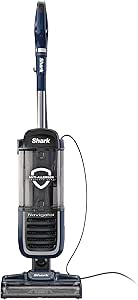
Shark Navigator Swivel Pro Upright Vacuum NV151

Philips Hue Festavia Globe Outdoor String Lights, 8 Bulbs, 22 ft
As an affiliate, we earn on qualifying purchases.
Matching Plants to Shade
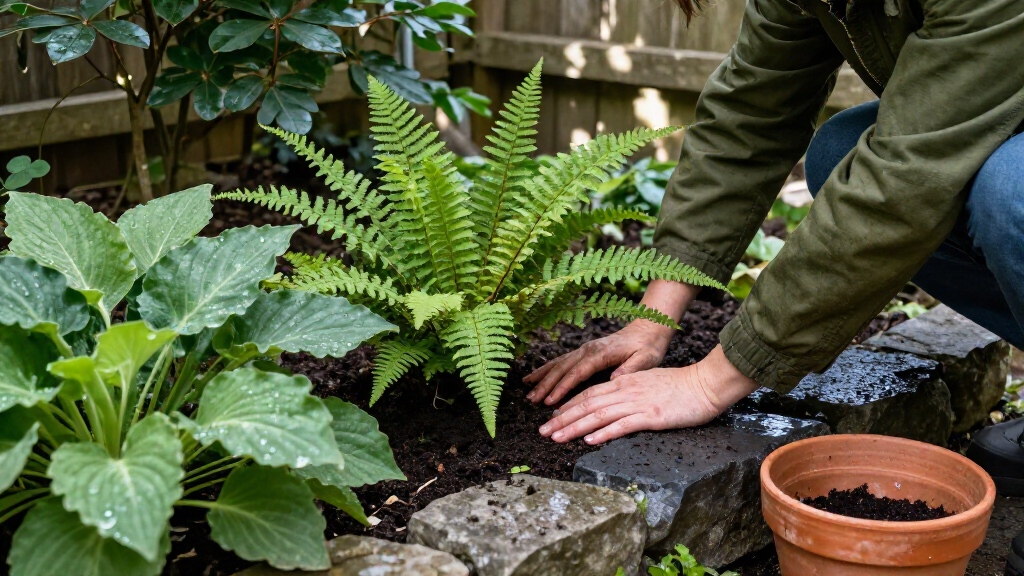
The report describes north-facing and otherwise shaded gardens as challenging, not unusable. Shade can come from buildings, fences, trees or sheltered garden layouts; each site will have its own conditions. The article suggests using shade-tolerant plants beside fences and tree lines, in window boxes with little sun, in patio containers, or to add height to borders.
Its guidance is based on comments from Scanella and focuses on three named plants. It does not provide a detailed comparison of individual cultivars or a planting calendar. In particular, rhododendrons’ need for acidic soil makes checking the growing conditions relevant before planting. Container growing is offered as an alternative where garden soil is unsuitable.
“There are plenty of varieties that are perfectly happy with just a few hours a day.”
— Calogero Scanella, as quoted by Amateur Gardening
Local Conditions Still Matter
The report does not identify specific varieties of rhododendron, hydrangea or camellia, or give region-specific planting dates. It also does not establish how much sunlight any particular garden receives or what its soil is like. Results will depend on the plant variety and site conditions, including soil acidity and moisture.
The article describes the plants as complementary and says they can provide flowers across the year, but it does not give a precise bloom schedule for each variety or guarantee continuous flowering. Gardeners should check the requirements for the particular plants they buy and assess their own growing conditions.
Check the Site Before Planting
For gardeners following the recommendations, the immediate step is to assess the planting spot: note its light, check whether the soil is acidic, and decide whether a container offers more control. The report advises adding compost near tree roots, watering plants during dry weather despite the shade, and applying mulch to help retain moisture.
Plant choice and care will determine how the garden develops over coming seasons. The supplied report does not announce a follow-up or provide further expert guidance, so readers seeking variety-specific advice will need to consult plant labels or a local gardening source.
Key Questions
Which three plants does the report recommend?
Amateur Gardening recommends rhododendrons, hydrangeas and camellias for shaded or north-facing gardens.
Do hydrangeas need full sun?
Not necessarily. Calogero Scanella told Amateur Gardening that some hydrangea varieties can grow with only a few hours of sun. The report says excessive sun may fade flower colour and that blooms can last longer in shade.
What soil do rhododendrons need?
Rhododendrons need acidic soil, according to the report. If the garden soil is unsuitable, Scanella suggests growing them in a pot with acidic soil.
Do shaded plants still need watering?
Yes. The report advises watering shade-tolerant plants regularly, especially during warm, dry weather, and using mulch to help retain moisture.
Source: amateurgardening.com