To select the appropriate media for your carbon canister, focus on its adsorption efficiency, which affects how well it traps VOCs, and the media’s lifespan to guarantee long-term performance. High-quality activated carbon with a porous structure offers better VOC capture and durability. Balance these factors based on your vehicle’s usage and maintenance needs. If you want to learn more about optimizing emissions control, keep exploring the key considerations involved.

Get garden gear delivered free — and shop member deals
- Fast, free delivery on millions of items
- Access to Prime Big Deal Days deals on October 6–7
- Prime Video, Amazon Music and more included
Key Takeaways
- Select activated carbon with high adsorption efficiency for effective VOC capture.
- Consider media lifespan to ensure consistent emissions control over time.
- Choose high-quality pore structures to enhance long-term performance and durability.
- Balance initial efficiency and media longevity for optimal emissions compliance.
- Match media type to operating conditions and fuel vapors for maximum effectiveness.
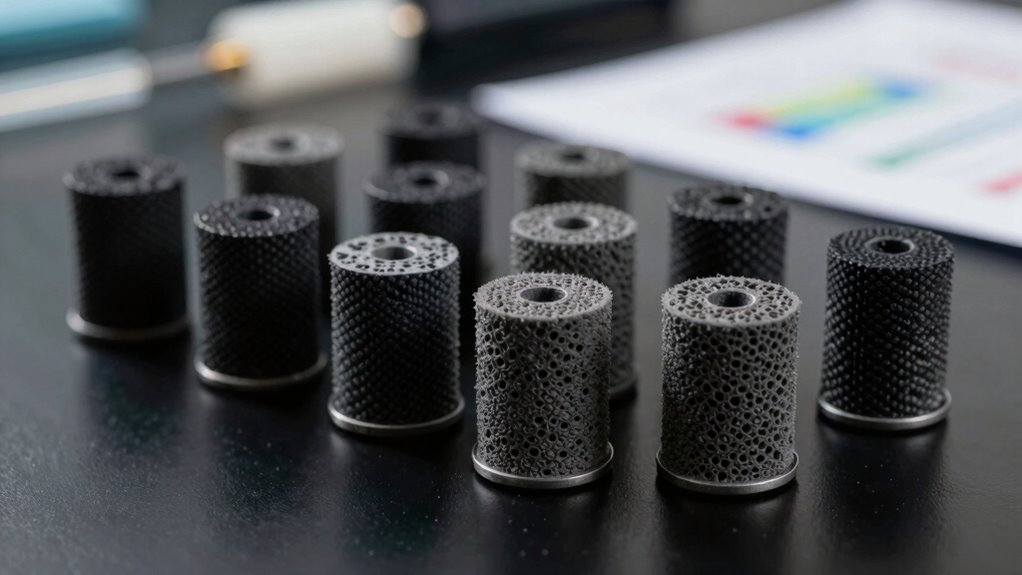
Carbon canisters are vital components in your vehicle’s emissions control system, designed to trap and store fuel vapors from the gas tank. When your engine isn’t running, these canisters prevent harmful hydrocarbons from escaping into the atmosphere by capturing vapors and holding them until they can be burned during engine operation. Choosing the right media for your carbon canister is essential because it directly impacts how effectively it performs. One of the key factors to consider is adsorption efficiency, which measures how well the media can attract and hold vapor molecules. Higher adsorption efficiency means the canister can trap more VOCs (volatile organic compounds), reducing emissions and complying with environmental standards. However, a media’s ability to maintain this efficiency over time, known as media lifespan, is equally important. A media with a longer lifespan will continue to perform effectively for years, minimizing the need for replacements and ongoing maintenance costs.
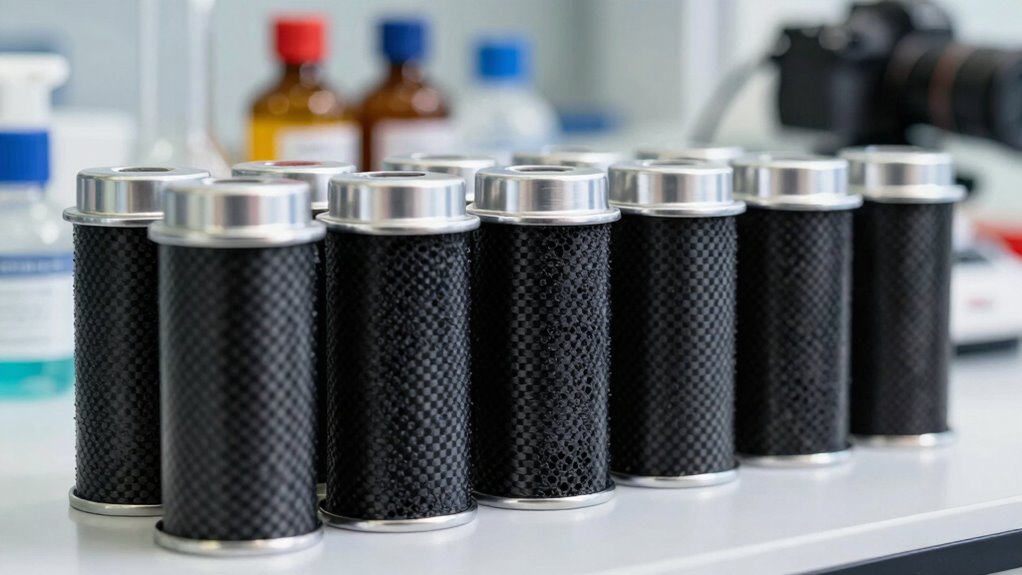
When selecting the media for your carbon canister, you should look for materials specifically designed for high adsorption efficiency. Activated carbon is the most common choice because of its porous structure, which provides a large surface area for trapping vapors. The quality of activated carbon varies, so opting for a media with a high-quality pore structure can ensure better adsorption efficiency. This means your canister will effectively trap VOCs right from the start and throughout its service life. Keep in mind that the media lifespan depends on several factors, including the type of fuel vapors encountered, operating conditions, and maintenance practices. A media with a longer lifespan won’t just save you money over time; it will also ensure your vehicle remains compliant with emissions standards longer, avoiding costly repairs or inspections. Additionally, understanding the thermal behavior of the media can help optimize its performance under different operating temperatures.
Understanding the balance between adsorption efficiency and media lifespan will help you make an informed choice. While a media with outstanding adsorption efficiency might seem ideal, if it wears out quickly, you’ll end up replacing the canister more frequently. Conversely, a media with a longer lifespan might have slightly lower initial adsorption efficiency but will continue to perform adequately over time. Hence, it’s essential to consider both factors together rather than focusing solely on one. When choosing the right media, prioritize quality materials specifically engineered for VOC capture, and consider how long you want your canister to remain effective without maintenance. Proper selection ensures your vehicle’s emissions system works efficiently, helping you stay compliant with regulations and contributing to a cleaner environment.
activated carbon for vehicle emissions control
As an affiliate, we earn on qualifying purchases.
As an affiliate, we earn on qualifying purchases.
Frequently Asked Questions
How Often Should Carbon Canisters Be Replaced?
You should replace your carbon canisters based on their media lifespan and replacement intervals, which typically range from 12 to 36 months. Regularly check for signs of saturation, like increased emissions or odors, to determine if a replacement is needed sooner. Keep in mind that environmental conditions and usage can affect media effectiveness, so stay attentive to performance changes and follow manufacturer recommendations for ideal VOC control.
Can Different Media Be Combined in One Canister?
You can combine different media in one canister, but you need to consider media compatibility and canister mixing. Mixing incompatible media may reduce efficiency or cause clogging, so it’s crucial to select media that work well together. Always verify manufacturer guidelines and consult experts to ensure proper setup. Properly mixed media can enhance VOC adsorption, but improper canister mixing can compromise performance and lifespan, so proceed carefully.
Are There Environmentally Friendly Options for VOC Media?
You’re wondering if eco-friendly options exist for VOC media, and yes, they do. Imagine reducing your environmental impact while still effectively capturing harmful emissions. Biodegradable media and plant-based adsorbents are promising choices that break down naturally, minimizing waste and pollution. By choosing these sustainable media, you not only protect the environment but also set a responsible example, making a real difference for future generations.
How Does Humidity Affect the Media’s Effectiveness?
Humidity impact can considerably reduce media efficiency because excess moisture competes with VOCs for absorption sites. When humidity levels are high, your carbon canister might not adsorb VOCs as effectively, leading to decreased performance. To maintain ideal efficiency, you should monitor humidity levels and consider using desiccants or specialized media designed to withstand high humidity conditions. Proper maintenance ensures your media continues to effectively control VOC emissions.
What Are the Signs of Media Saturation or Failure?
You’ll notice media saturation or failure through decreased VOC adsorption, resulting in higher emissions or odors. Look for saturation indicators like odor breakthrough, increased pressure drop, or reduced airflow. Media lifespan varies but is often indicated by these signs. If you observe these indicators, it’s time to replace or regenerate the media. Regular monitoring helps guarantee your carbon canister remains effective and prevents VOC leaks or system inefficiencies.
Conclusion
Choosing the right media for your carbon canister is vital to effectively remove VOCs and protect your environment. With so many options available, can you really afford to settle for less than the best? By understanding your specific needs and selecting the appropriate media, you’ll guarantee maximum performance and peace of mind. Don’t compromise on quality—your health and the planet depend on it. Are you ready to make the right choice for a cleaner, safer future?
Fall Picks
fall essentials
As an affiliate, we earn on qualifying purchases.