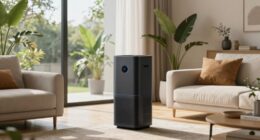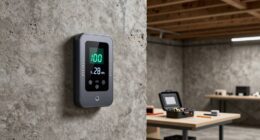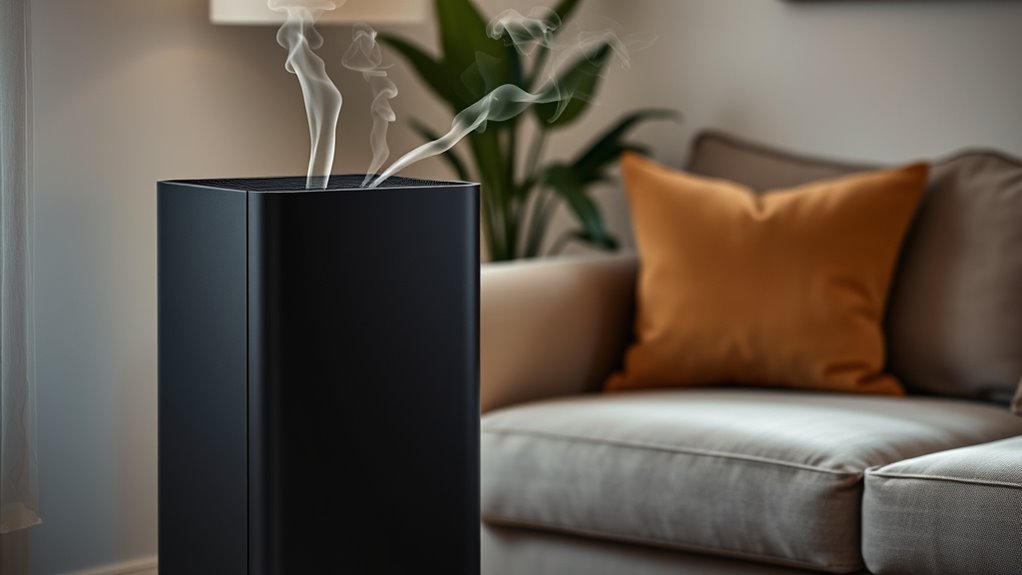
If you want to reduce tobacco and secondhand smoke indoors, using an air purifier with HEPA and activated carbon filters can make a big difference. HEPA filters trap tiny smoke particles, while activated carbon neutralizes odors and gases. Position the purifier near the smoke source or in the room’s center for best results. Regular maintenance is key. To learn more about choosing the right model and maximizing its effectiveness, keep exploring the options available.
Key Takeaways
- Use air purifiers with HEPA filters to effectively trap secondhand smoke particles and improve indoor air quality.
- Incorporate activated carbon filters to adsorb odors and neutralize harmful gases from tobacco smoke.
- Select models with sufficient coverage area and good air circulation for spaces affected by smoke.
- Regularly replace filters and maintain the purifier to ensure optimal removal of smoke pollutants.
- Combine air purifier use with ventilation and minimizing indoor smoking for best smoke reduction results.
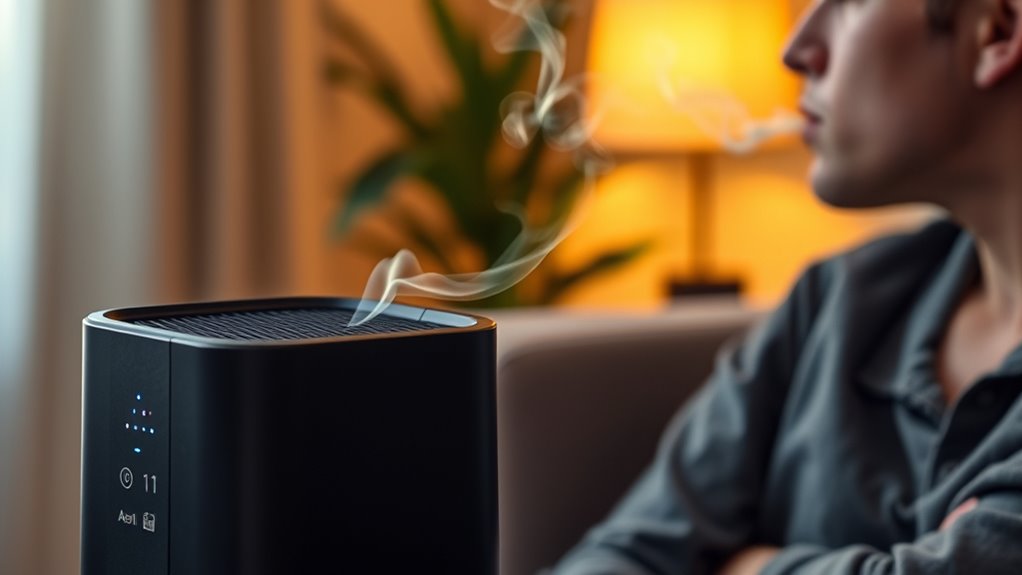
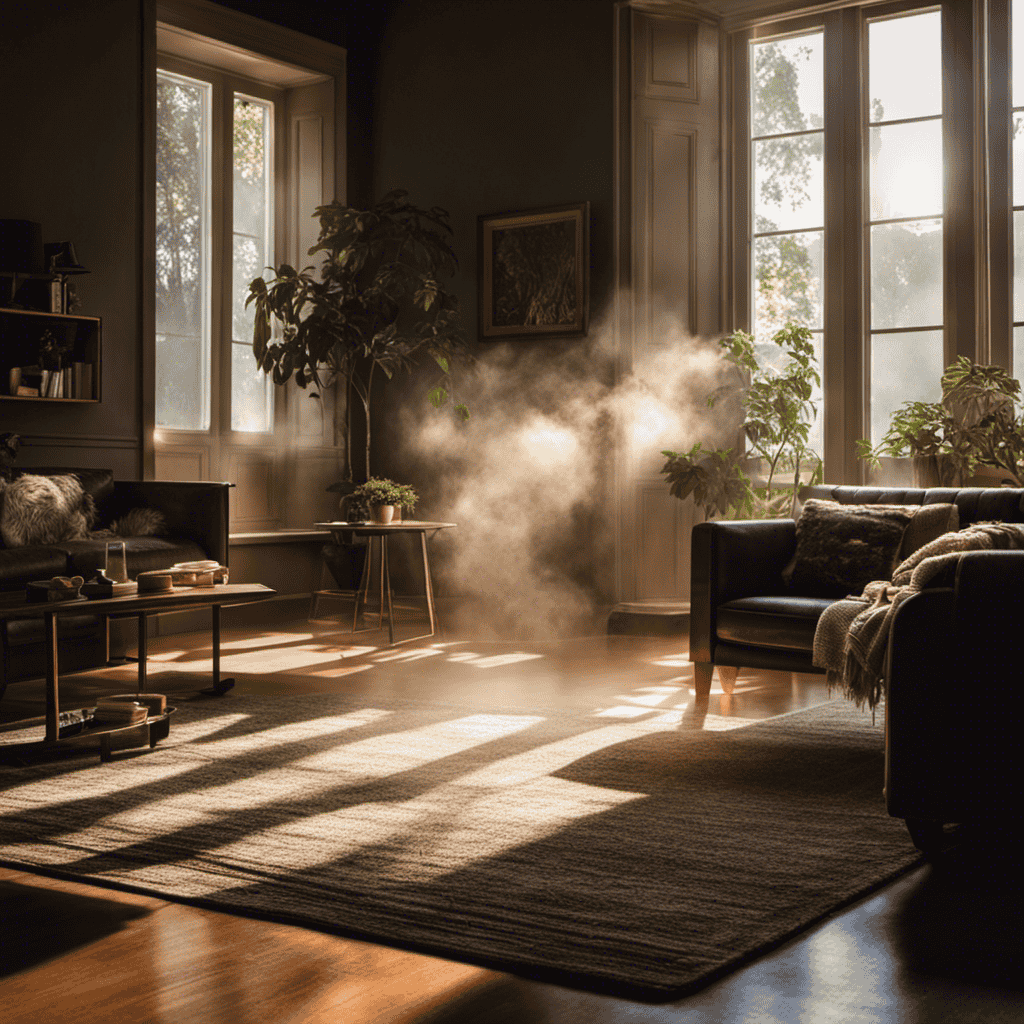
If you’re trying to eliminate tobacco smoke from your indoor space, air purifiers can be a highly effective solution. Tobacco smoke introduces a range of harmful particles and chemicals into the air, negatively impacting indoor air quality and creating lingering odors. An air purifier designed for smoke removal can markedly improve the environment by trapping airborne pollutants and reducing the smell of smoke, making your space healthier and more comfortable.
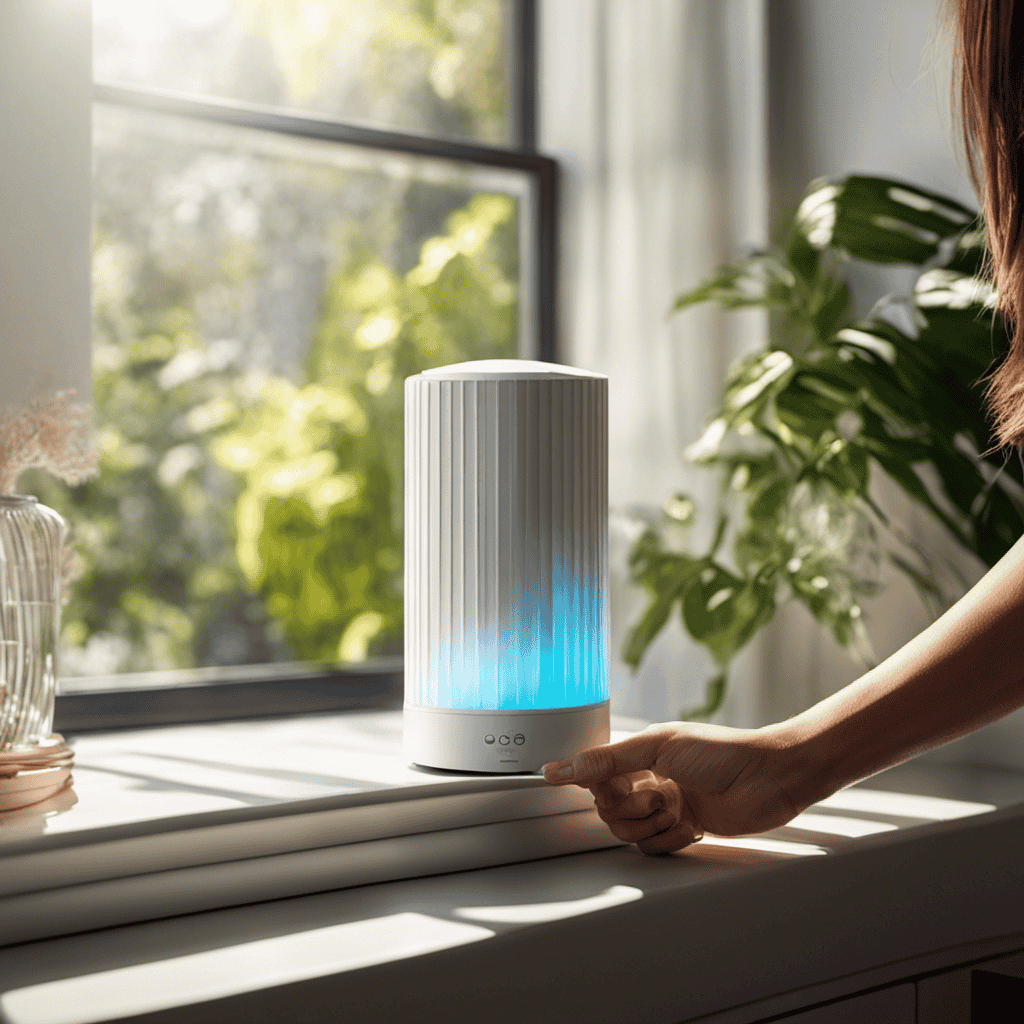
Air purifiers effectively remove harmful tobacco smoke particles and odors, improving indoor air quality and creating a healthier environment.
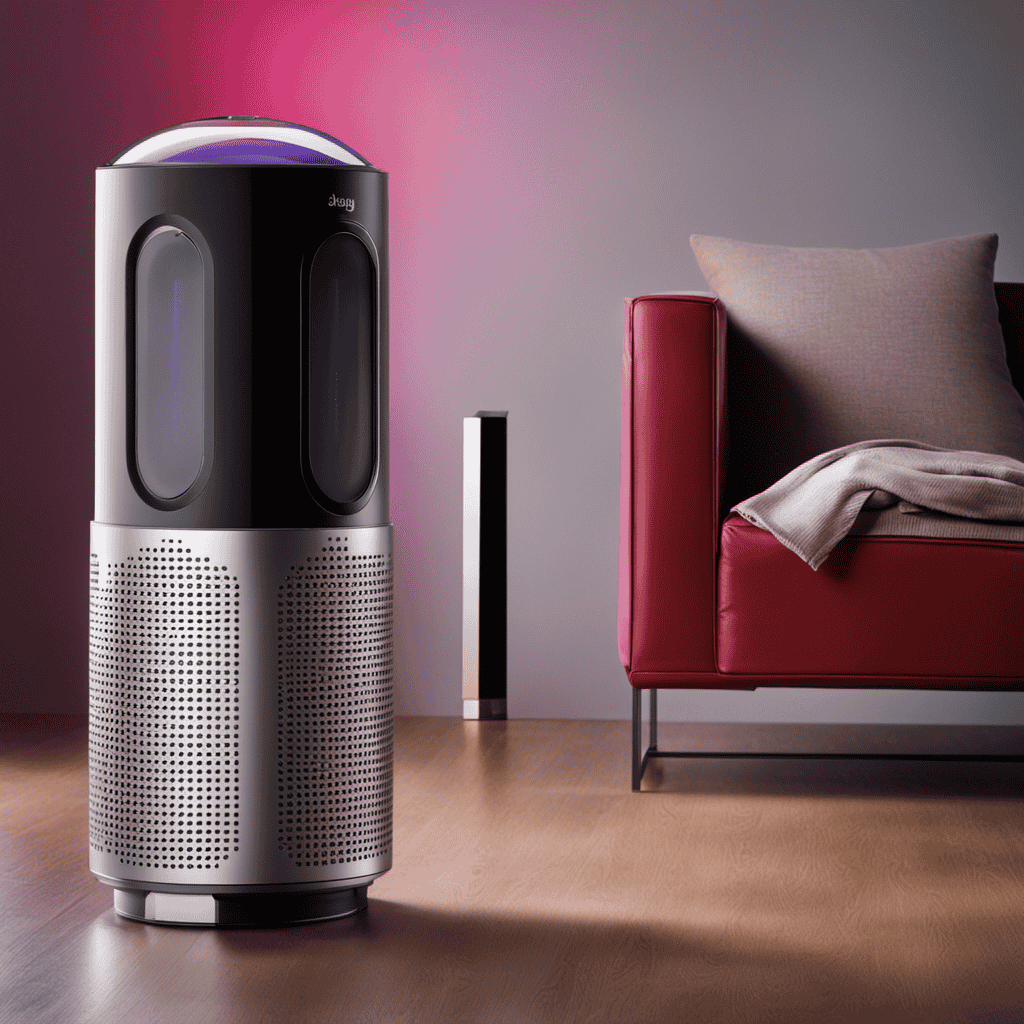
When selecting an air purifier for smoke, it’s essential to look for models equipped with HEPA filters. These filters are capable of capturing tiny particles, including secondhand smoke, which contains fine particulate matter that can penetrate deep into your lungs. HEPA filters are very effective in improving indoor air quality by removing airborne contaminants, but for smoke odor removal, you should also consider units with activated carbon filters. Activated carbon has porous properties that adsorb gases and odors, effectively neutralizing the smell of tobacco smoke rather than just masking it.
In addition to choosing the right filters, you should ensure the air purifier has an adequate coverage area for your space. A small purifier may struggle to handle the volume of smoke and odor in larger rooms, so selecting a model with sufficient capacity will help maintain cleaner air consistently. Proper placement is equally important; position the purifier near the source of smoke or in the center of the room to maximize air circulation and filtration efficiency. Regular maintenance, including timely filter replacements, is critical to keep the purifier operating at peak performance and maintain ideal indoor air quality.
Using an air purifier dedicated to smoke removal doesn’t just eliminate visible odors; it also improves your overall health by reducing airborne irritants that can cause respiratory issues, allergies, or asthma flare-ups. The combination of high-quality HEPA and activated carbon filters works synergistically to trap smoke particles and neutralize odors, providing a cleaner, fresher indoor environment. It’s also beneficial to choose a model with auto functions that adjust fan speed based on air quality readings to optimize performance and energy efficiency. Keep in mind that while air purifiers greatly enhance indoor air quality, they’re most effective when used alongside other measures like increasing ventilation and minimizing smoking inside.
Frequently Asked Questions
Do Air Purifiers Eliminate the Odor of Tobacco Smoke Completely?
Air purifiers can considerably reduce tobacco smoke odor, but they might not eliminate it completely. Their effectiveness depends on the purifier’s filtration system, especially activated carbon filters designed for smoke odor elimination. You should choose a high-quality air purifier with strong smoke filtration capabilities and make sure proper room size coverage. While they improve air quality and reduce smell, some residual odor may still persist, so regular maintenance and proper ventilation are essential.
How Long Does It Take for an Air Purifier to Clean Tobacco Smoke?
It usually takes about 30 minutes to a few hours for an air purifier to considerably reduce tobacco smoke, depending on its air exchange rate and purifier capacity. If your unit has a high air exchange rate and ample capacity, it cleans the air faster. Keep windows open, run the purifier continuously, and make sure filters are clean to speed up the process and effectively eliminate smoke odor and particles.
Can Air Purifiers Remove Nicotine Residues From Surfaces?
Surface contamination and residue removal are tough, but air purifiers alone can’t completely clear nicotine residues from surfaces. While they help reduce airborne particles, you need to wipe, wash, or scrub surfaces to effectively eliminate nicotine buildup. Think of air purifiers as partners that improve air quality, but for complete cleanup, manual cleaning is essential. Combining both methods ensures your space is fresh, clean, and free of stubborn nicotine residues.
Are HEPA Filters Effective Against Secondhand Smoke Particles?
Yes, HEPA filters are effective against secondhand smoke particles. Their high-efficiency design captures tiny smoke particles, providing excellent smoke particle filtration. You’ll notice cleaner air and less lingering odor because HEPA filters trap particles as small as 0.3 microns. For ideal results, choose an air purifier with a true HEPA filter, and make certain it has enough capacity for your space. This way, you actively improve indoor air quality against secondhand smoke.
Is Maintenance Required to Keep Air Purifiers Working Against Tobacco Smoke?
Think of your air purifier as a vigilant guardian; it needs regular upkeep to stay effective. You’ll want to perform filter replacement and filter cleaning consistently, especially when battling stubborn tobacco smoke. Neglecting maintenance lets particles slip through like a leaky sieve, reducing its power. Keeping up with these tasks guarantees your purifier remains a strong shield, continually fighting off smoke and keeping your air fresh and healthy.
Conclusion
While air purifiers can substantially reduce tobacco and secondhand smoke, they aren’t a complete solution. Some experts suggest that purifiers primarily trap particles rather than eliminate harmful chemicals, making thorough ventilation just as vital. So, combining a high-quality purifier with proper airflow can create a healthier environment. Remember, it’s not just about filtering smoke but understanding that true clean air involves multiple strategies working together for the best results.