If you’re looking for air purifiers that effectively remove viruses and bacteria, choose models with HEPA filters, as they trap tiny pathogens as small as 0.3 microns. Adding activated carbon filters helps eliminate odors and chemical pollutants for a cleaner environment. Combining these filters offers thorough protection against airborne germs and pollutants, making your space safer and healthier. To learn more about the best options and how they work, keep exploring the details.
Key Takeaways
- HEPA filters effectively capture airborne viruses and bacteria as small as 0.3 microns, reducing microbial spread indoors.
- Combining HEPA with activated carbon filters removes odors and chemical pollutants, enhancing overall air safety.
- Regular filter maintenance ensures continuous removal of pathogens and pollutants for optimal indoor health.
- Dual-filter air purifiers provide comprehensive protection against microbes, odors, and airborne VOCs.
- Using high-quality air purifiers with HEPA and carbon filters lowers the risk of airborne illnesses and improves respiratory health.

Have you ever wondered how safe the air around you really is, especially when it comes to viruses and bacteria? The truth is, the air you breathe can contain a variety of airborne pathogens that threaten your health daily. That’s where air purifiers come into play, offering a practical solution to improve indoor air quality. Not all air purifiers are created equal, but those equipped with HEPA filters and activated carbon are among the most effective in tackling viruses and bacteria.
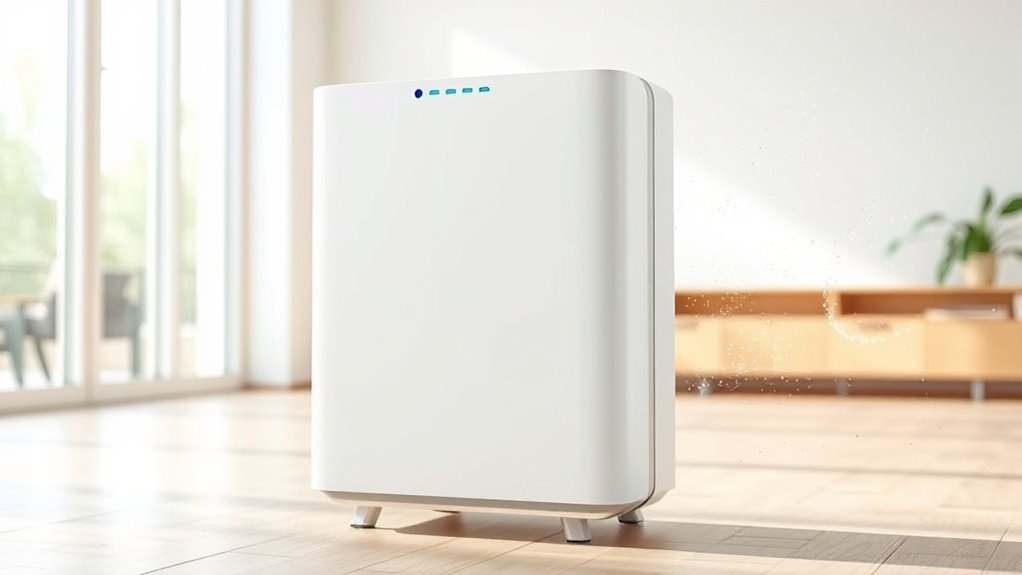
HEPA filters, or High-Efficiency Particulate Air filters, are designed to trap tiny particles, including viruses and bacteria, with remarkable efficiency. These filters can capture particles as small as 0.3 microns, which covers most airborne viruses and bacteria. When you run an air purifier with a HEPA filter, it pulls in air from your environment, forcing it through a dense web of fibers that trap harmful pathogens. This process substantially reduces the concentration of airborne germs, helping you breathe cleaner, healthier air. HEPA filters are especially valuable during cold and flu seasons or outbreaks of airborne illnesses, providing peace of mind knowing that your indoor environment is better protected.
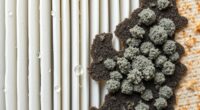
HEPA filters trap viruses and bacteria as small as 0.3 microns, ensuring cleaner, healthier indoor air.
However, viruses and bacteria are not the only concerns when it comes to indoor air quality. Odors, chemicals, and volatile organic compounds (VOCs) can also linger in your space. That’s where activated carbon filters come into play. These filters contain porous carbon that adsorbs gases and odors, removing airborne chemical pollutants that HEPA filters might miss. When combined in an air purifier, activated carbon enhances the device’s ability to clean the air holistically. For example, if you’re cooking, smoking, or dealing with pet odors, activated carbon helps eliminate those unpleasant smells and chemical pollutants, making your indoor environment more comfortable and healthier.
Using an air purifier with both HEPA and activated carbon filters means you’re addressing multiple air quality issues simultaneously. The HEPA component traps viruses, bacteria, and particulate matter, while the activated carbon component adsorbs odors and chemical vapors. This dual-action approach ensures that the air you breathe is not only free from harmful microbes but also free from unwanted smells and chemicals. It’s a practical investment in your health, especially if you or someone in your household suffers from allergies, asthma, or respiratory issues. Keep in mind that regular maintenance, such as filter replacements, is essential to keep your air purifier functioning at peak performance. With the right device, designed for your specific needs, you can enjoy peace of mind knowing you’re actively reducing the risk of airborne illnesses and creating a safer indoor space. Proper filtration technology can also improve overall health, reducing exposure to pollutants that can cause long-term health issues.
Frequently Asked Questions
Do Air Purifiers Kill All Types of Viruses and Bacteria?
Air purifiers don’t kill all virus types and bacteria strains. They effectively trap many airborne pathogens, including some viruses and bacteria, but their effectiveness varies depending on the device’s filter quality and technology. HEPA filters, for example, can capture most particles, but not all. You should understand that while purifiers reduce airborne germs, they might not eliminate every virus or bacteria strain completely.
How Often Should Filters Be Replaced for Optimal Virus Removal?
You should replace your filters based on the filter lifespan recommended by the manufacturer, typically every 6 to 12 months. Following a proper replacement schedule guarantees the air purifier functions effectively for virus removal. Keep an eye on filter condition and replace it promptly if it becomes dirty or clogged. Regular maintenance maintains maximum filtration, helping you breathe cleaner, healthier air and reducing the risk of virus and bacteria buildup.
Can Air Purifiers Eliminate Odors Caused by Bacteria?
Yes, air purifiers can eliminate odors caused by bacteria. They target bacterial odors through advanced filtration systems like activated carbon filters and UV-C light, which neutralize bacteria and absorb foul smells. You should guarantee your purifier has these features for effective odor elimination. Regular filter replacements also help maintain performance. By using the right purifier, you’ll notice fresher air and a reduction in unpleasant bacterial odors in your space.
Are There Specific Certifications to Look for in Virus-Removing Purifiers?
You should look for air purifiers with HEPA certification and virus-specific standards. HEPA filters are proven to trap particles as small as viruses, guaranteeing effective removal. Also, check if the purifier meets virus-specific standards, which indicate it’s tested against viruses for added reliability. These certifications ensure you’re investing in a device capable of markedly reducing airborne viruses, providing safer indoor air quality.
Do Air Purifiers Work Effectively in Large or Open Spaces?
Yes, air purifiers can work effectively in large spaces and open areas if you choose models with high CADR ratings and sufficient coverage. Look for units designed for bigger rooms, and consider multiple units for extensive open areas. Keep doors and windows open when possible, and regularly maintain your purifiers. This guarantees cleaner air in large spaces, reducing airborne viruses and bacteria efficiently.
Conclusion
In your quest for a healthier home, air purifiers act like vigilant guardians, tirelessly filtering out viruses and bacteria. Think of them as shields, standing strong against invisible invaders that threaten your well-being. By choosing the right purifier, you create a sanctuary where clean air flows like a gentle breeze, keeping your family safe and breathes easy. Protect your space today and let fresh, pure air fill every corner like sunlight breaking through clouds.

In the dynamic world of air purifiers and clean air advocacy, Aire stands out as a beacon of knowledge and passion. As the Editor in Chief of Aero Guardians, Aire has been instrumental in shaping the platform’s voice and direction, ensuring that every piece of content resonates with clarity, authority, and authenticity.