In underground transportation like subways and tunnels, maintaining good air quality depends on effective ventilation systems that circulate fresh air and remove pollutants. Sources such as brake dust, vehicle exhaust, construction dust, and passenger shed particles contribute to air contamination. Proper system design, regular maintenance, and added filtration are essential to keep the environment safe and healthy. If you keep exploring, you’ll discover how these measures work together to improve air conditions underground.
Open a free Amazon Business account
Business pricing, bulk buying and tax-exempt orders.
As an affiliate, we earn on qualifying purchases.
Key Takeaways
- Effective ventilation systems are crucial for diluting pollutants and maintaining air quality in underground transit environments.
- Common pollutant sources include brake dust, exhaust fumes, construction dust, and human shedding.
- Regular maintenance and filtration technologies improve air purification in subways and tunnels.
- Natural airflow is unreliable; mechanical ventilation with fans is essential for pollutant control.
- Proper management of pollutant sources and ventilation ensures safer, healthier conditions for passengers and staff.
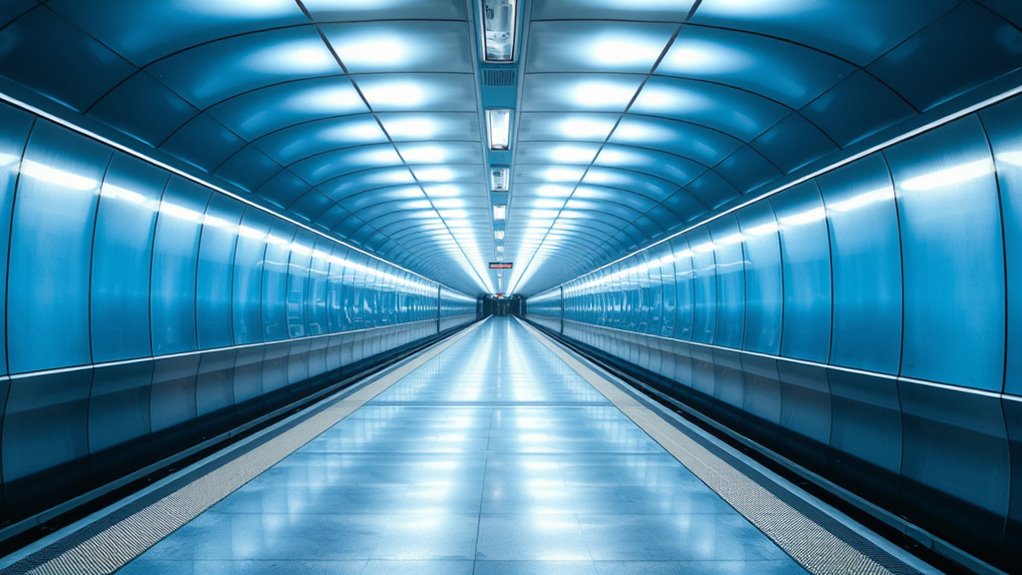
Have you ever wondered what the air inside subways and tunnels is really like? The truth is, it’s a complex environment influenced by numerous factors, and understanding it requires a look at how ventilation systems and pollutant sources interact. Subway tunnels and underground stations are tightly enclosed spaces, which means air quality can deteriorate quickly if not properly managed. Ventilation systems are the primary tools used to control this environment, but their effectiveness depends on design, maintenance, and the specific characteristics of each transit system. These systems are tasked with circulating fresh air, removing stale air, and diluting pollutants to keep conditions safe for passengers and workers alike. Without proper ventilation, pollutant levels can build up rapidly, posing health risks over time.
Air quality in subways depends on ventilation, pollutant sources, and maintenance to keep environments safe.
Pollutant sources in subways and tunnels are diverse. One of the main contributors is the wear and tear of train brakes and wheels, which release fine particulate matter into the air. These particles, often called brake dust, include metal fragments, carbon, and other materials that can be harmful when inhaled over extended periods. Additionally, exhaust fumes from diesel-powered trains or idling engines add to the pollution load. Even in electric trains, other sources such as rail grinding, maintenance activities, or nearby construction work can introduce dust and chemical contaminants. Human activity also plays a role: passengers and staff shed skin cells, bring in dirt from outside, and contribute to the overall particulate matter in the environment. Furthermore, the diverse sources of pollutants in underground transit spaces underscore the need for effective air quality management.
The challenge lies in controlling these sources while ensuring a continuous supply of fresh air. Ventilation systems must be carefully designed to address the specific pollutant sources present in each system. For example, some tunnels utilize active ventilation, which involves fans and air shafts to push fresh air in and extract contaminated air out. Others rely more on natural airflow, which can be less predictable and less effective in dense urban environments. Regular maintenance is essential to keep these systems functioning at their best, as clogged filters or malfunctioning fans can considerably reduce their efficiency. In some cases, additional measures like air purification units or filtration systems are installed to further reduce particulate levels and chemical pollutants.
Ultimately, maintaining good air quality in subways and tunnels hinges on understanding pollutant sources and deploying effective ventilation systems. When these elements work together, they help create a safer, healthier environment for the millions of commuters who rely on underground transit every day. Without proper management, the air can become hazardous, but with the right technology and vigilance, we can keep underground environments safe and breathable.
air purifier for underground transit
As an affiliate, we earn on qualifying purchases.
As an affiliate, we earn on qualifying purchases.
Frequently Asked Questions
How Does Air Quality Vary Between Different Types of Underground Transit Systems?
You’ll notice air quality varies between underground transit systems due to ventilation system differences and tunnel construction materials. Some systems have advanced ventilation that reduces pollutants, while others rely on natural airflow, leading to poorer air quality. Tunnel materials like concrete and steel influence pollutant buildup, with porous or reactive materials improving air quality. So, your experience depends on both the system’s ventilation efficiency and the construction choices made.
What Are the Long-Term Health Effects of Subway Air Pollution on Commuters?
Oh, the glamorous life of subway riders—breathing in indoor air quality that’s practically a cocktail of pollutants! Long-term, this exposure could silently chip away at your respiratory health, leading to chronic issues like asthma or bronchitis. You might think you’re just commuting, but in reality, you’re risking your lungs’ longevity. So, next time you ride, remember: your respiratory health isn’t just on pause—it’s on the line.
How Do Weather Conditions Influence Tunnel Air Quality?
Weather impact considerably influences tunnel air quality by affecting ventilation efficiency. On windy or rainy days, increased airflow can help disperse pollutants, improving air quality. Conversely, calm, humid weather may reduce ventilation effectiveness, trapping pollutants and worsening air conditions. You should be aware that seasonal changes and temperature fluctuations also play a role, making it essential for tunnel systems to adapt their ventilation strategies to maintain safe air quality levels.
Are There Emerging Technologies to Improve Underground Air Ventilation?
You’ll find that innovative filtration systems and smart ventilation are transforming underground air quality. For example, some cities now use smart ventilation controls that automatically adjust airflow based on real-time air quality data, reducing pollutants effectively. These emerging technologies optimize air circulation, minimize energy use, and improve passenger health. By integrating advanced sensors and filtration, you’ll experience cleaner, safer underground environments, making your commute more comfortable and healthier.
How Do Maintenance Schedules Impact Air Quality in Tunnels and Stations?
Maintenance schedules directly impact air quality in tunnels and stations. When you prioritize ventilation system maintenance and stick to scheduled cleaning routines, you guarantee that air circulation stays effective and contaminants are reduced. Regular upkeep prevents the buildup of pollutants, improves airflow, and maintains healthier conditions for passengers and staff. Skipping or delaying maintenance can lead to poor air quality, making it essential for you to follow these schedules diligently.
Conclusion
Imagine stepping into a subway tunnel and feeling like you’re inhaling a concealed tempest. Just like a tempest stirs the air outside, tunnels can trap pollutants, impacting your health. Studies show subway air can contain levels of particulate matter that exceed outdoor safety standards. Staying aware and advocating for better ventilation helps guarantee your daily commute remains safe. After all, your journey shouldn’t be a gasp of fresh air — it should be a gasp of health.
NFL season / tailgating Picks
team gear
As an affiliate, we earn on qualifying purchases.