To investigate apartment odors, start by observing if the smell varies with certain times or activities, like cooking or laundry. Inspect your immediate environment for mold, garbage, or damp spots, then improve ventilation by opening windows or using fans. Talk to neighbors about similar issues and check shared systems like ventilation or plumbing leaks. If you follow these steps, you’ll be better equipped to identify and address the source—more details can guide your next move.
Key Takeaways
- Observe odor timing and patterns to identify potential sources related to specific activities or times of day.
- Inspect immediate environments like trash, mold, and moisture-prone areas for obvious odor sources.
- Communicate with neighbors and building management to determine if odors are building-wide or localized.
- Improve ventilation temporarily by opening windows or using fans to reduce odor concentration during investigation.
- Document findings and report to property staff for professional assessment and targeted remediation.
Dealing with odor complaints in apartments can be frustrating, especially when unpleasant smells disrupt your daily life. You want to find the source quickly to improve air quality and restore comfort, but pinpointing where the smell originates isn’t always straightforward. The first step is understanding that effective source detection is key to resolving the issue. You need to systematically evaluate your environment to identify potential sources of the odor, whether it’s within your unit or coming from neighboring apartments.
Start by paying close attention to the timing and nature of the smell. Does it intensify at certain times of day, or when specific appliances are in use? Noticing these patterns can help you narrow down the source. For example, if the odor worsens after cooking, it might be linked to your kitchen or ventilation system. If it’s more persistent throughout the day, it could originate from a plumbing issue, a trash area, or even shared HVAC systems. By observing when and where the smell is strongest, you improve your chances of effective source detection.
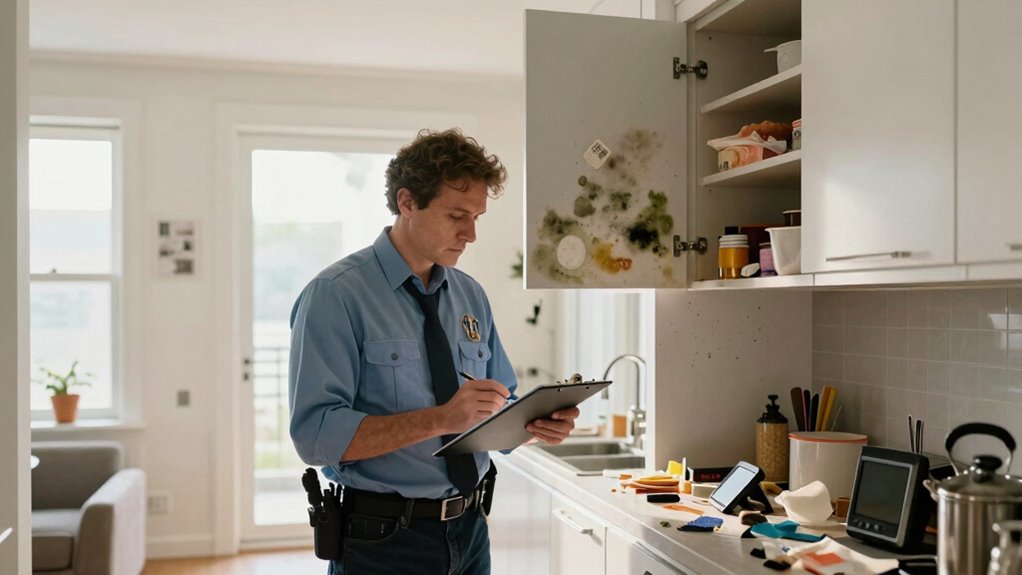
Next, check your immediate environment thoroughly. Inspect trash bins, recycling areas, and any areas where moisture might accumulate, like bathrooms or under sinks. Mold or mildew can produce strong, persistent odors that can *considerably* impair air quality. If you notice any signs of mold or a damp smell, addressing these issues promptly is *vital* for both health and odor control. Also, consider whether recent activities, like painting or cleaning with strong chemicals, could be contributing to the smell. Eliminating or ventilating these sources can often improve air quality quickly.
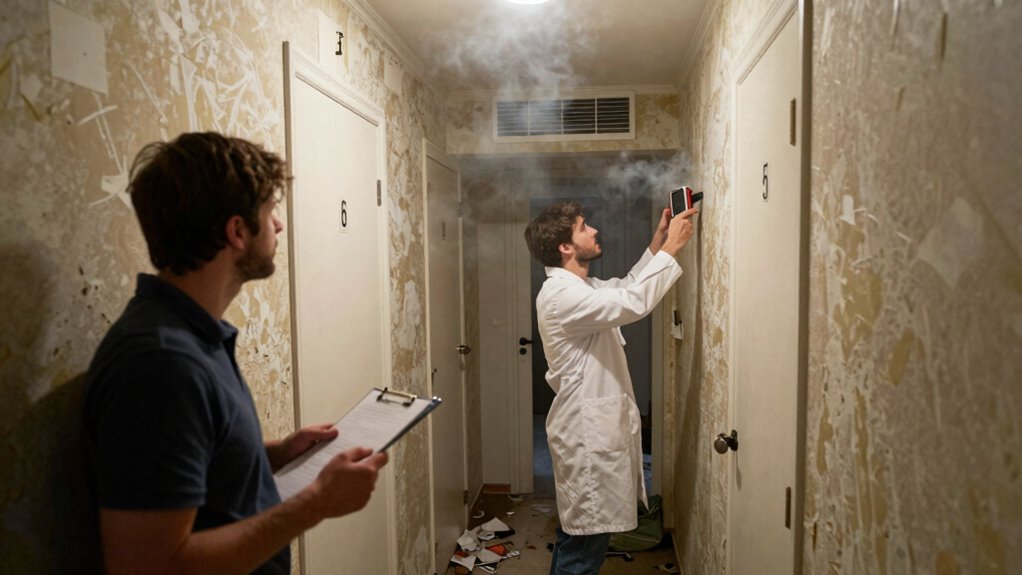
If your initial inspection doesn’t reveal an obvious culprit, expand your focus to the building’s shared systems. Sometimes, odors originate from centralized ventilation, plumbing leaks, or neighboring units. Talk to your neighbors to see if they’re experiencing similar issues, which can indicate a building-wide problem. Contact your property manager or maintenance team to report your findings and request an inspection. They can use specialized tools like odor detectors or air quality monitors to pinpoint the source with greater precision. Additionally, understanding sauna heaters and cooling systems may be helpful if odors are linked to mechanical equipment or ventilation components.
Throughout this process, *guarantee* proper ventilation by opening windows or using fans to improve air quality temporarily. This helps reduce the concentration of unpleasant smells while you work on identifying and eliminating the cause. Remember, systematic source detection is a *vital* step in resolving odor complaints effectively. By carefully observing, inspecting, and communicating with building staff and neighbors, you’re more likely to find the source quickly, restore air quality, and enjoy a more comfortable living environment.
Frequently Asked Questions
Can Odor Problems Be Caused by Neighboring Apartments?
Yes, odor problems can definitely be caused by neighboring apartments. Neighbor disputes often lead to unresolved issues, making odor source detection tricky. You should communicate with your neighbors and document the problem. If needed, involve building management or maintenance to investigate further. By working together and staying proactive, you increase the chances of identifying the odor source and resolving the issue quickly.
How Long Does a Typical Odor Investigation Take?
Typically, an odor investigation takes about one to three days, depending on the situation. You’ll notice that experts start with odor detection, identifying the source quickly if possible. The investigation timeline varies because it involves testing, inspections, and sometimes monitoring over time. Rest assured, quick action helps resolve the issue faster, but thoroughness is key to pinpointing the exact cause and preventing future complaints.
Are There Legal Remedies for Persistent Apartment Odors?
Yes, there are legal remedies available if persistent apartment odors violate your tenant rights. You can file a complaint with your local housing authority or pursue legal action for breach of habitability standards. Document the odors and communication with your landlord to strengthen your case. Consulting an attorney or tenant rights organization can help you understand your options and safeguard your rights against ongoing odor issues.
What Are the Health Risks Associated With Certain Odors?
Certain odors can harm your health by affecting air quality and revealing hidden odor sources. Breathing in strong or persistent smells may cause headaches, dizziness, or respiratory issues, especially if the odors contain mold, chemicals, or allergens. Long-term exposure can increase risks of asthma or other respiratory conditions. It’s essential to identify and address these odor sources promptly to protect your health and improve your living environment.
How Can Tenants Prevent Future Odor Issues?
You can stay ahead of odor issues by taking proactive steps. Improve ventilation by opening windows regularly or installing exhaust fans, and use odor neutralizing products to keep your space fresh. Keep your apartment clean, dispose of trash promptly, and address spills immediately. Remember, a little prevention goes a long way—don’t wait until it’s too late. These habits will help you maintain a pleasant living environment and avoid future odor problems.
Conclusion
When facing apartment odor complaints, remember that troubleshooting is key. By following a systematic investigation, you can uncover the source and address it effectively. Don’t throw in the towel too soon—sometimes, persistence pays off. With patience and a keen eye, you’ll get to the bottom of the smell and restore comfort to your space. After all, where there’s a will, there’s a way to clear the air and make your home smell fresh again.